
A University of Denver professor has developed a miniature spectrometer that could revolutionize cancer detection by making it more accessible and affordable.
Dali Sun, an associate professor of engineering and computer science at the University of Denver, is on a mission to conquer cancer using engineering principles. Sun, drawing upon his engineering expertise, has developed a groundbreaking miniature elliptical dichroism spectrometer. This innovative device harnesses the power of light to analyze the structure and quantity of molecules within cell samples.
By detecting alterations in protein folding patterns, specifically an increase in beta sheet structures, the spectrometer can identify the presence of tumor cells. Sun explains, 'In our lab, we found that a tumor cancer cell has more beta sheet, which is a folding structure of the proteins. So if the sample shows more folding structure in the spectrometer, that means this patient may have cancer.'Traditional spectrometers, however, are often plagued by limitations such as their bulky size, exorbitant costs, and intricate operation. These factors hinder their widespread adoption in clinical settings. Sun's invention addresses these challenges head-on. This compact device, roughly the size of a tissue box, is priced around $1,000, making molecular analysis more accessible and applicable in various settings, including clinical, research, and educational institutions. Sun envisions a future where this technology is readily available in labs of all sizes, from remote rural high schools to cutting-edge research facilities. The potential applications of this spectrometer extend far beyond cancer detection. Sun's research has demonstrated its ability to identify DNA structure changes associated with heart disease and Down syndrome. This versatility underscores the groundbreaking nature of his work and its significant implications for the field of medical diagnostics
CANCER DETECTION ENGINEERING SPECTROMETER MEDICAL DIAGNOSTICS TECHNOLOGY
United States Latest News, United States Headlines
Similar News:You can also read news stories similar to this one that we have collected from other news sources.
 Cancer Report: Deaths Down, But Alarming Rise in Women and Young Adults DiagnosedThe American Cancer Society's latest report presents a mixed outlook on cancer trends. While overall cancer deaths have decreased significantly, driven by earlier detection and improved treatments, the report reveals a concerning increase in cancer diagnoses among women and young adults. The report also highlights persistent racial disparities in cancer deaths and stresses the need for more effective strategies to combat pancreatic cancer, which remains a leading cause of cancer-related deaths.
Read more »
 Cervical Cancer: Prevention and Early DetectionThis article delves into the prevention and early detection of cervical cancer, highlighting its near-totality preventability, the role of HPV, screening methods like Pap smears, and lifestyle choices that can reduce risk.
Read more »
 Trump's AI deal fueling early cancer detection: Oracle's Larry EllisonOracle founder Larry Ellison said the Stargate project, a joint venture with OpenAI and Softbank, will help to fuel the development of a cancer vaccine.
Read more »
 Blood Test Shows Promise for Early Colorectal Cancer DetectionA new blood test for early colorectal cancer (CRC) detection in average-risk adults showed promising results in a large clinical trial. The test met primary endpoints for sensitivity and specificity, offering a potentially convenient and effective screening option. While sensitivity for advanced precancerous lesions was lower than expected, researchers are optimistic about future optimization and broader clinical applications.
Read more »
 Leeds Hospital Pioneering 'Revolutionizing' New Cancer TreatmentA new MRI-only radiotherapy approach at Leeds Cancer Centre could significantly improve patient care by offering more precise targeting and fewer appointments. The technique, currently used for prostate cancer, is set to expand to treat brain, head and neck, and liver cancers, potentially making Leeds Cancer Centre the first in the world to apply it across such a wide range of malignancies.
Read more »
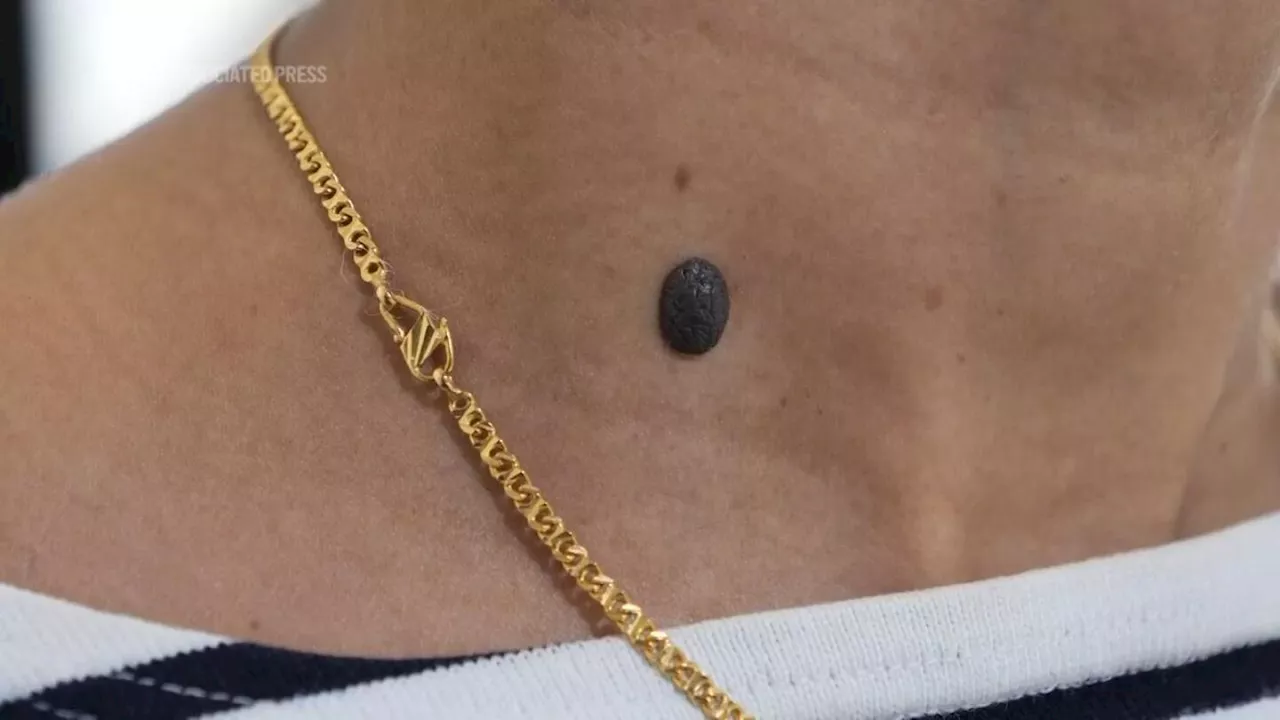 AI skin cancer detection app claims 99.8 per cent accuracy rate in ruling out cancerBritish tech company Skin Analytics has received regulatory approval for an AI skin cancer detection system that uses a smartphone.
Read more »