
A call for exploring alternatives to FEMA in providing emergency relief, emphasizing the need for fiscal responsibility and efficient allocation of resources. The article discusses potential solutions like utilizing the National Guard and the military, shifting responsibilities to states, and restructuring federal aid as long-term loans.
The American people emphasized fiscal responsibility as a key element of their priorities during the last election. The U.S. government operates an extensive network of agencies and departments, making it challenging to even determine the exact number. Billions of dollars in spending have become commonplace across all areas of government, a level of expenditure that seems as distant to the average citizen as a trip to the moon.
This excessive spending raises concerns, particularly regarding FEMA's role in emergency relief. While the need for such relief is undeniable, questions arise about who should provide it most effectively and who should bear the financial burden. Exploring alternatives like the National Guard and the military could offer viable solutions. Governors already possess the authority to activate the National Guard, and the President could establish preparedness programs within the military to enhance its capacity for emergency support. The U.S. maintains approximately 450 military bases and installations within its borders, providing substantial resources that could be strategically employed during crises. FEMA's spending is considerable, and shifting responsibilities to individual states could lead to more efficient allocation of funds. States are better positioned to evaluate their unique needs. In situations requiring additional assistance, governors could activate the National Guard and collaborate with the military. Federal financial aid could still be available, structured as long-term loans to states with interest rates at least equivalent to the costs incurred by the national debt. Some critics argue that FEMA's management structure hinders effective collaboration with state and local officials, delaying the delivery of critical resources to those in need. They point to bureaucratic red tape as a major obstacle to rapid resource deployment during emergencies. The question of who should foot the bill for disaster relief across the nation also arises. Should taxpayers in Kansas, Montana, or any other state be obligated to cover the costs of flood damages in Texas, hurricane recovery in Georgia, or wildfires in California? The Constitution emphasizes that federal taxes should be used for initiatives that benefit all Americans, not specific regions. This ongoing debate regarding FEMA's future and the broader role of federal spending is essential as the nation grapples with issues of efficiency, accountability, and fiscal responsibility
FEMA Fiscal Responsibility Emergency Relief National Guard Military State Responsibility Federal Spending Disaster Relief
United States Latest News, United States Headlines
Similar News:You can also read news stories similar to this one that we have collected from other news sources.
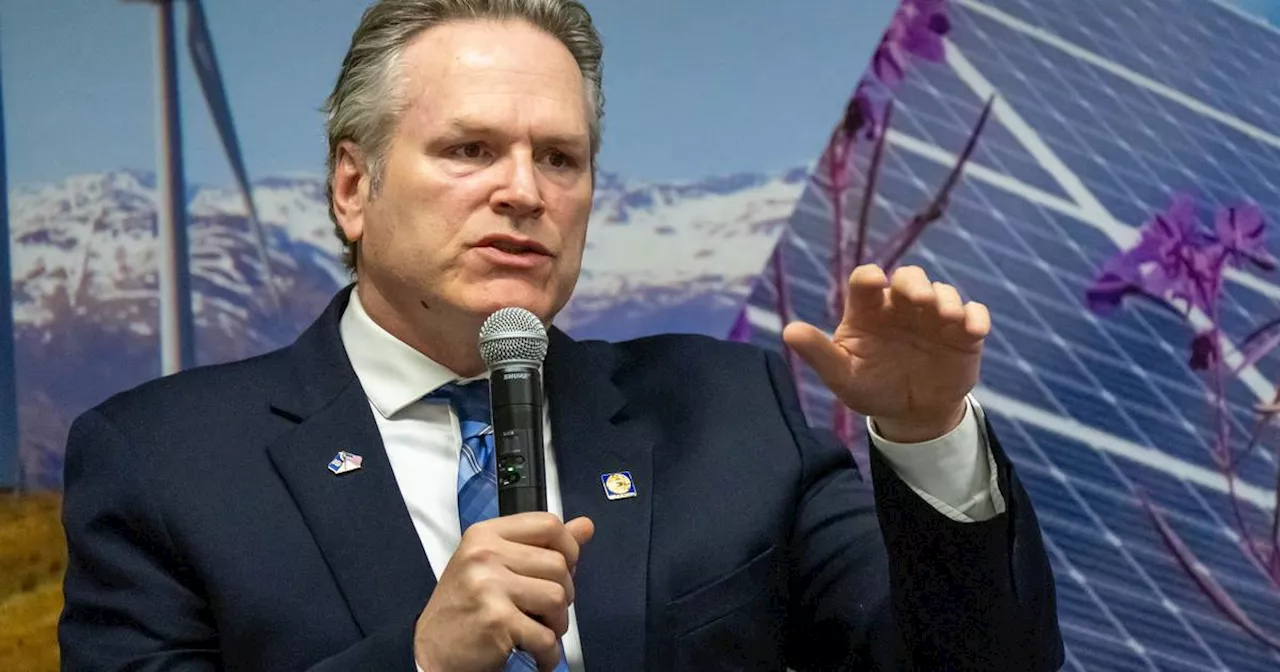 Dunleavy's Budget Proposal: PFD Focus Over Fiscal ResponsibilityGovernor Mike Dunleavy's proposed budget prioritizes a large Permanent Fund dividend, despite acknowledging the state's inability to afford it without depleting its reserves. The plan lacks concrete solutions beyond hoping for increased oil revenues in the future, leaving a $1.5 billion deficit. Critics argue that Dunleavy's focus on the PFD ignores the state's pressing fiscal needs, particularly funding for local school districts.
Read more »
 GOP Reconciliation Bill: Focus on Border Security, Energy, and Fiscal ResponsibilityMike Slater and Republican Representative Tiffany discuss the GOP reconciliation bill, highlighting its emphasis on securing the border, boosting American energy development, and achieving fiscal responsibility through spending cuts.
Read more »
 Will fiscal responsibility now become the cornerstone of economic policy?We have seen the limitations of wishful thinking that debt doesn’t matter.
Read more »
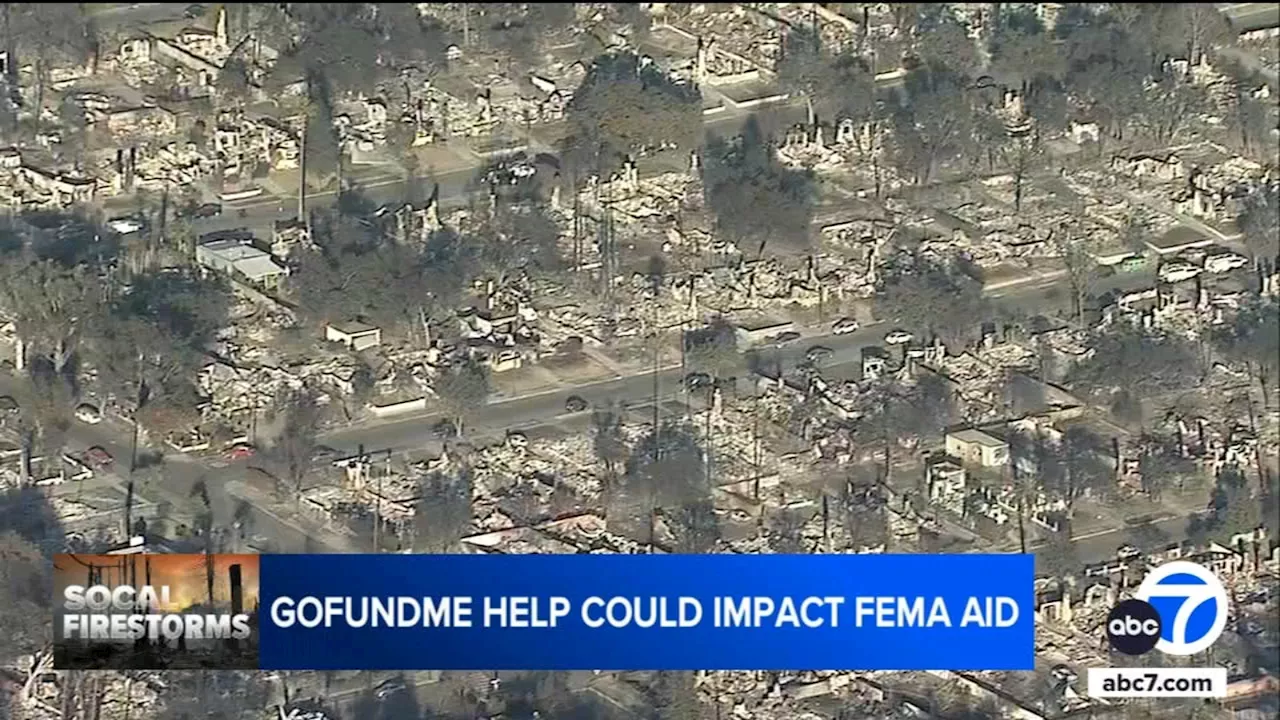 GoFundMe Donations May Impact FEMA Assistance for Wildfire VictimsVictims of the Los Angeles County wildfire are turning to GoFundMe for quick financial aid, but it's crucial to understand how this can potentially affect their eligibility for FEMA assistance. FEMA spokesperson Nicole Wilson explained that while GoFundMe can provide immediate support, disclosing specific needs on the fundraising page could impact FEMA's ability to cover those same expenses. FEMA can only provide funds for items not already covered by other sources, such as insurance or crowdsourced donations.
Read more »
 Trump's Second Term: A Balancing Act Between Economic Growth and Fiscal ResponsibilityPresident Trump kicks off his second term with a focus on economic growth, lower taxes, and trade deals. His ambitious agenda faces significant budgetary challenges and requires Congressional support.
Read more »
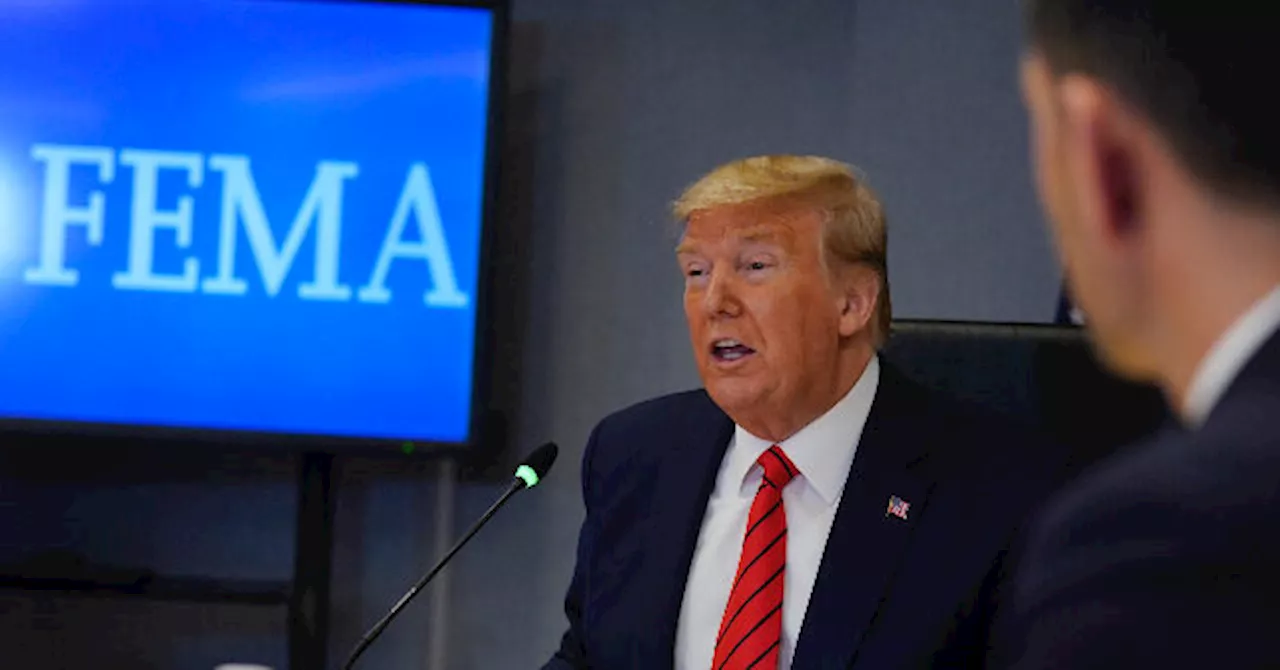 Rethinking FEMA: A Call for Fiscal Responsibility and EfficiencyThe article proposes re-evaluating FEMA's role in disaster relief, exploring alternatives like the National Guard and military to potentially improve efficiency and cost-effectiveness. It argues that states, with their closer understanding of local needs, could be better positioned to handle emergency situations, with federal aid provided as long-term loans. The piece also raises questions about the fairness of distributing federal funds across different states based on disaster needs.
Read more »