
A team of researchers at the University of the Basque Country has created a hybrid supercapacitor utilizing carbon derived from Pinus radiata wood waste. This innovative technology offers a sustainable and cost-effective solution for energy storage.
Researchers at the University of the Basque Country (UPV/EHU) have developed a groundbreaking hybrid supercapacitor utilizing carbon derived from Pinus radiata wood waste. This innovative lithium-ion capacitor features electrodes crafted from discarded wood particles, presenting a sustainable and cost-effective solution for energy storage .
Leveraging the abundance of biomass resources in the Basque Country, Spain, the research team employed environmentally friendly and inexpensive processes to create high-performance electrodes. Their findings underscore the immense potential of biomass-based materials in the development of efficient and eco-friendly energy storage systems. According to the researchers, this breakthrough could pave the way for greener alternatives in high-power energy storage, reducing reliance on conventional materials and bolstering sustainability within the sector.Modern society's ever-increasing energy demands necessitate the exploration of sustainable storage options that do not contribute to global warming. While lithium-ion batteries (LIBs) and supercapacitors (SCs) dominate the energy storage landscape, each presents its own set of limitations: SCs excel in power output but suffer from rapid self-discharge, while LIBs boast high energy capacity but degrade over time. The innovative lithium-ion capacitor (LIC) combines the strengths of both technologies, offering high energy, power, and extended cycle life, making it ideal for applications such as electric vehicles and wind turbines.The choice of electrode material significantly influences LIC performance. Despite its widespread use, graphite, a key raw material, is both expensive and environmentally taxing. Although alternatives like hard carbons, soft carbons, and nanocarbons hold promise, their high cost and complexity hinder their widespread adoption. The UPV/EHU team has addressed this challenge by developing a cost-effective LIC using carbon derived from Pinus radiata waste, a readily available and sustainable resource in Biscay, Spain. They successfully produced high-performance electrodes using carbon sourced from biomass instead of costly chemicals or energy-intensive processes. 'We develop new materials that can be used to store energy. In this case, to create electrodes we prepared carbon from the wood particles of the insignis pines that are all around us and are used in carpentry workshops,' stated Idoia Ruiz de Larramendi, a lecturer at UPV/EHU and member of the research group. The research team's innovative approach created a hybrid lithium-ion device that seamlessly blends the advantages of both supercapacitors and batteries. It retains the robustness and rapid charge-discharge characteristics of a supercapacitor while simultaneously storing high-power energy like a battery. The device's overall performance is significantly enhanced by combining electrodes of both battery and supercapacitor types.Various forms of carbon, carefully selected from biomass sources, were employed to fabricate the electrodes. Not all biomass yields suitable carbon for energy storage applications, but the results demonstrated the effectiveness of carbon derived from insignis pine. Researchers discovered that one electrode consisted of hard carbon, while the other was composed of activated carbon.Sustainability and cost-effectiveness were paramount during the production process, which utilized cost-effective additives and maintained synthesis temperatures below 700°C. In this novel configuration, the positive electrode, also composed of the same carbon, boasts a large surface area, while the negative electrode efficiently stores a substantial amount of energy without the need for expensive chemicals. The system delivers 105 Wh/kg at 700 W/kg and retains 60 percent capacity after 10,000 charge cycles.This study strongly suggests the potential of local biomass as a cost-effective and eco-friendly alternative for lithium-ion capacitors. The team emphasizes that biomass-derived materials offer promising avenues for high-power energy storage, underscoring the crucial need for continued research to refine energy storage technologies with sustainable solutions. The detailed findings of the team's research were published in the Journal of Power Sources.
Supercapacitor Biomass Energy Storage Sustainability Renewable Energy
United States Latest News, United States Headlines
Similar News:You can also read news stories similar to this one that we have collected from other news sources.
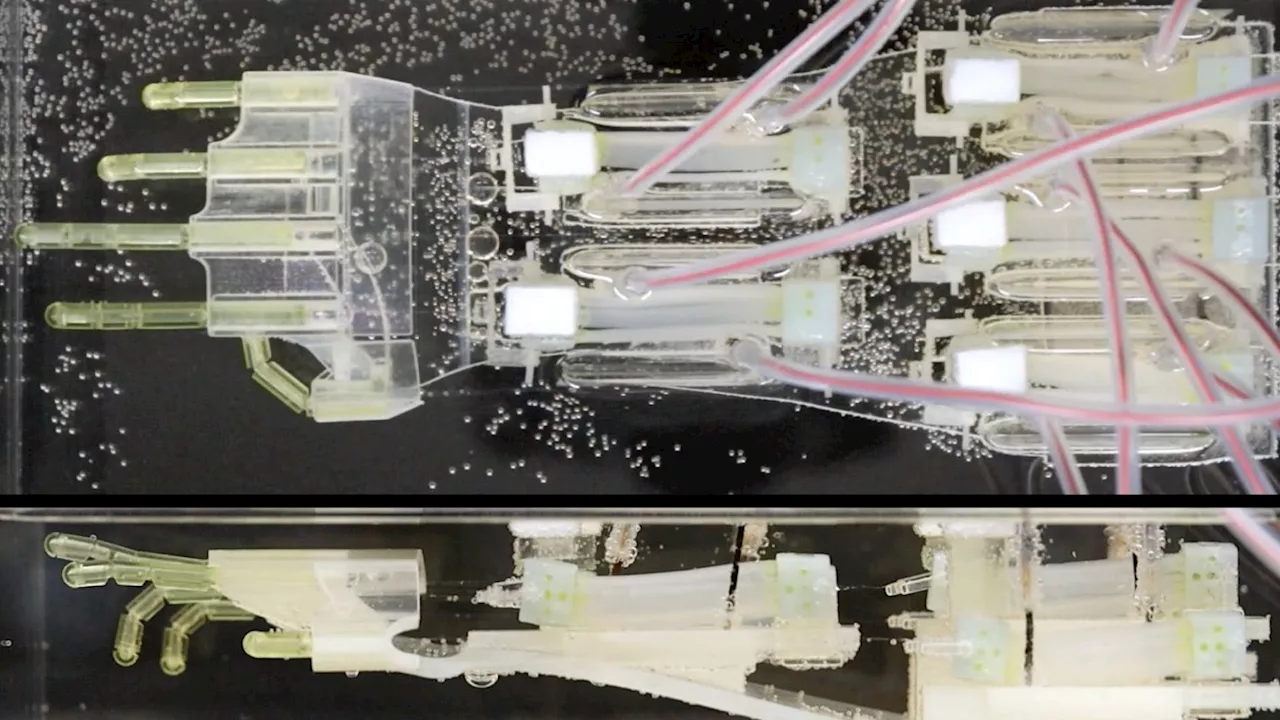 Japanese Researchers Develop Hand Powered by Lab-Grown Muscle TissueA collaborative effort between the University of Tokyo and Waseda University has resulted in a breakthrough in biohybrid robotics. Researchers have created a hand powered by lab-grown muscle tissue, marking a significant advance in the field.
Read more »
 MIT Researchers Develop Long-Lasting Robotic Insect Swarms for PollinationResearchers at MIT have made significant strides in developing robotic insect swarms capable of artificial pollination. These lightweight robots can remain airborne for extended periods, maneuver with precision, and operate autonomously in various environments.
Read more »
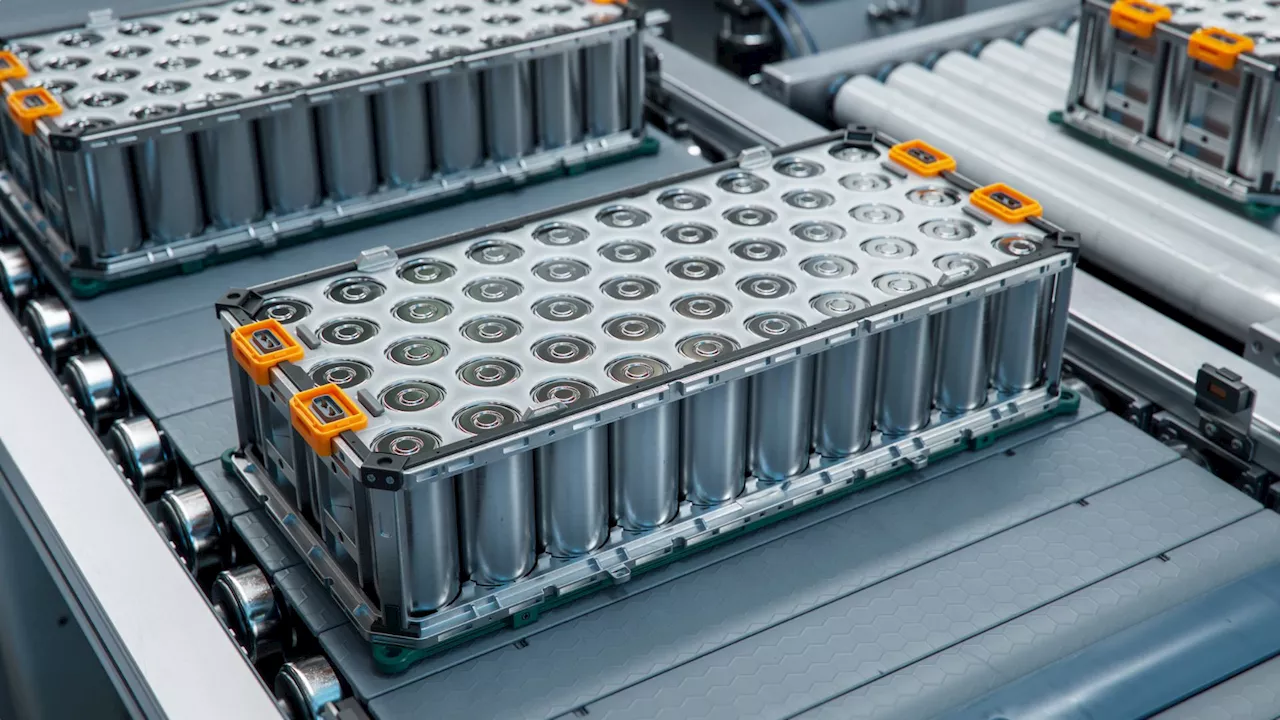 Texas A&M Researchers Develop Sustainable Graphite Production MethodA groundbreaking research project led by Texas A&M University and the U.S. Department of Energy's ARPA-E aims to revolutionize the production of synthetic graphite from petroleum coke. This innovative approach utilizes catalysts to significantly reduce processing time and temperature, leading to more efficient and environmentally friendly graphite production. The development has the potential to strengthen domestic supply chains, reduce reliance on foreign graphite sources, and contribute to a more sustainable energy future.
Read more »
 USTC Researchers Develop Revolutionary Li-H Battery with Unprecedented Energy DensityA team of researchers at the University of Science and Technology of China (USTC) has made a significant breakthrough in battery technology with the development of a new type of chemical battery system that utilizes hydrogen gas as the anode. This innovative Li-H battery boasts a theoretical energy density of 2825 Wh/kg and an operational voltage of around three volts, surpassing the limitations of conventional hydrogen-based batteries. The Li-H battery also exhibits exceptional round-trip efficiency (99.7%) and long-term stability, making it a promising candidate for a wide range of applications, including renewable energy storage, electric vehicles, and next-generation aviation.
Read more »
 UCLA Researchers Develop Stable Tethered Jumping Robot for Space ExplorationUCLA's RoMeLa lab presents SPLITTER, a unique tethered jumping robot designed for efficient and stable locomotion in airless environments. This innovative system utilizes inertial morphing and MPC control to navigate challenging terrains, offering potential for future space exploration missions.
Read more »
 Chinese Researchers Develop 'Precision Therapy' to Restore Old Lithium-ion BatteriesChinese researchers have developed a new method to restore old lithium-ion batteries to near-factory-fresh condition. The technology, developed by a team at Fudan University, uses a lithium carrier molecule injected into aging batteries to replenish lost lithium ions, extending battery life beyond 12,000 discharge cycles. This breakthrough could revolutionize battery lifespan in various sectors, including electric vehicles, smartphones, and energy storage facilities.
Read more »