
Did you know the USGS also helps to explore the solar system? USGS scientists research other planetary bodies, and work with NASA to support planetary exploration throughout the solar system. Learn more about planetary science at the USGS below!
Learn what it's like to work on a Mars rover missionDid you know the USGS also helps to explore the solar system? USGS scientists research other planetary bodies, and work with NASA to support planetary exploration throughout the solar system.
Learn more about planetary science at the USGS below!Planetary science is the study of planetary bodies beyond Earth. This includes planets, moons, comets, and asteroids. For over 60 years, planetary scientists at the USGS have worked with NASA to plan and complete missions, and use the data from those missions to better understand our solar system. USGS scientists work across many fields in planetary science - like studying how geologic processes work across the solar system, participating in rover missions, training astronauts to return to the Moon, making geologic maps of other planetary bodies, laboratory investigations of minerals and rocks, using computer modeling to simulate planetary processes, and processing mission data so other scientists can use it in their work.
United States Latest News, United States Headlines
Similar News:You can also read news stories similar to this one that we have collected from other news sources.
![Just a fraction of the hydrogen hidden beneath Earth's surface could power Earth for 200 years, scientists find [clone]](https://i.headtopics.com/images/2025/1/1/spacedotcom/just-a-fraction-of-the-hydrogen-hidden-beneath-ear-just-a-fraction-of-the-hydrogen-hidden-beneath-ear-7CDD657C2F639E3426BD71F561A07ED0.webp?w=640) Just a fraction of the hydrogen hidden beneath Earth's surface could power Earth for 200 years, scientists find [clone]Skyler Ware is a freelance science journalist covering chemistry, biology, paleontology and Earth science. She was a 2023 AAAS Mass Media Science & Engineering Fellow at Science News. Her work has also appeared in Science News Explores, ZME Science and Chembites, among others. Skyler has a Ph.D. in chemistry from Caltech.
Just a fraction of the hydrogen hidden beneath Earth's surface could power Earth for 200 years, scientists find [clone]Skyler Ware is a freelance science journalist covering chemistry, biology, paleontology and Earth science. She was a 2023 AAAS Mass Media Science & Engineering Fellow at Science News. Her work has also appeared in Science News Explores, ZME Science and Chembites, among others. Skyler has a Ph.D. in chemistry from Caltech.
Read more »
 What's the best way to kill norovirus, the 'stomach bug'?Skyler Ware is a freelance science journalist covering chemistry, biology, paleontology and Earth science. She was a 2023 AAAS Mass Media Science and Engineering Fellow at Science News. Her work has also appeared in Science News Explores, ZME Science and Chembites, among others. Skyler has a Ph.D. in chemistry from Caltech.
Read more »
 Southern University of Science and Technology Invites International Scholars for Prestigious Science Fund ProgramSouthern University of Science and Technology (SUSTech) invites outstanding international scholars to apply for the National Science Fund Program for Outstanding Young Scholars (Overseas). This program aims to attract exceptional young researchers from around the world to contribute to scientific and technological advancement in China. SUSTech has a strong track record of success in securing funding for this program. The application requires a minimum of 36 months of continuous teaching or research experience at overseas institutions after obtaining a doctoral degree, a history of recognized research achievements, and no previous full-time work experience in China. Selected scholars will receive a competitive compensation package, comprehensive benefits, research funding, and access to a dynamic research environment at SUSTech.
Read more »
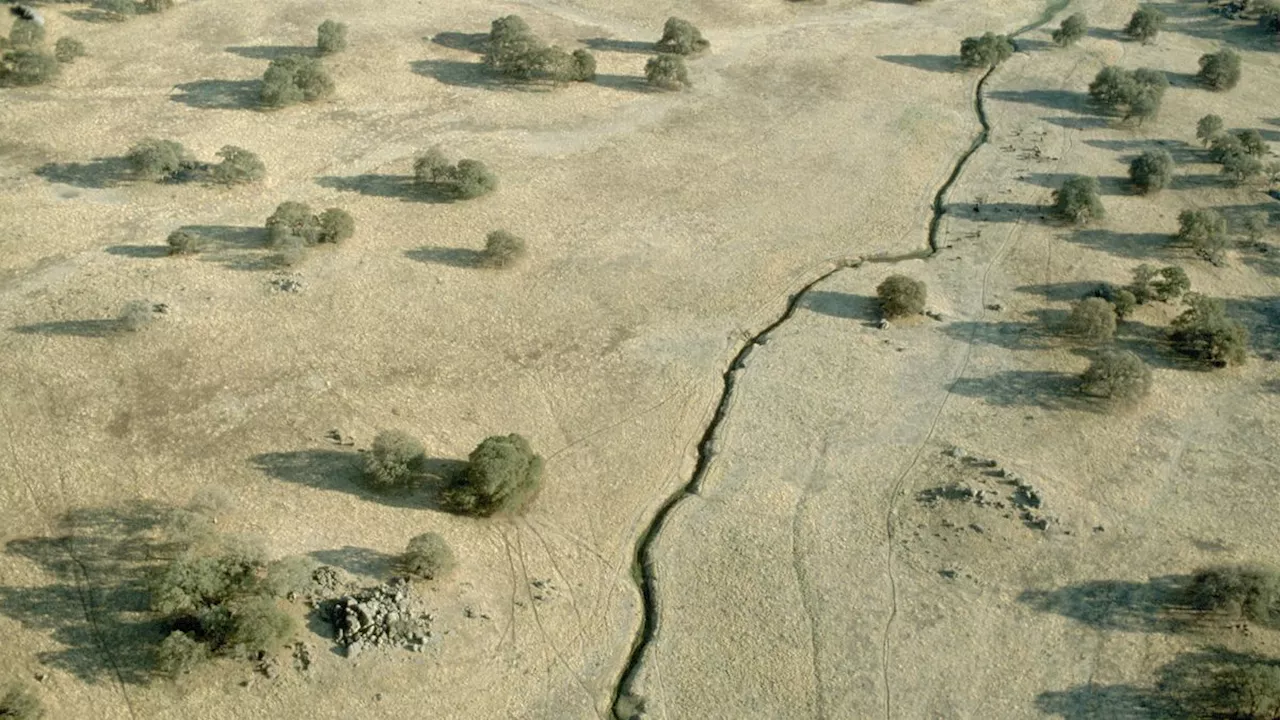 Is Earth the only planet in the solar system with plate tectonics?Skyler Ware is a freelance science journalist covering chemistry, biology, paleontology and Earth science. She was a 2023 AAAS Mass Media Science and Engineering Fellow at Science News. Her work has also appeared in Science News Explores, ZME Science and Chembites, among others. Skyler has a Ph.D. in chemistry from Caltech.
Read more »
 Live Science daily newsletter: Get amazing science every dayRead about the latest news, incredible discoveries and mind-bending advances in science by signing up for our daily email newsletter.
Read more »
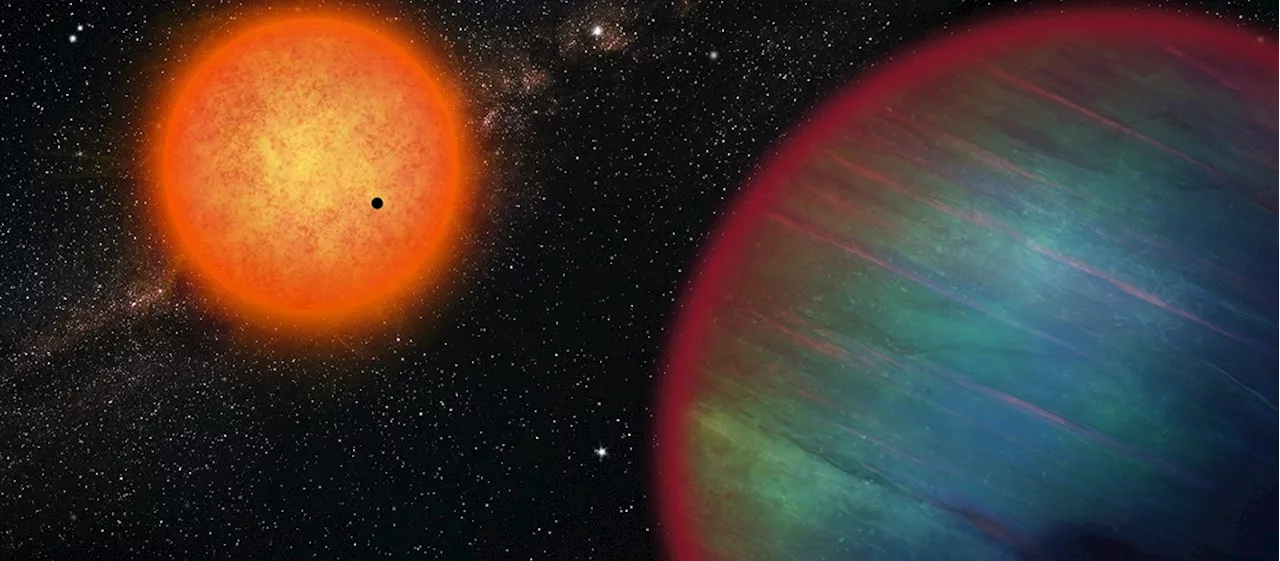 Challenging Planetary Migration Models: Discovery of a Hot Jupiter in a Multi-Planetary SystemAstronomers have discovered a new planetary system that challenges existing models of planetary migration. The system, known as WASP-132, contains a hot Jupiter, a super-Earth, and a giant ice planet. This discovery suggests that hot Jupiters may migrate in a more gradual and less violent manner than previously thought.
Read more »