
The molecules that make up the matter around us are in constant motion. What if we could harness that energy and put it to use?
Physics collaboration pushes an information engine to its limits retrieved 6 June 2024 from https://phys.org/news/2024-06-physics-collaboration-limits.html This document is subject to copyright. Apart from any fair dealing for the purpose of private study or research, no part may be reproduced without the written permission.
The content is provided for information purposes only.A fierce battle is being fought in the soil beneath our feet—and the implications for global warming could be hugeUse this form if you have come across a typo, inaccuracy or would like to send an edit request for the content on this page. For general inquiries, please use ourThank you for taking time to provide your feedback to the editors. Your feedback is important to us. However, we do not guarantee individual replies due to the high volume of messages.to let the recipient know who sent the email. Neither your address nor the recipient's address will be used for any other purpose. The information you enter will appear in your e-mail message and is not retained by Phys.org in any form.Get weekly and/or daily updates delivered to your inbox. You can unsubscribe at any time and we'll never share your details to third parties.
Physics News Science News Technology News Physics Materials Nanotech Technology Science
United States Latest News, United States Headlines
Similar News:You can also read news stories similar to this one that we have collected from other news sources.
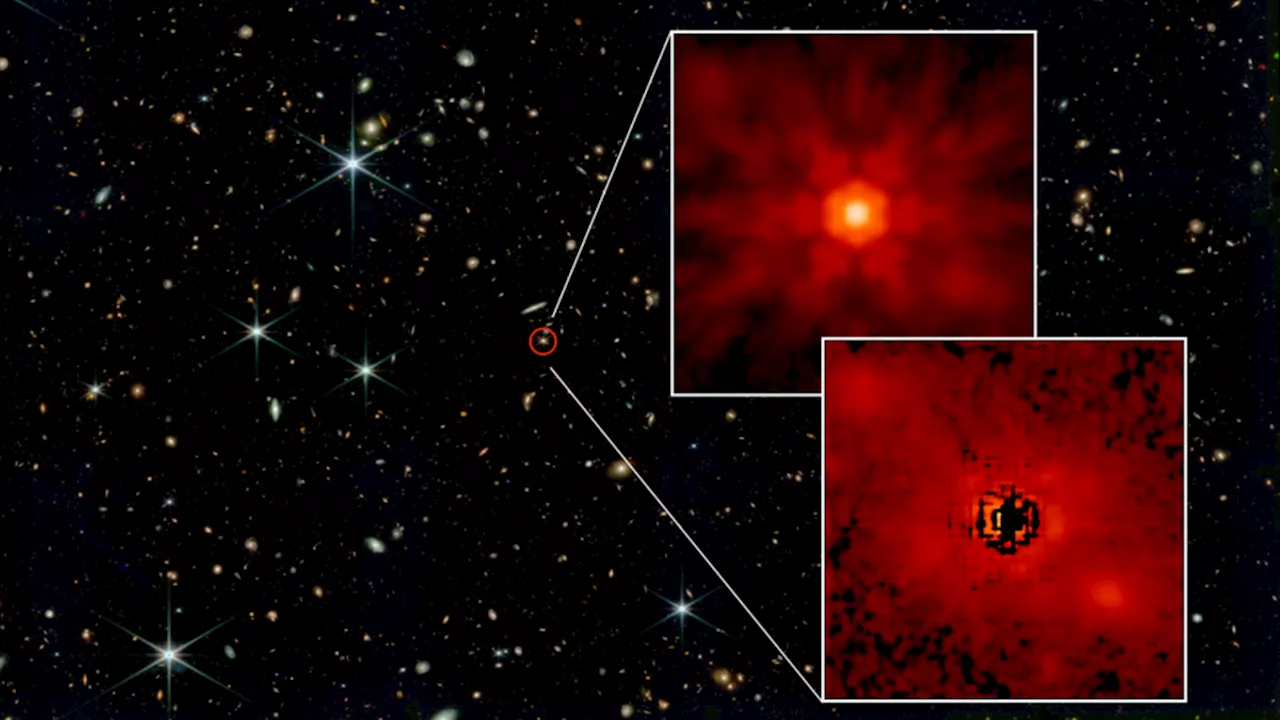 James Webb Space Telescope suggests supermassive black holes grew from heavy cosmic 'seeds'Robert Lea is a science journalist in the U.K. whose articles have been published in Physics World, New Scientist, Astronomy Magazine, All About Space, Newsweek and ZME Science. He also writes about science communication for Elsevier and the European Journal of Physics. Rob holds a bachelor of science degree in physics and astronomy from the U.K.
Read more »
 Seeking medical insights in the physics of mucusUnderstanding how mucus changes, and what it changes in response to, can help diagnose illnesses and develop treatments. Researchers develop a system to grow mucus-producing intestinal cells and study the characteristics of the mucus in different conditions.
Read more »
 Fall into a black hole in mind-bending NASA animation (video)Robert Lea is a science journalist in the U.K. whose articles have been published in Physics World, New Scientist, Astronomy Magazine, All About Space, Newsweek and ZME Science. He also writes about science communication for Elsevier and the European Journal of Physics. Rob holds a bachelor of science degree in physics and astronomy from the U.K.
Read more »
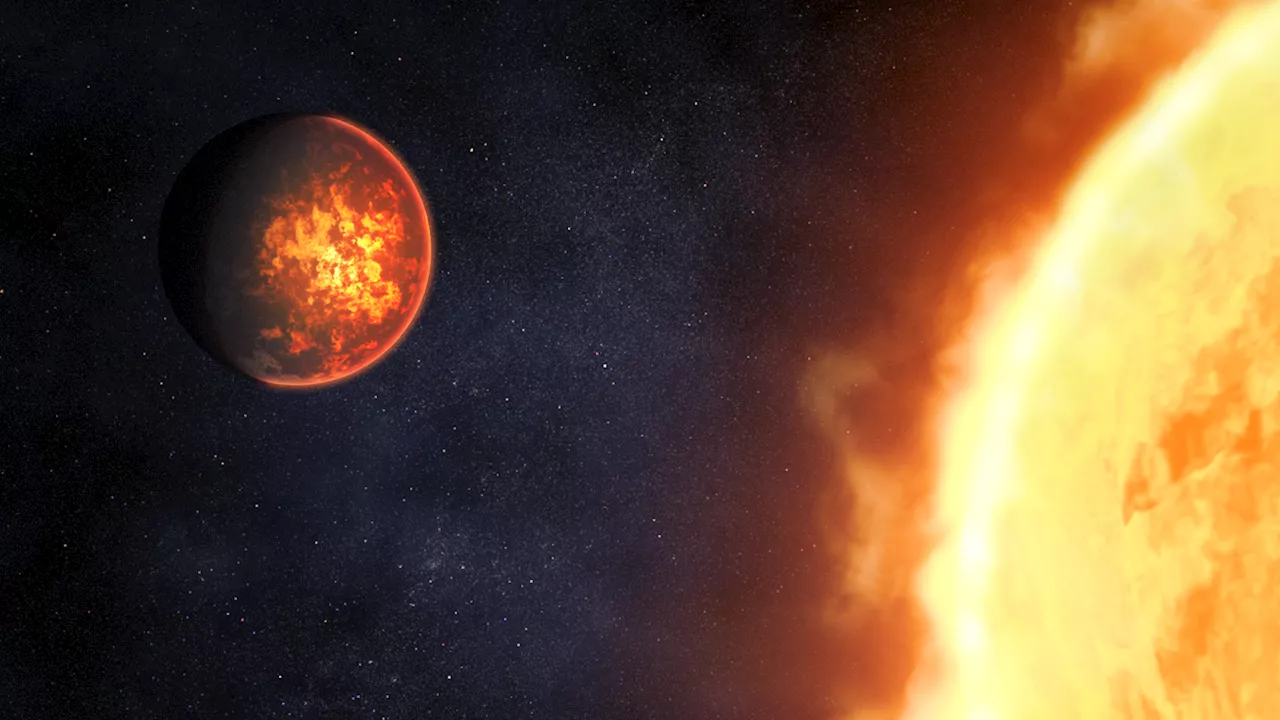 This diamond exoplanet lost its atmosphere — then it grew anotherRobert Lea is a science journalist in the U.K. whose articles have been published in Physics World, New Scientist, Astronomy Magazine, All About Space, Newsweek and ZME Science. He also writes about science communication for Elsevier and the European Journal of Physics. Rob holds a bachelor of science degree in physics and astronomy from the U.K.
Read more »
 Quantum simulators solve physics puzzles with colored dotsBy analyzing images made of colored dots created by quantum simulators, ETH researchers have studied a special kind of magnetism. In the future this method could also be used to solve other physics puzzles, for instance in superconductivity.
Read more »
 Hidden citations in physics may obscure true impactIn the scientific literature, a citation acts as a mechanism to signal prior knowledge, enhance credibility, and protect against plagiarism. But it also gives credit to the individual or team who established or discovered the knowledge in question, and citations have thus emerged as a metric to measure the impact of a work or researcher.
Read more »