
A team of physicists at Tampere University has created a groundbreaking method for detecting congestive heart failure with greater accuracy and ease. Using advanced time-series analysis of inter-beat intervals (RR intervals), the method can identify heart failure with 90% accuracy, even with readily available devices like smartwatches and heart rate monitors.
A team of physicists has developed a groundbreaking method for detecting congestive heart failure with greater ease and precision than previously thought possible. This multidisciplinary study, involving both cardiologists and computational physicists, builds on the team's earlier breakthroughs, for example, in predicting the risk of sudden cardiac death.
A team of physicists at Tampere University has developed a groundbreaking method for detecting congestive heart failure with greater ease and precision than previously thought possible. This multidisciplinary study, involving both cardiologists and computational physicists, builds on the team's earlier breakthroughs, for example, in predicting the risk of sudden cardiac death. Researchers at Tampere University have achieved a major milestone in diagnosing heart diseases. According to their new study, congestive heart failure can be reliably detected by analysing the intervals between successive heartbeats -- inter-beat or RR intervals -- which can be measured not only with professional equipment but also with smartwatches and heart rate monitors. The new method is based on advanced time-series analysis developed by the Quantum Control and Dynamics research group led by Professor Esa Räsänen. This analysis allows the investigation of dependencies between inter-beat intervals at different time scales, along with other complex characteristics typical of various heart diseases. The researchers analysed multiple international databases containing long-term electrocardiographic recordings from healthy control subjects and patients suffering from heart disease. The study particularly focused on distinguishing patients with congestive heart failure from healthy control subjects and patients with atrial fibrillation. The new method was capable of detecting congestive heart failure with an accuracy of 90%, demonstrating its effectiveness and reliability as a diagnostic tool.Currently, diagnosing congestive heart failure often requires costly and time-consuming imaging techniques, such as echocardiography, also known as cardiac ultrasound. Detecting congestive heart failure from inter-beat intervals alone has previously been extremely difficult or virtually impossible in patients with a regular sinus rhythm. In contrast, atrial fibrillation is much easier to detect and can already be identified using many of the consumer devices available on the market. The new method provides a much easier and more cost-effective means for screening congestive heart failure, for example, with consumer-grade heart rate devices and smartwatches. This could lead to the earlier detection of cardiac diseases, thereby improving patients' treatment and prognosis. "The new method opens up new opportunities for digital healthcare and patient self-monitoring," says the lead author of the study, Doctoral Researcher Teemu Pukkila. "Our findings pave the way for the early detection of congestive heart failure using readily available equipment, eliminating the need for complex diagnostic procedures," says Professor of Cardiology Jussi Hernesniemi, who participated in the study and also works as a cardiologist at Tays Heart Hospital. The methods developed by the Quantum Control and Dynamics group have previously been used, among other things, to detect sudden cardiac death and assess physiological thresholds in endurance sports. The next step for the researchers is to verify the results with more extensive data and examine how similar methods could more accurately detect other heart diseases. The results are a promising indication that advanced algorithms can revolutionise the diagnostics and treatment of cardiovascular diseases.A new computational method developed by physicists can be used to estimate the risk of sudden cardiac death from a one-minute heart rate measurement at rest. The study was carried out in ... Hypertrophic cardiomyopathy is the most common of all genetic heart diseases and is the leading cause of sudden cardiac death. It is characterized by an abnormal thickening of the heart muscle, ... Over 300,000 people die each year in the US due to sudden cardiac death. In many cases, sudden cardiac death is caused by abnormally rapid heart rhythms called tachycardias, which means the heart ... Researchers have used machine learning to predict which classes of chronic heart failure patients are most likely to experience heart failure death, and which are most likely to develop an arrhythmic ...Working Dogs Take a Day to Adjust to Daylight Savings Time, but Pets Are More Flexible
CONGESTIVE HEART FAILURE DIAGNOSIS HEART DISEASES PHYSICISTS SMARTWATCHES
United States Latest News, United States Headlines
Similar News:You can also read news stories similar to this one that we have collected from other news sources.
 Hydrogen ions could control electronic properties of exotic quantum materialPhysicists developed a method using hydrogen cations to control electronic properties in magnetic Weyl semimetals, enabling advanced quantum technologies.
Read more »
 DNA Molecule Manipulation Yields Sharper ImagesScientists develop a new method to enhance image resolution by using DNA molecule manipulation techniques.
Read more »
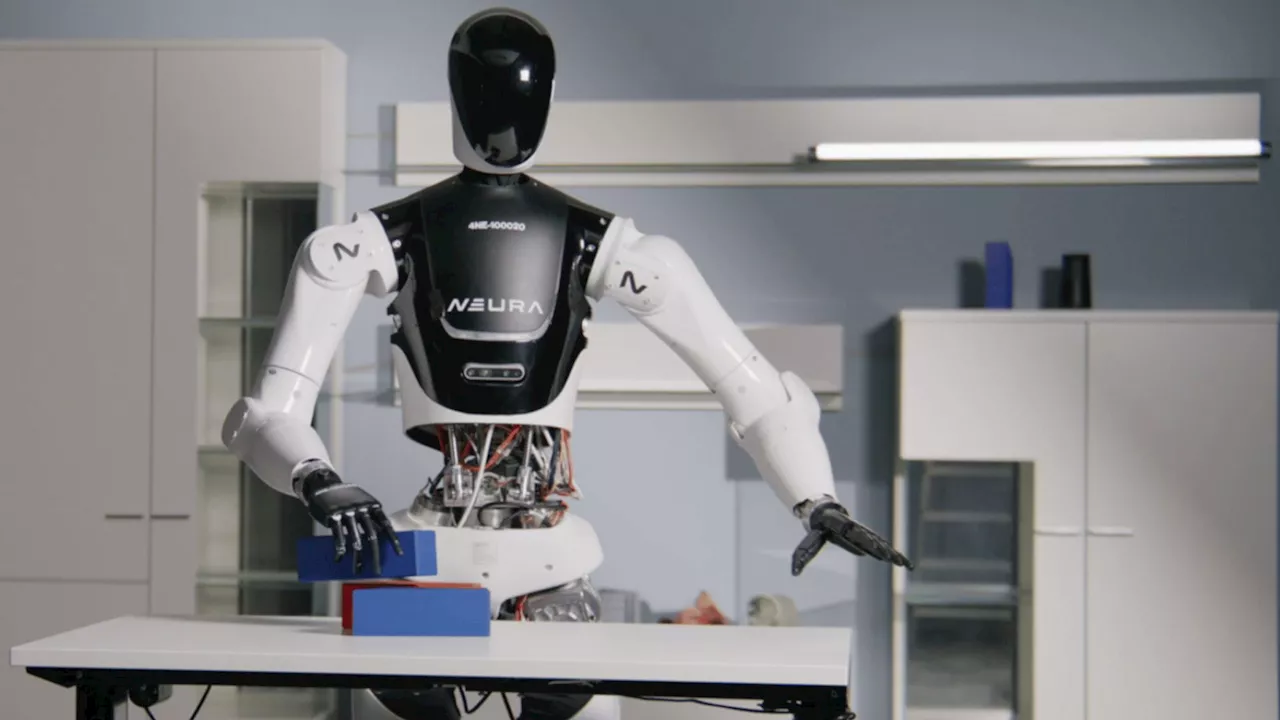 German humanoid robot to ‘see, hear, touch’ better with $120 million funding boostNeura Robotics raises $120M to develop advanced 'cognitive' robots with enhanced senses and AI capabilities.
Read more »
 Electrical Engineers Develop Revolutionary Method for Comparative GenomicsA new method called CASTER allows researchers to analyze entire genomes simultaneously, unlocking new possibilities for understanding evolutionary relationships.
Read more »
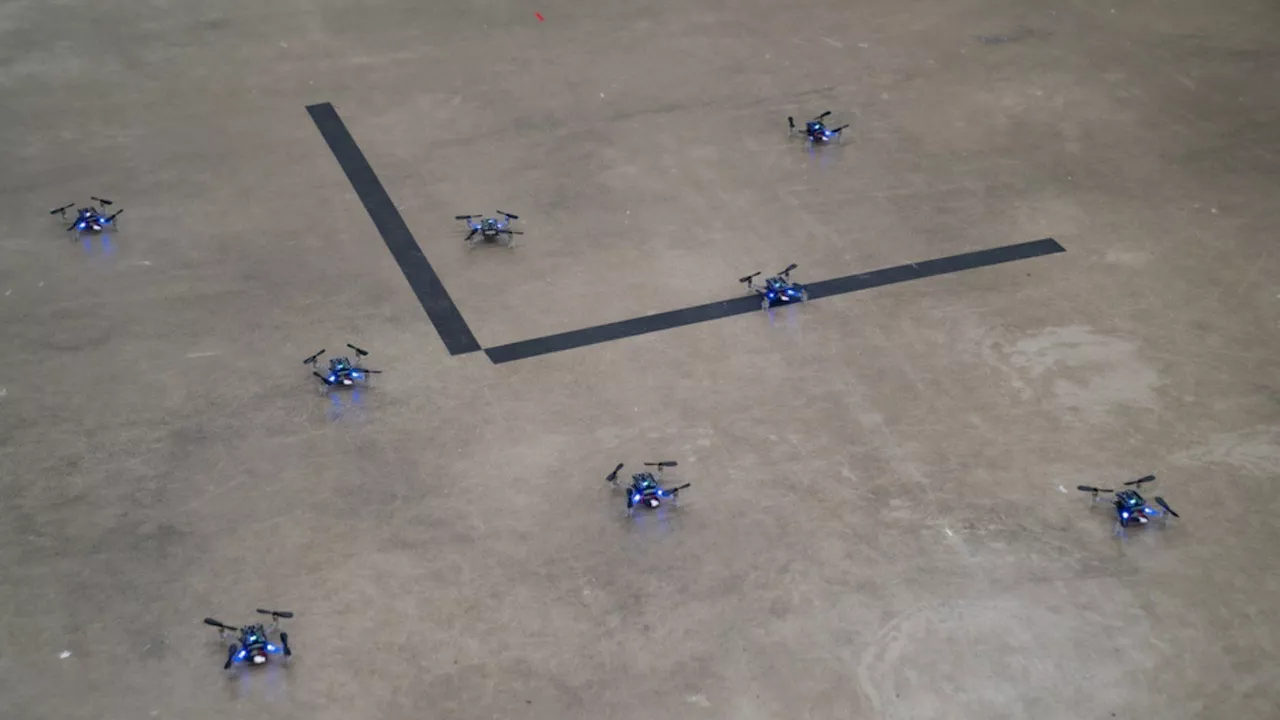 MIT Engineers Develop Training Method to Ensure Safety in Multiagent SystemsMIT engineers have created a groundbreaking training method that guarantees the safe operation of multiagent systems, such as robots, drones, and self-driving cars, even in crowded environments. The method, tested successfully with small drones performing complex tasks, utilizes continuous mapping of safety margins and a reactive controller, enabling agents to navigate safely and adapt to changing situations.
Read more »
 Physicists Discover 30-Minute Method for the Perfect Boiled EggA team of physicists at the University of Naples, Italy, have devised a novel method for boiling eggs that takes a full 30 minutes and involves repeatedly switching between boiling and cold water. They claim this method results in an evenly cooked egg with a perfectly textured white and yolk. While some experts are skeptical about the practicality of the method, the researchers stand by their findings, stating that the time investment is worth it for a truly exceptional boiled egg.
Read more »