
A Personal Perspective: "Bullying" is a term that may be used too often today. Learn the distinction between real bullying and mean behavior.
a form of aggressive behavior in which someone intentionally and repeatedly causes another person injury or discomfort. Bullying can take the form of physical contact, words, or more subtle actions. The bullied individual typically has trouble defending him or herself and does nothing to “cause” the bullying.
I am writing about this because I have noticed that many parents now call almost any unwanted behavior toward their child"bullying" and I think this does a real disservice to their children. Because if everything negative a child experiences at the hands of other kids is classified as"bullying," then it is likely that that child will overreact to criticism and mean behavior, feel that they need adult intervention, and be unprepared for future experiences of a similar kind.One or two unkind comments made toward a child by another child is not bullying. Being told they cannot play with a certain group of kids once or twice is not bullying. Being pushed or prodded a couple of times while in line at school is also not bullying. These sorts of things should not be treated as such. It is entirely normal for a child to face criticism or mean behavior from other kids on occasion, and kids need to know how to both tolerate this and to stand up for themselves. If, every time a child comes home saying"so and so said my pants were ugly," the parent talks to the teacher or tells the child they're being bullied, the child may not learn how to react to something that is a normal part of social interactions amongst children. And if every time the teacher says that a child should behave differently or do something differently on an assignment, the parent steps in and talks to the teacher, the child's respect for the teacher may be undermined and the child may not learn that sometimes criticism is warranted and can be helpful. These things may seem obvious, but I have noticed that parents have been calling more behaviors bullying recently—and they are stepping in way more often with teachers when children feel criticized at school by the teacher. Of course, if there is a clear pattern of bullying by any child or adult, this needs to be called out, but the occasional comment or critique is simply not synonymous with bullying. To go back to the APA definition, to constitute bullying, a comment or action must be intentional, it must be aggressive, and it must be repeated. We parents must help our children discriminate between real bullying and the occasional criticism, exclusion, or mean behavior. When our child tells us that they've been criticized or excluded, we must help them to look at what has been said or done and to evaluate whether it was deserved. For example, we can ask,"Might you have done something that caused so and so to say that or to do that?" If it was deserved, we must help our child to absorb this and to figure out whether they need to do something differently next time. And if the comment or behavior was not deserved, we have to help our child to figure out what to say or how to respond the next time this happens, and how to push back against criticism and mean behavior in general.In extreme cases, of course, we step in, but in all other cases, let's help our children figure out how to deal with this sort of thing on their own—because, after all, being criticized, excluded, and treated poorly at times is something we all typically have to face throughout our lives.There’s been a fundamental shift in how we define adulthood—and at what pace it occurs. PT’s authors consider how a once iron-clad construct is now up for grabs—and what it means for young people’s mental health today.
United States Latest News, United States Headlines
Similar News:You can also read news stories similar to this one that we have collected from other news sources.
 A Personal Perspective: Hashtags and labels only tell part of the sibling story.A Personal Perspective: For special needs siblings, the term "glass child" has raised awareness and support, but it has led to some misconceptions too.
Read more »
 A Personal Perspective: Grief is shaped by the person we loved and lost.A Personal Perspective: When it comes to grief, there’s no "one size fits all." No two people grieve the same way.
Read more »
 Personal Perspective: How language matters when describing healthcare.Personal Perspective: The not-so-subtle shift in the way psychiatrists and other clinicians are described is no accident, and it’s time to push back.
Read more »
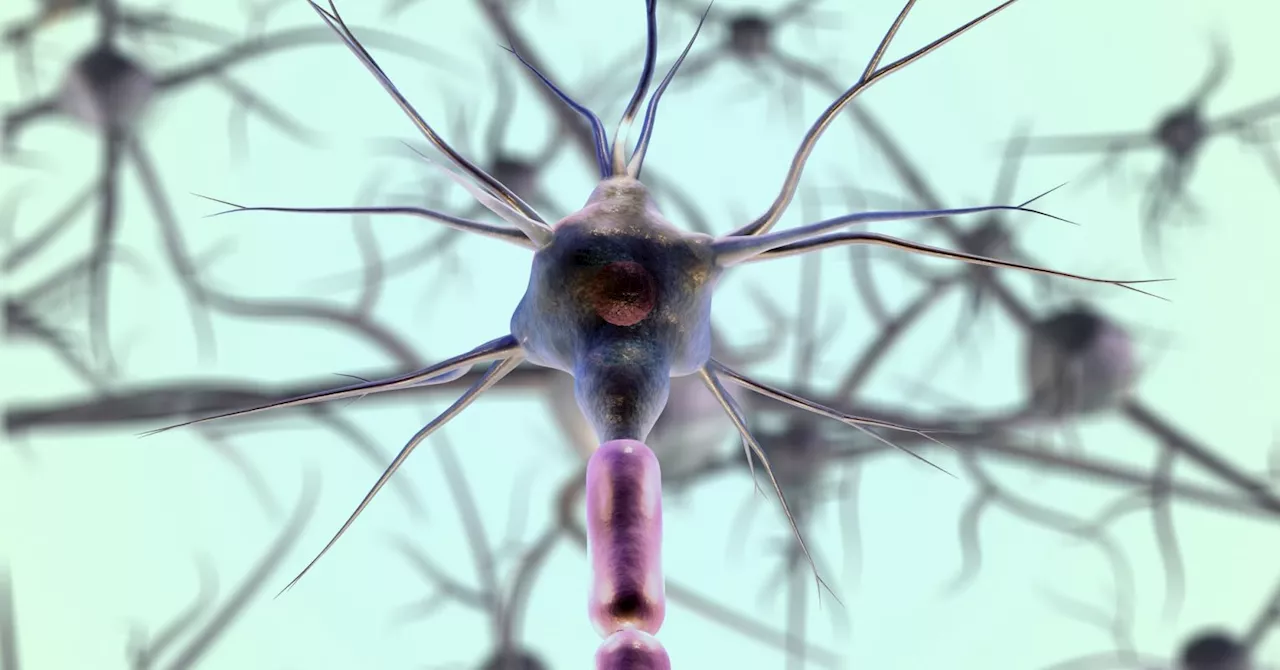 Personal Perspective: When brain activity is impaired why not treat it directly?Personal Perspective: The heart of treating brain injury may be treating the injured neurons and the resultant mental states, both.
Read more »
 Personal Perspective: How thought and faith can strengthen our inner resolve.Personal Perspective: Prayer can provide individuals with comfort and a coping mechanism to manage stress during difficult situations.
Read more »
 Personal Perspective: Reflecting on my four years homeless in Los Angeles.Personal Perspective: Today, in 2025, I remember my four years homeless in Los Angeles, and am thankful for my recovery from schizophrenia.
Read more »