
Personal Perspective: The not-so-subtle shift in the way psychiatrists and other clinicians are described is no accident, and it’s time to push back.
Many medical and mental health clinicians do not like being referred to as a "provider" or a "prescriber."These terms have become more prevalent in our more corporatized healthcare system.When my clinic decided to switch our electronic medical record vendor, I tried to use whatever little clout I had as the psychiatry leader of our organization to respectfully ask that terms like “prescriber” and “” be stricken from the platform.
It was to no avail. In the end, we were just a small cog in their big company. Now every time I log in, I am reminded of my designation as a prescriber. My notes are meanwhile logged as medication management visits, even when the people I see aren’t taking any medications at all. Using a term like “provider,” “prescriber,” and “medication management” to refer to me and the work I do just makes me cringe. Yes, I get that these grievances may sound like petty gripes of over-educated people existing in the new world of constant offense and outrage. But before dismissing these complaints out of hand, consider the possibility for a moment that these terms are being used for a purpose that diminishes not only my own standing as someone who spent a full decade learning how to be a competent physician and child psychiatrist but also those being served by psychiatrists, psychologists,These new terms didn’t just come out of nowhere. Sure, part of the reason pharmaceutical companies changed the script in the commercials from “talk to your doctor” to “talk to your prescriber” was that there now exist many non-physicians with prescribing privileges and there just wasn’t enough time in a one-minute spot to say “talk to your doctor, or nurse practitioner, or physician’s assistant, or in some states even your psychologist,” especially given all the life-threatening side effects they also have to squeeze in. Beyond that, however, the shift in our healthcare environment away from the preeminence of the almost sacred patient-doctor relationship to care being dictated by corporatized medical organizations, massive insurance companies, and extreme views of a few politicians required that the status of us clinicians working every day 1:1 with patients and clients be cut down a few notches. And what better way to do that than by changing the language? If you are just a “prescriber,” why should a corporate employer run by venture capitalists give you 30 minutes or more to see a follow-up patient when you can “do the meds” in less time? If you are just a “provider,” why should an insurance company trust your judgment regarding what is medically the right treatment decision to make over some computer algorithm? It is getting so extreme that I now even have patients and parents occasionally asking me point blank why I am asking them personal questions about things like past Part of this is our own fault. As psychiatrists, too many of us settled too comfortably in the new miniaturized role of monitoring just symptoms and side effects while letting others take care of the rest of the person and their environment. But times are changing, and psychiatry seems to be ready to reclaim some territory we never should have conceded in the first place. Over my 20-plus years of outpatient psychiatry practice, a lot of my follow-up appointments really do focus on medications, and good psychopharmacological care is a valuable skill. That said, the bulk of time spent during many, if not most, of my appointments is devoted to talking about a kid’s life and all the moving parts related to school, parents, friends, siblings, screens, and activities. A good psychiatrist is part therapist, social worker, advocate, friend, pharmacologist, medical doctor, and motivational speaker. This is why casually referencing these precious interactions as a “med check” seems so offensive to so many. As a group, we need to push back. Maybe alone I can’t get a big electronic medical record company to stop devaluing the work that I do, but perhaps a larger professional organization like the American Psychiatric Association can. Maybe a single psychiatrist passing up a lucrative but demoralizing position doing 20 med checks per day won’t change the company’s job requirements, but what if nobody took the position? Maybe then we will be able to shed the perception of clinicians as being more than dispensers of medical widgets and get back to being seen as true healthcare professionals given both great privilege and great responsibility.There’s been a fundamental shift in how we define adulthood—and at what pace it occurs. PT’s authors consider how a once iron-clad construct is now up for grabs—and what it means for young people’s mental health today.
United States Latest News, United States Headlines
Similar News:You can also read news stories similar to this one that we have collected from other news sources.
 Personal Perspective: Mortality weaves its way into the fabric of celebration.Personal Perspective: A different way to confront the reality of death rather than focusing on grief.
Read more »
 Personal Perspective: Let a tree be a tribute to tradition and teamwork.Personal Perspective: Creating a tree from their books enables a family to update traditions they treasure and focus on the values of sustainability, beauty, and meaning.
Read more »
 A Personal Perspective: Small changes can have a big impact.A Personal Perspective: Dramatic changes have real appeal. Declutter the whole house! But making many small changes will have a much bigger impact over time.
Read more »
 Personal Perspective: When at a crossroads, listen closely and choose wisely.Personal Perspective: Life occasionally hands us the keys to our entire future. Listen closely and choose wisely.
Read more »
 Personal Perspective: EMDR either rewired my emotions or it was nonsense.Personal Perspective: EMDR supposedly provides a way for the brain to rewire your emotions...either that or it's total nonsense in which nothing really happens.
Read more »
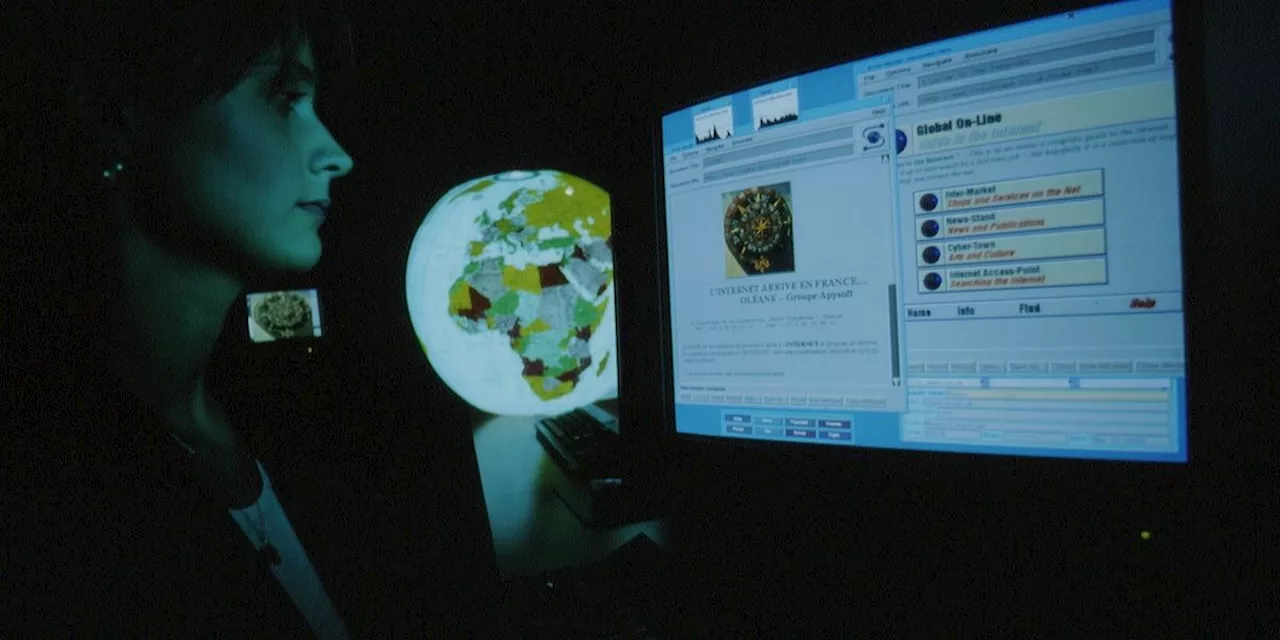 The Early Days of the Internet: A Personal PerspectiveA journalist reflects on his experience covering the rise of the public internet in the early 1990s, highlighting concerns about its potential for social control and corporate ownership.
Read more »