
A team of chemists has unveiled a novel method to simplify the synthesis of piperidines, a key structural component in many pharmaceuticals. The study combines biocatalytic carbon-hydrogen oxidation and radical cross-coupling, offering a streamlined and cost-effective approach to create complex, three-dimensional molecules.
This innovation could help accelerate drug discovery and enhance the efficiency of medicinal chemistry.
To bridge this gap, the team introduced a two-stage process to modify piperidines, which are important in many pharmaceuticals. The first step uses biocatalytic carbon-hydrogen oxidation, a method where enzymes selectively add a hydroxyl group to specific sites on piperidine molecules. This process is similar to a common chemical technique called electrophilic aromatic substitution, which works for flat molecules like pyridines, but here it is applied in a 3D structure.
The research demonstrated the streamlined synthesis of numerous high-value piperidines used in natural products and pharmaceuticals, including neurokinin receptor antagonists, anticancer agents and antibiotics. The approach reduced multistep processes from 7-17 steps to just 2-5, drastically improving efficiency and cost.
"By combining biocatalytic oxidation and radical cross-coupling, we are enabling access to molecules previously considered inaccessible or prohibitively expensive," said Yu Kawamata, a co-author and institute investigator in the Department of Chemistry at Scripps Research. Financial support for this work was provided by National Institutes of Health , the Welch Foundation , fellowship support from the Naito Foundation and NSF REU grant 2150216.Chicago
Pharmaceuticals Today's Healthcare Controlled Substances Organic Chemistry Chemistry Biochemistry Inorganic Chemistry
United States Latest News, United States Headlines
Similar News:You can also read news stories similar to this one that we have collected from other news sources.
 New York City's minimum wage is set to go up New Year's Day — but some say it's not nearlyWith a new year comes new opportunities for New Yorkers making the minimum wage.
Read more »
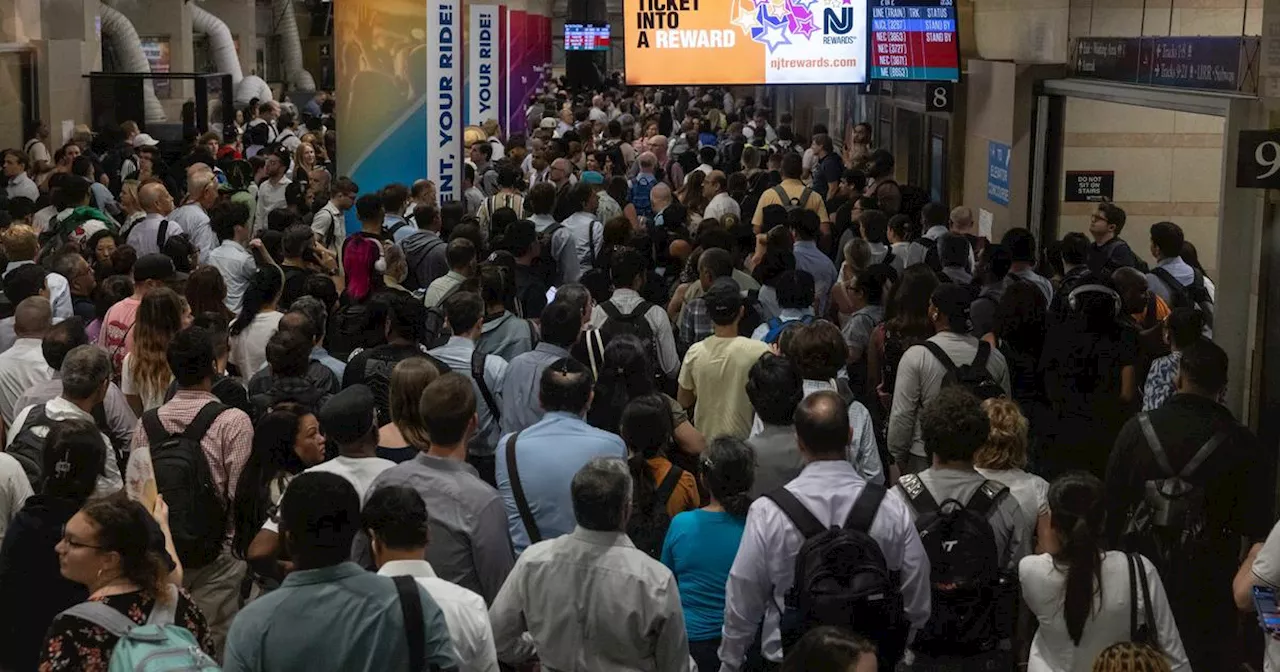 Repairs made on New Jersey rails but new infrastructure is needed, officials sayNew Jersey Gov. Phil Murphy updated commuters Wednesday on what's being done to correct issues on the rails.
Read more »
 New York families, therapists say new Early Intervention Program hub is causing service problemsNearly a dozen families and therapists say New York's Early Intervention Program services have grinded to a halt due to a new state database.
Read more »
 New Zealanders are banned from displaying gang symbols as a new law takes effectA ban on New Zealanders wearing or displaying symbols of gang affiliation in public has taken effect, with police officers arresting a man for breaking the law three minutes later.
Read more »
New Braunfels crafts new vision for west side of townThe West End of New Braunfels could see improved streets and sidewalks, drainage and other redevelopment projects under the city's new area plan.
Read more »
 Digital payment apps face new federal oversight under new Consumer Financial Protection Bureau ruleThe Consumer Financial Protection Bureau has finalized a new rule introducing federal oversight for major digital payment apps like Venmo, Cash App, and PayPal. The rule takes effect 30 days after its publication in the Federal Register.
Read more »