
And they're basically free.
Menopause Keeping You Up At Night? Study Says These 2 Things Can Help You Snooze From the hot flashes to the irritability, menopause comes with a host of side effects and symptoms—and sleep can take a big hit as a result.
But, according to research published in the journal Menopause, there are two simple and accessible things women can do to improve their sleep quality, despite going through menopause. Here's what to know. Studying how menopausal women can improve sleep Sleep disturbances and subsequent fatigue are some of the biggest issues for menopausal women, with previous research from 2016 finding that 76% of participants transitioning through menopause experienced fatigue.So for this study, researchers wanted to know which complementary and alternative medicine techniques could help menopausal women get some shut-eye.They specifically wanted to look at two CAM methods: therapeutic touch and music. Therapeutic touch is described as a noninvasive intervention that directs and balances life energy within the patient, for reported benefits like accelerated natural healing and increased energy flow in the body.Music, meanwhile, is believed in CAM to release endorphins, lower heart and respiratory rate, lower blood pressure, and reduce pain, anxiety, sadness, and stress.But would they help menopausal women sleep? To find out, the researchers split over 100 menopausal women into three groups: one control group, one group that received therapeutic touch once a week for four weeks, and one group that listened to music for half an hour every night before bed.Following the four weeks, both music and therapeutic touch were found to significantly improve sleep quality, as well as improve menopause symptoms and menopause-specific quality of life overall, compared to the control group. What to do about it While you should always talk with your primary care provider if you're experiencing menopause-related symptoms, the findings of this study suggest two simple and natural techniques could greatly improve sleep if you're struggling. Do a search to see if there are any practitioners near you who offer therapeutic touch and see if you can book an appointment. Even if you can't, this study says music can help improve sleep sans touch, so that works too. The takeaway If your sleep has been suffering because of menopause, odds are you could use a good night's sleep. Put this study to the test and give yourself ample time to unwind tonight, with a relaxing playlist and perhaps a massage as well. You might just be snoozing in no time.
United States Latest News, United States Headlines
Similar News:You can also read news stories similar to this one that we have collected from other news sources.
 Artificial lights disrupt honeybee sleep cycles, UC San Diego study findsThe study found that hives under lamp posts on campus are keeping bees up at night, which could impact people and the food they eat in the long run.
Read more »
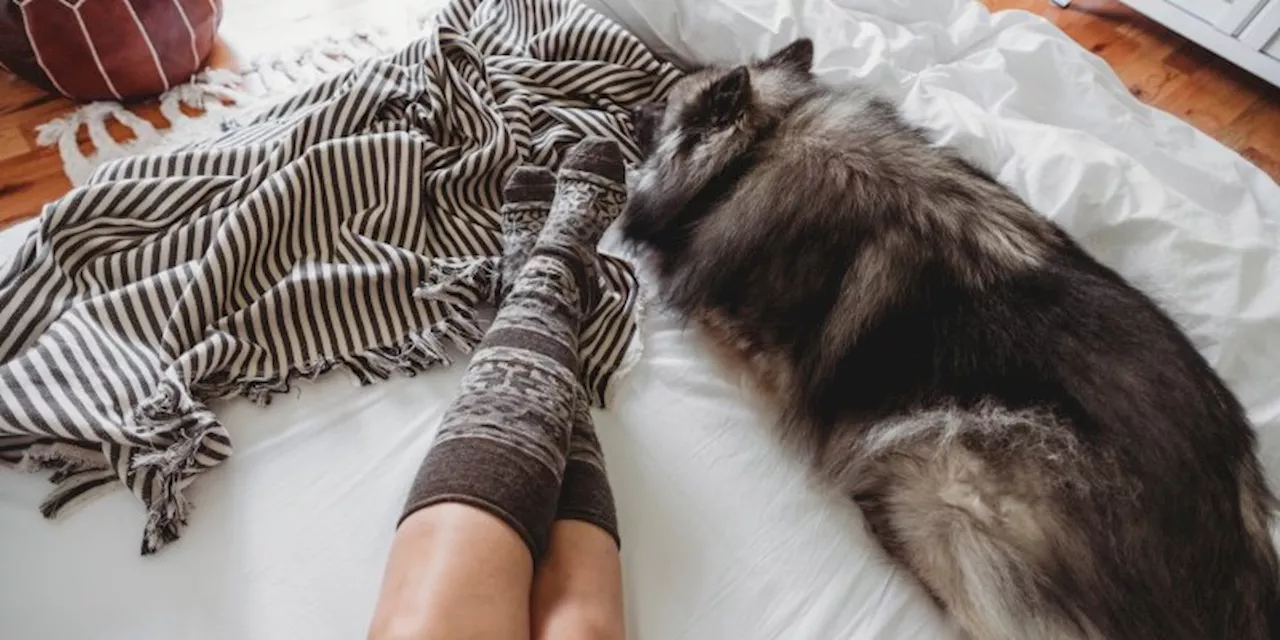 Wear Socks to Bed for Better Sleep, Says The Sleep DoctorThis article discusses a unique sleep solution suggested by sleep expert Dr. Michael J. Breus. He recommends wearing socks to bed to regulate body temperature and improve sleep quality, especially for those who tend to get cold at night.
Read more »
 Millennials Share Sleep Hacks: 'Rawdogging' Sleep and Falling Asleep InstantlyA viral Reddit thread has sparked discussions about sleep habits, with millennials sharing their experiences with 'rawdogging' sleep - falling asleep instantly without any aids. Some users boast about their ability to fall asleep at will, while others confess to relying on various sleep aids like podcasts, fans, or white noise machines.
Read more »
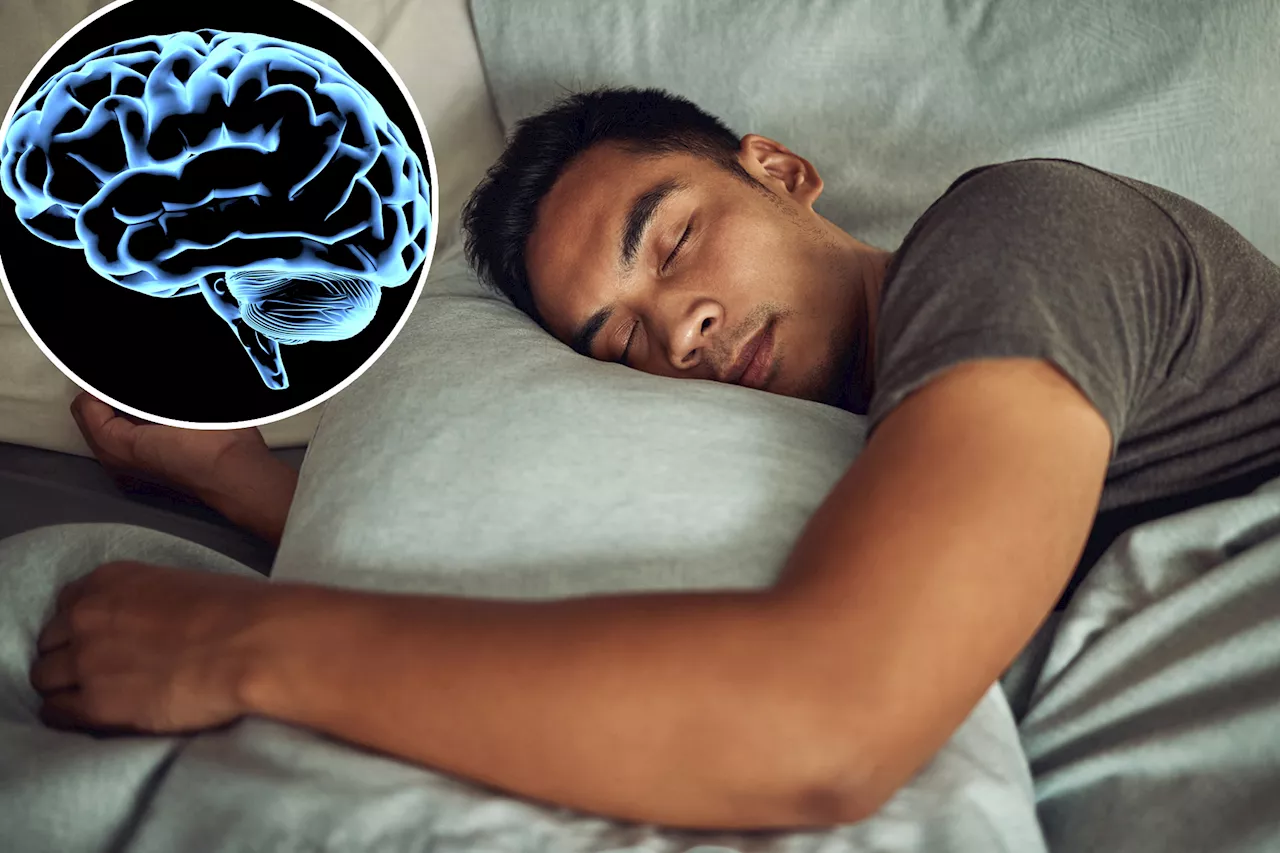 Sleep Aids May Disrupt Brain's Waste Removal SystemA new study reveals that common sleep aids could interfere with the brain's natural waste removal system, the glymphatic system, which is crucial for cognitive health.
Read more »
 New Advances in Sleep Health: Caffeine, Diet, Napping, and Sleep Apnea TreatmentsThis article explores recent findings and developments in sleep health, covering topics such as caffeine consumption, diet and insomnia, napping strategies, and new treatments for sleep apnea.
Read more »
 Sleep Tracking Devices: Data Overload or Pathway to Better Rest?This article explores the growing popularity of sleep tracking devices and the potential downsides of focusing too heavily on sleep data. It argues that while tracking sleep can be helpful, an obsessive approach to optimizing sleep, known as orthosomnia, can actually worsen sleep quality. The article emphasizes the importance of considering the bigger picture, including diet and lifestyle factors, for achieving good sleep.
Read more »