
The recent wildfires in California have caused extensive damage, with thousands of homes destroyed. Cleanup efforts are being hampered by the presence of burnt-out lithium-ion batteries from electric and hybrid vehicles, as well as home battery systems. These batteries pose a significant risk due to their toxic materials and require specialized removal, delaying the return of fire victims to their properties.
Cars in a gridlock pose, some burned, some crashed, and some perfectly fine, fill Sunset Boulevard on Saturday, Jan. 11, 2025, after fires ravaged Pacific Palisades last week. , efforts to clean up the affected areas are being complicated by burnt-out electric and hybrid vehicles and home-battery storage systems.
Lithium batteries from Tesla Inc., along with those from other carmakers, have added to the mix of toxic materials requiring specialized removal in the wake of the fires, delaying the fire victims’ return to their properties. Huge fire at Moss Landing battery plant spurs evacuations, road closures, sends out plumes of toxic smoke “A lot of the cars in the evacuation area were lithium batteries,” said Jacqui Irwin, a state assembly member representing theone of the neighborhoods hardest hit by the fires. “We’ve heard from firefighters that those lithium batteries burned fires near homes – like those with power walls – for much longer.”destroyed thousands of homes. While the dry, dangerous winds are forecast to end — a lack of rain and another possible round of winds next week has kept officials concerned that the danger is not over. Estimates for insurance losses from the fires have rapidly jumped to as high as $40 billion and BlackRock Inc. Chief Executive Officer Larry Fink has warned it could take a decade to rebuild the city. The Federal Emergency Management Agency has already allocated $100 million to the cleanup effort. There were over 431,000 Teslas in operation in the Los Angeles area as of October 2024, according to data from S&P Global Mobility. Based on new registrations, their market share locally was three times that of the rest of the nation. The Tesla Model Y was the biggest-selling vehicle in the state through September, according to the California New Car Dealers Association. Fires in lithium batteries can require large amounts of water to put out with automakers publishing guides for first responders detailing how to respond. In some Palisades and Eaton fire areas, residents who had been under evacuation orders were allowed to return to their homes Thursday. But others whose homes were destroyed or are in areas of heavy fire damage will have to wait until utilities and structures are inspected and determined to be safe before they’re allowed to look for personal items or inspect damage themselves. At a briefing Wednesday, county Deputy Public Works Director Cid Tesoro urged residents allowed into areas burned by the Eaton fire not to try to clean up debris, which can contain sharp objects and toxic materials, including asbestos, lead, mercury and other chemicals. California Governor Gavin Newsom is also aware of the complications. In an executive order this week, he said the state is “still adapting to newer technologies” like lithium-ion batteries, which can pose distinct risks when exposed to high heat from fires. Two years ago, Newsom signed an executive order requiring all vehicles sold in the state be zero-emission by 2035, while the state has become a leader when it comes to battery storage. San Diego firefighter Robert Rezende, a specialist in lithium-battery hazards who’ll be assisting in the cleanup effort, said protocols developed during the 2023 fires in Maui will be used in Los Angeles. But the scale of this event, and the hazards, are magnitudes larger. “The state has seen other fires, but nothing this urban, with so many neighborhoods and structures where you’d expect to see more electric vehicles and other energy storage systems,” Rezende said. “We’re anticipating a pretty big lift.” In Maui, the Environmental Protection Agency shipped more than 30 tons of lithium batteries from over 1,400 properties for recycling.Mother of Malibu fire victim, former child star Rory Sykes, vows to carry on his legacy in charity work The initial phase of cleanup involves the removal of materials most at risk to public health, according to Tara Fitzgerald, an incident commander with the agency. That includes pesticides, batteries or fuels and other products that would normally be considered hazardous household waste. The Los Angeles County Department of Public Health issued an order Wednesday prohibiting unsafe removal of fire debris, warning of “substantial” risks to human health and the environment when improperly treated, stored, transported or disposed. Independent removal of debris is prohibited without an inspection from approved agencies, including the EPA and the California Department of Toxic Substances Control. “The combustion of building materials such as siding, roofing tiles, and insulation result in dangerous ash that may contain asbestos, heavy metals and other hazardous substances,” the health department said. “Household and business hazardous substances such as paint, gasoline, cleaning products, pesticides, compressed gas cylinders and chemicals may have been stored in business locations, homes, garages or sheds that may have burned or released in the fire.” The Palisades fire did substantial damage to the neighboring city of Malibu. Mayor Doug Stewart said in an interview that the state is taking responsibility for debris removal, and that it did a good job managing the cleanup after the Woolsey fire there in 2018. That conflagration destroyed 1,600 structures, while the Palisades fire has destroyed or damaged more than twice that. The rebuilding process will take a long time. Six years after the Woolsey fire, only 182 of 363 single-family homes approved for rebuilding have been completed. Much of the city is still under evacuation orders and lacking power. Building inspectors are conducting rapid visual assessments of damaged properties and are 35% complete, according to Malibu’s website. Stewart is worried that toxins from burned homes will pollute the beaches and ocean when rains start. “We’ve got a responsibility to the environment,” he said. “A beautiful day in Malibu is what draws us here and makes life so idyllic. That’s what we have to protect.”'Most of the fire is out' at Moss Landing battery plant, but evacuations, road closures continueMiss Manners: He brought us fruit at 9 p.m. Were we supposed to let him in? ‘We shouldn’t have been blindsided’: State officials disappointed over collapse of $1.5 billion plan to expand Los Vaqueros Reservoir 'We shouldn't have been blindsided': State officials disappointed over collapse of $1.5 billion plan to expand Los Vaqueros ReservoirAsking Eric: Now that I'm sober and successful, they apparently want to unghost me Oakland FBI investigation: Ex-Mayor Sheng Thao, partner indicted amid sprawling FBI public corruption inquiry, sources sayHarriette Cole: Did she really think I'm unaware of my weight gain?Ahead of Trump 2.0, Women’s March rebrands as ‘The People’s March.' Can they revive the fervor of 2017?
WILDFIRES CALIFORNIA LITHIUM BATTERIES ELECTRIC VEHICLES CLEANUP TOXIC MATERIALS HOME BATTERY STORAGE
United States Latest News, United States Headlines
Similar News:You can also read news stories similar to this one that we have collected from other news sources.
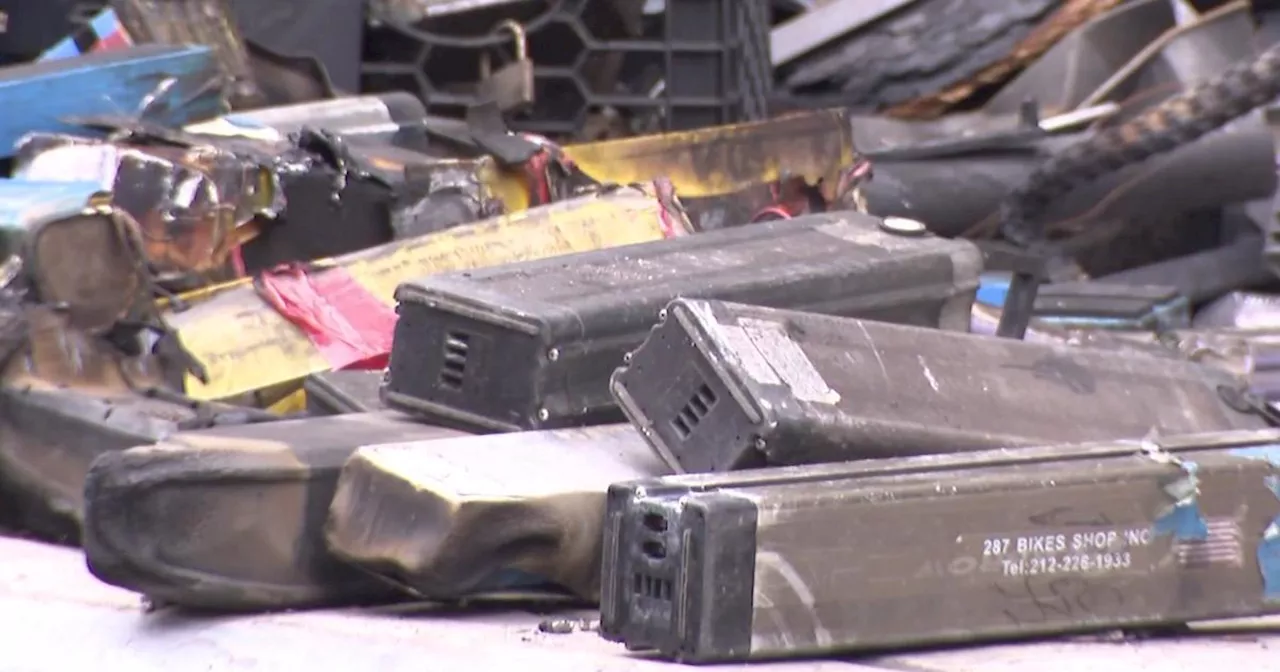 Federal Bill Aimed at Preventing Lithium-Ion Battery Fires Inches Closer to RealityA long-awaited federal bill that would establish a national safety standard for lithium-ion batteries is on the verge of becoming law. The New York City Fire Department, which has been advocating for this legislation for years, says the bill is crucial to preventing fires and deaths caused by faulty batteries.
Read more »
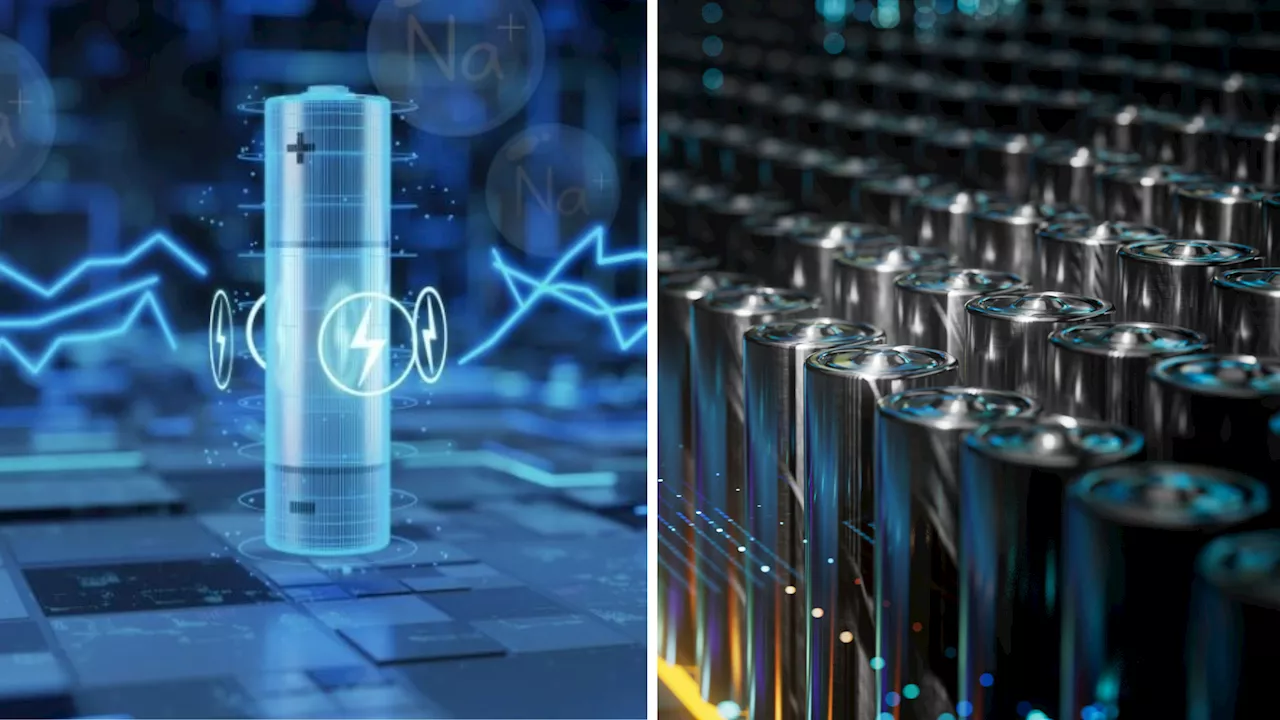 Sodium-ion batteries hit 458 Wh/kg: Breakthrough material closes gap with lithiumDeveloped by an international team of interdisciplinary researchers, the material could boost the energy performance of sodium batteries.
Read more »
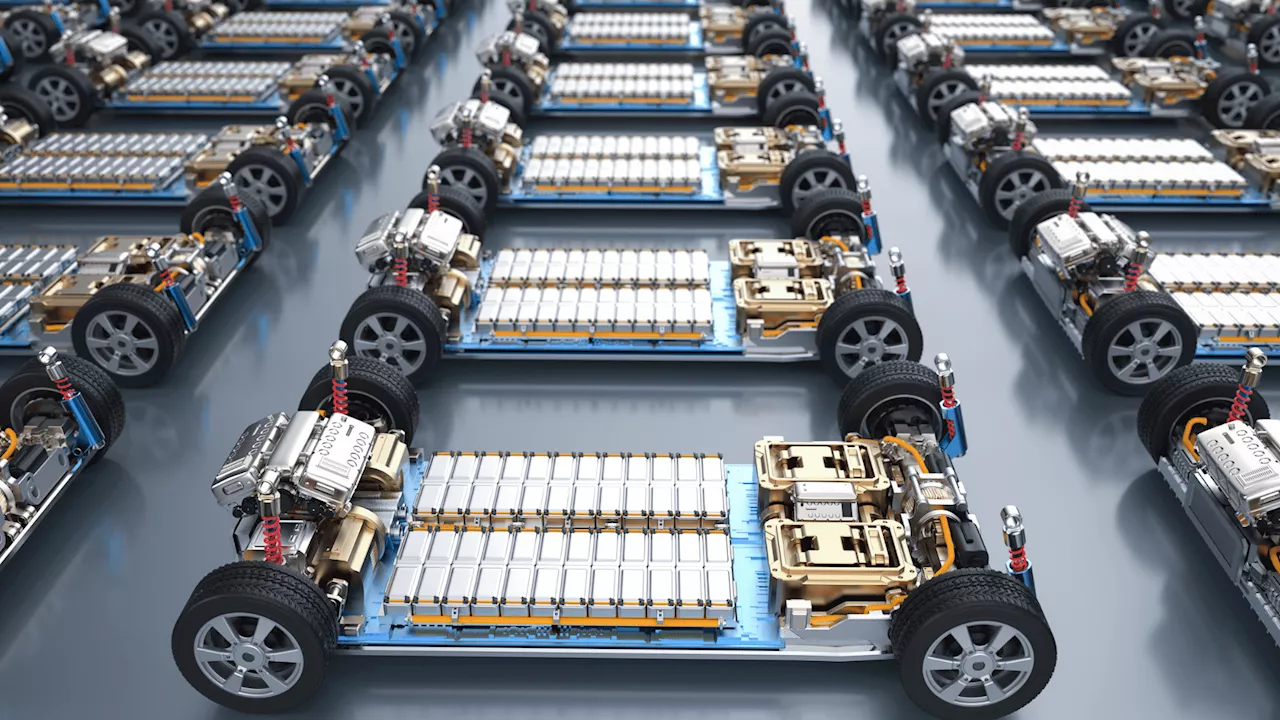 Researchers Find Way to Extend Lithium-Ion Battery Lifespan by 20%Scientists at POSTECH have identified a way to increase the lifespan of lithium-ion batteries by up to 20% using a novel lithium-rich layered oxide (LLO) cathode material. They discovered that the instability of LLO cathodes, previously hindering their use, was caused by oxygen release during charging and discharging. By modifying the electrolyte composition, they were able to prevent oxygen outflow and improve battery performance.
Read more »
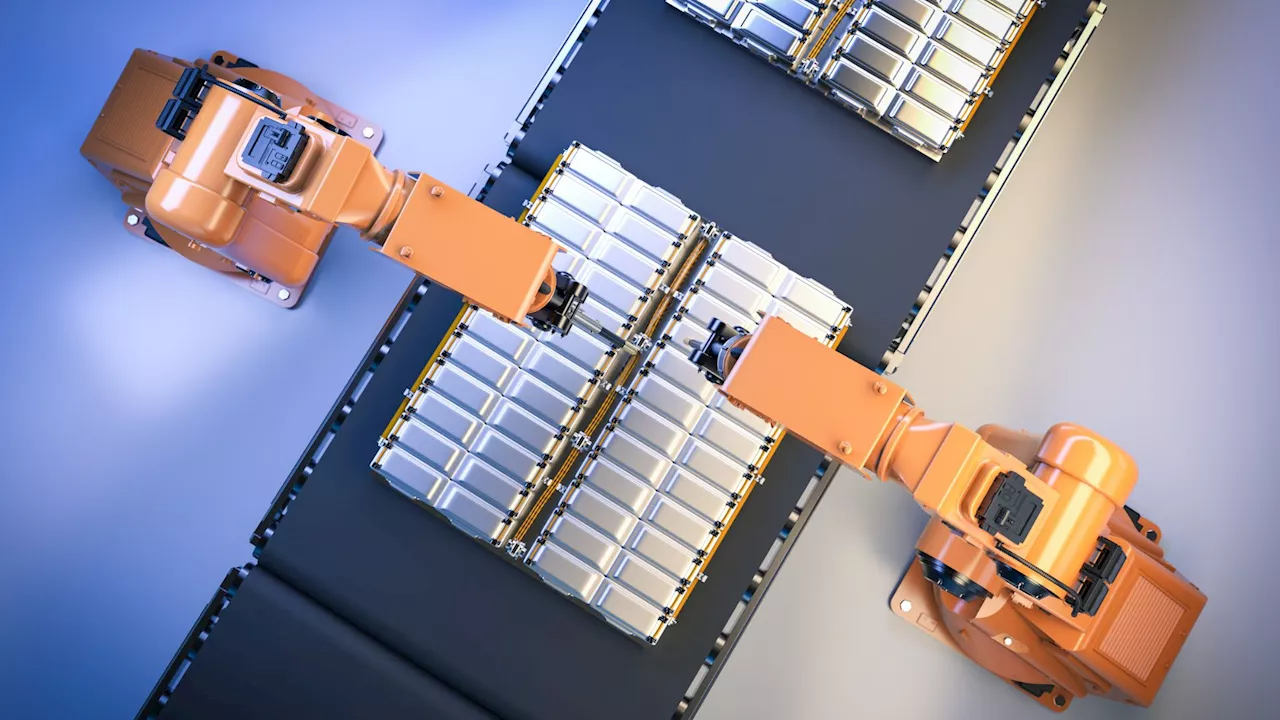 New Coating Enables Lithium-ion Batteries to Operate at Higher VoltagesResearchers at the Paul Scherrer Institute (PSI) have developed a novel surface coating that allows lithium-ion batteries to operate at higher voltages, potentially increasing energy density and performance for electric vehicles.
Read more »
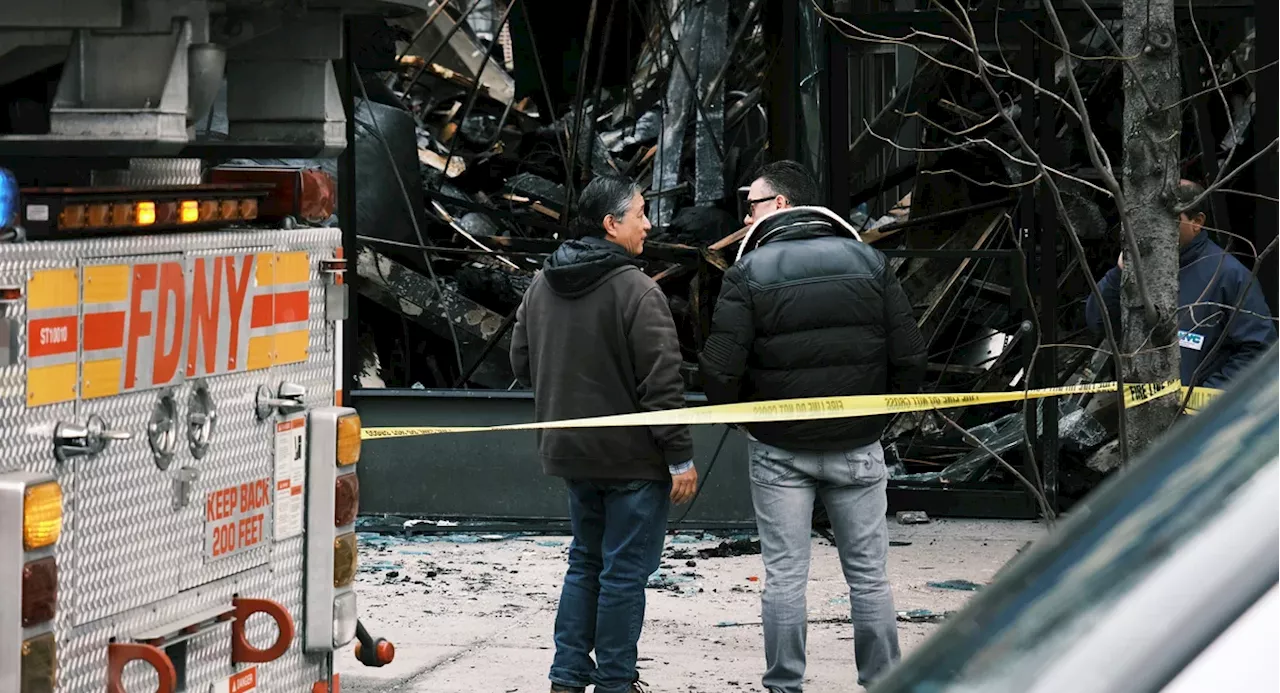 New York City Sees Drop in Lithium-Ion Battery Fire DeathsNew York City experienced a significant decrease in fire-related deaths caused by lithium-ion batteries in 2024, with six fatalities compared to 18 in 2023. Despite the reduction in deaths, the number of fires caused by these batteries increased slightly. City officials attribute the progress to enhanced public education, inspections, and community engagement. New regulations are also being implemented to improve e-bike battery charging safety.
Read more »
 NYC Firefighters Combat Lithium-Ion Battery Hazards, Saving LivesNew York City Fire Department (FDNY) successfully reduces lithium-ion battery fire fatalities by 67% in 2024.
Read more »