
The European Union's long-standing reliance on the US for defense may be coming to an end. The Trump administration's transactional approach to alliances and its willingness to prioritize financial gain over European security have left European leaders questioning the future of US commitment to their defense. While the Biden administration has reaffirmed its support for Ukraine, it has also adopted a cautious approach to the conflict.
The European Union has historically relied heavily on the US for defence, but that era might now be coming to an end.No postwar American president has so openly questioned NATO ’s value or framed alliances in purely transactional terms.
/ Photo: Reuters European countries are confronting a disorienting new reality as longstanding assumptions about their relationship with their primary military guarantor fade into the dark.for Europe, the Trump administration announced plans to pursue direct peace talks with Russia in Saudi Arabia—without a seat for Ukraine or the presence of European Union officials—sending shockwaves through European capitals.It was a necessary acknowledgement that Europe had been left to fend for itself. Trump made it crystal clear that his priorities do not lie in defending Europe or maintaining global security but in securing financial leverage.a $500 billion “payback” from Ukraine in the form of “rare earth” minerals as compensation for US financial support in Kiev’s defence against Russia. “They may make a deal. They may not make a deal. They may be Russian someday, or they may not be Russian someday. But we’re going to have all this money in , and I say, I want it back,” Trump Trump claimed the US had already invested $300 billion in the war, adding that Ukraine had agreed to the payback “so at least we don’t feel stupid.”in 1949 cemented US' role as Europe’s primary military protector, particularly against the Soviet Union during the Cold War. US military bases across the continent, along with its nuclear umbrella, ensured European security, allowing European nations to focus on economic growth and integration without the burden of spending significantly on defence.The relationship endured despite occasional tensions, such as disagreements over the Vietnam War, the 2003 Iraq invasion, and trade policies. However, US leadership in NATO remained largely unquestioned, with successive American administrations, both Republican and Democrat, reaffirming their commitment to European security. Even after the Soviet collapse, NATO expanded, reinforcing the belief that America’s security guarantee was permanent.Even before his first term, then-candidate Trump questioned NATO allies’ financial commitments, suggesting a re-evaluation of US involvement if member nations did not meet their defence spending obligations.“NATO is very important. But NATO is helping Europe more than it’s helping us. At the same time, it’s very good for us,” TrumpDespite rhetorical affirmations of support, the Biden administration also took a cautious approach to Ukraine. Ukrainian officials were often frustrated by the slow pace and limited scope of US military aid. Nevertheless, the US remained a key defence provider.No postwar American president has so openly questioned NATO’s value, framed alliances in purely transactional terms, or signalled such a willingness to move away from European security commitments. “The Trump administration seems determined to pull the US back from its alliances with European countries and play a smaller role in defence of Europe,” says Giorgio Cafiero, political analyst. He cautioned that this could give Russia significant leverage over key strategic decisions. “We know that Russia is always determined to exploit any weaknesses and divisions within the NATO alliance. And I am sure that the Kremlin is definitely pleased to see European states feeling very nervous about the foreign policy decisions being made by the Trump administration,” the CEO of a US-based geopolitical risk consulting firm, toldCafiero also noted that tensions between the US and the European Union might create a void for other global powers—most notably China—to increase their influence in Europe. Chinese Foreign Minister Wang Yi recently met with German Chancellor Olaf Scholz and other EU officials, expressing China’s willingness to enhance cooperation with Europe on free trade and multilateralism. “I certainly do not think it’s a coincidence that this Chinese outreach came in the aftermath of these recent developments between the Trump administration and Washington’s allies in Europe,” Cafiero said. He suggested that in the grand scheme of things, Trump may be retrenching resources from Europe to focus on long-term strategic challenges posed by China.The coming months will determine whether Europe can adapt to a new geopolitical reality. Experts say that European leaders must decide whether they can afford to remain dependent on America—whose decisions could have existential consequences. “Russia is likely to be more willing to use military force in a regional war against one or more European NATO countries if it perceives NATO as militarily weakened or politically divided,” states the report, dated February 9. “This is particularly true if Russia assesses that the US cannot or will not support European NATO countries in a war with Russia,” it adds.European countries control most of the frozen Russian assets that will be part of any eventual settlement with Moscow. They have also been among Russia’s biggest energy customers, and though pressure to resume purchases of cheap Russian gas is mounting—especially inYet Europe’s ability to shape the conflict’s outcome is constrained by America’s stance. Washington has made clear that it will not enforce any ceasefire line between Ukraine and Russia, effectively leaving European nations to shoulder the burden of guaranteeing Ukraine’s long-term security.
NATO US Foreign Policy European Security Russia China
United States Latest News, United States Headlines
Similar News:You can also read news stories similar to this one that we have collected from other news sources.
 Melania Trump's Inauguration Fashion: A Mix of American and European InfluencesThis article explores Melania Trump's fashion choices during the 2017 presidential inauguration, highlighting the mix of American and European designer brands she wore. It also delves into the role of fashion in politics and the influence of stylists on crafting the image of first ladies.
Read more »
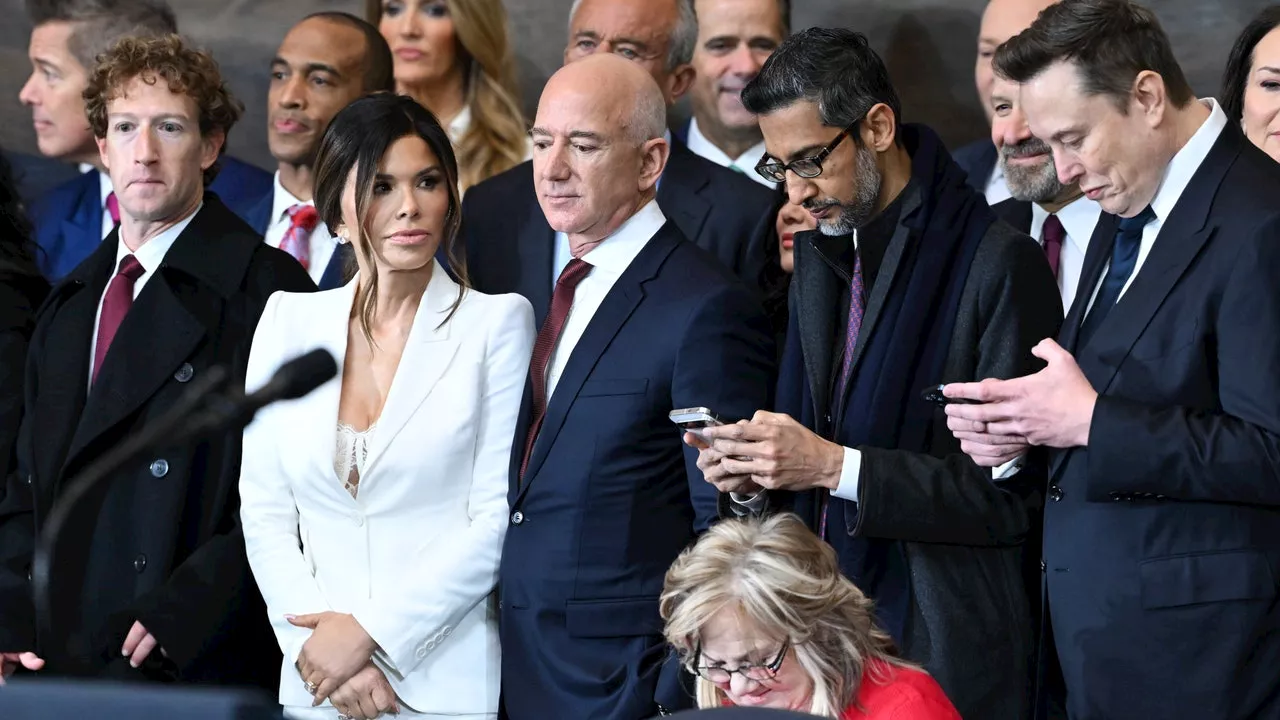 Tech Titans and Trump: A New Era in American Politics?This article analyzes the significant presence of tech CEOs like Zuckerberg, Cook, Bezos, Musk, and Rogan at Donald Trump's pre-inauguration events, suggesting a potential realignment within the tech industry under Trump's return to power. The article also contrasts their visibility with the exclusion of certain Republican governors and explores the implications of this shift for American politics.
Read more »
 European Film Industry Heavyweights Call for Regulation of Tech Giants in Trump EraEuropean filmmakers are backing an online petition demanding 'digital giants comply with European laws and maintain higher standards for fighting disinformation.'
Read more »
 DHS Proposes to End Biden-Era Parole Program for Latin American MigrantsThe Department of Homeland Security is considering ending a program that allowed Cubans, Haitians, Nicaraguans, and Venezuelans to enter the US under a humanitarian parole program. The proposal, which cites concerns about misuse of immigration parole and potential incentivization of illegal crossings, could impact over 530,000 individuals.
Read more »
 American Soccer Players Make Moves in European Transfer WindowThe European winter transfer window closed on Monday, with several American soccer players making moves to new clubs. This article analyzes the transfers and how they might impact their chances of making the US national team roster for the 2026 World Cup.
Read more »
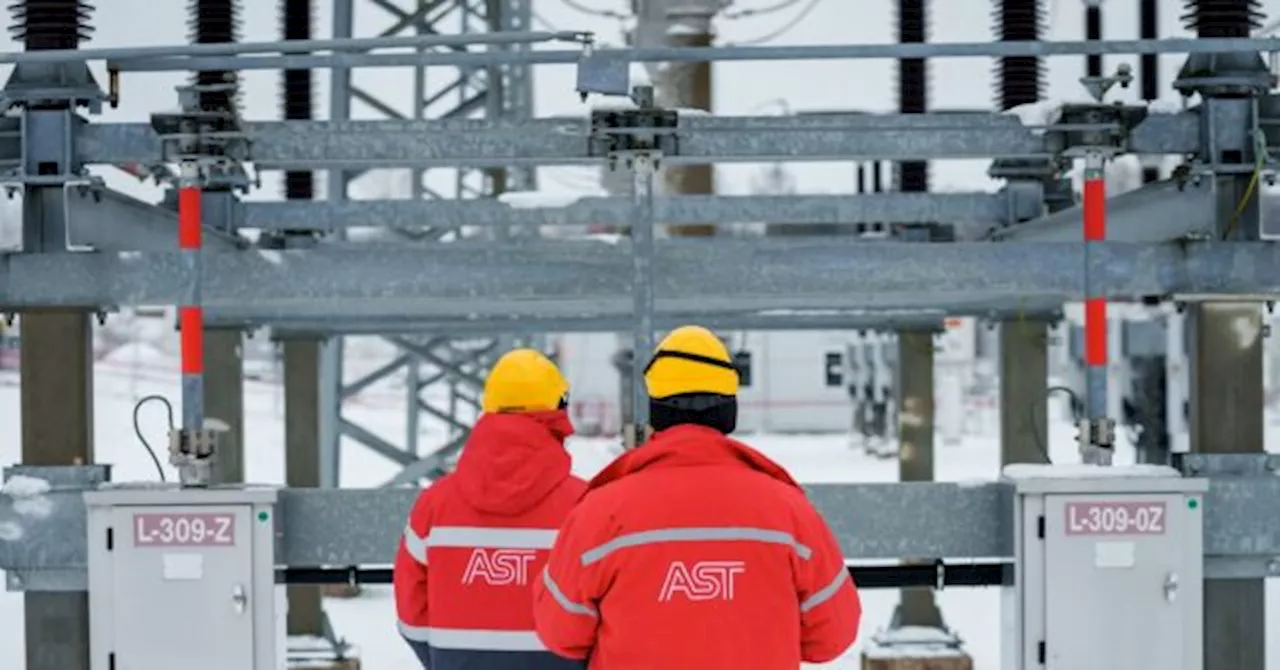 Baltic States Disconnect From Soviet-Era Power Grid to Join European Energy SystemSource of breaking news and analysis, insightful commentary and original reporting, curated and written specifically for the new generation of independent and conservative thinkers.
Read more »