
Brandon is the space/physics editor at Live Science. His writing has appeared in The Washington Post, Reader's Digest, CBS.com, the Richard Dawkins Foundation website and other outlets. He holds a bachelor's degree in creative writing from the University of Arizona, with minors in journalism and media arts.
The ultimate action-packed science and technology magazine bursting with exciting information about the universeEngaging articles, amazing illustrations & exclusive interviewsAn illustration of a large asteroid approaching Earth.
The building-size asteroid 2024 YR4 has a roughly 2.3% chance of hitting our planet in 2032.in the coming months. The building-size space rock was discovered hurtling through our solar system by NASA's Asteroid Terrestrial-impact Last Alert System in December 2024 and currently sits atop the agency's asteroid watch list, with a roughly 1-in-43 chance of impacting our planet in December 2032.Astronomers estimate that the asteroid measures roughly 180 feet across, making it about as wide as the Leaning Tower of Pisa is tall. An impact from such a rock wouldn't trigger a mass extinction like the much larger, dino-snuffingHowever, 2024 YR4's current size is just an estimate based on ground-telescope data. Stifled by Earth's atmosphere, these telescopes see only the sunlight reflected off of the asteroid's surface, which paints a limited picture of its actual size, according to ESA. The space rock could, in fact, be significantly larger than it seems."In general, the brighter the asteroid, the larger it is, but this relationship strongly depends on how reflective the asteroid's surface is," ESA officials wrote in the blog post, which was shared Monday ."2024 YR4 could be 40 m across and very reflective, or 90 m across and not very reflective. "It is very important that we improve our size estimate for 2024 YR4: the hazard represented by a 40 m asteroid is very different from that of a 90 m asteroid," ESA added.Get the world’s most fascinating discoveries delivered straight to your inbox.Receive email from us on behalf of our trusted partners or sponsors An illustration of the James Webb Space Telescope in orbit, where it can detect the heat emissions of near-Earth asteroids unhampered by our planet’s atmosphere.instruments will study the heat emitted by the asteroid itself, helping to constrain its true size and surface composition. The space-based JWST will also have a much clearer view of the asteroid compared with its ground-based counterparts, which must peer through the obscuring veil of our planet's atmosphere to observe near-Earth objects. ( 'Like nothing we've seen before': James Webb telescope spies a mysterious asteroid-comet hybrid lurking past Jupiter JWST will first observe 2024 YR4 in March as the asteroid reaches its peak brightness, according to ESA. In May, the telescope will observe the asteroid again as it zooms far away from the sun — the final viewing opportunity for this space rock until its next close approach comes in 2028.through a competitive proposal process. The upcoming asteroid observations will come out of JWST's"director's discretionary time," a small stash of research hours reserved for time-sensitive observations that can't wait for the next year's proposal process. All data from the observations will be made publicly available upon release. Brandon is the space/physics editor at Live Science. His writing has appeared in The Washington Post, Reader's Digest, CBS.com, the Richard Dawkins Foundation website and other outlets. He holds a bachelor's degree in creative writing from the University of Arizona, with minors in journalism and media arts. He enjoys writing most about space, geoscience and the mysteries of the universe.Watch potential 'city-killer' asteroid 2024 YR4 as it hurtles through space
United States Latest News, United States Headlines
Similar News:You can also read news stories similar to this one that we have collected from other news sources.
 Asteroid 2024 YR4: Potential Threat to Earth in 2032A recently discovered asteroid, 2024 YR4, poses a potential threat of colliding with Earth in 2032. While a global impact is unlikely, the asteroid could cause significant damage upon impact. NASA is monitoring the asteroid's trajectory closely.
Read more »
 Potentially Hazardous Asteroid 2024 YR4: A Close Call?A newly discovered asteroid, 2024 YR4, has raised concerns due to its size and potential trajectory. While the odds of an impact in 2032 are currently low, astronomers are closely monitoring its path and gathering more data.
Read more »
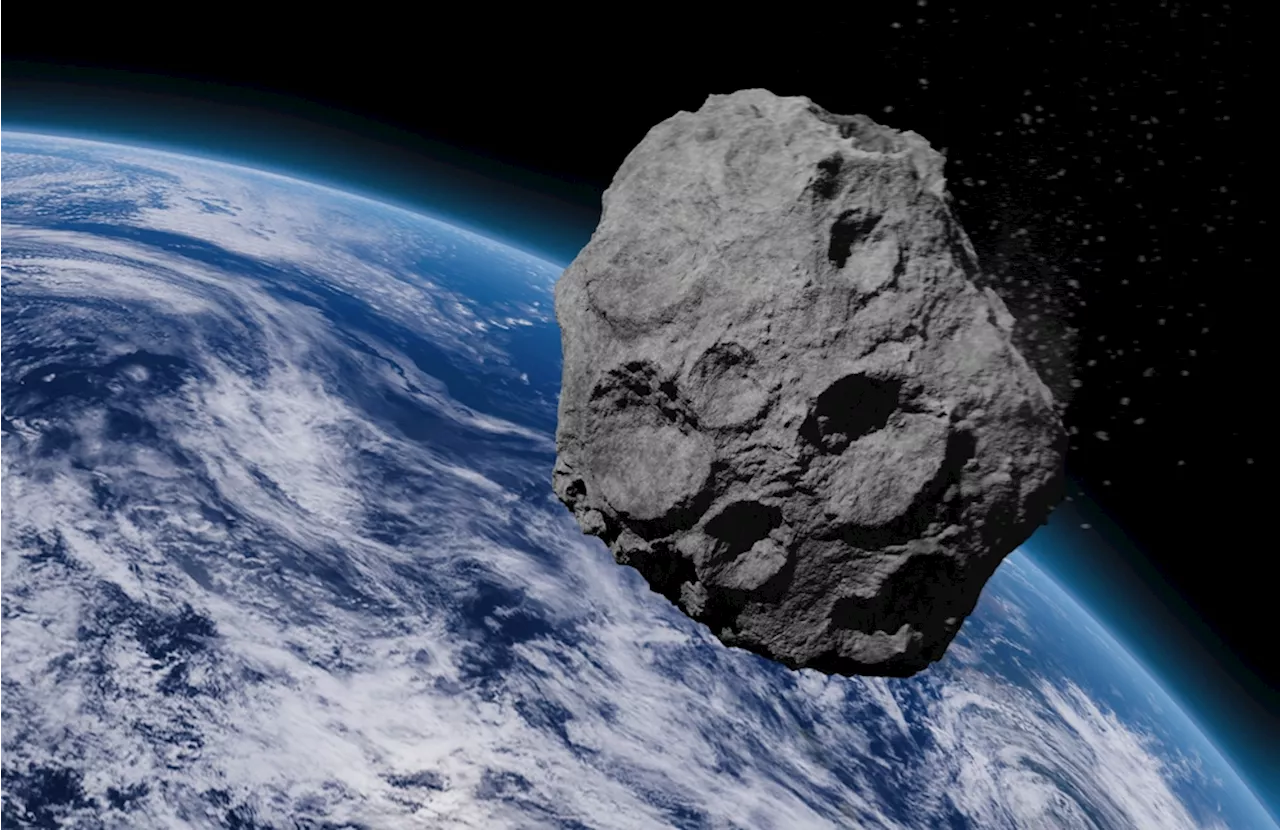 2024 YR4 Asteroid: A 1% Chance of Impact in 2032Scientists are monitoring asteroid 2024 YR4, which has a 1.2% chance of impacting Earth on December 22, 2032. This makes it the only near-Earth asteroid with an impact probability above 1% out of over 37,000 known asteroids. The asteroid was discovered in December 2024 and is currently classified at Level 3 on the Torino Scale, indicating a 'Meriting Attention' threat.
Read more »
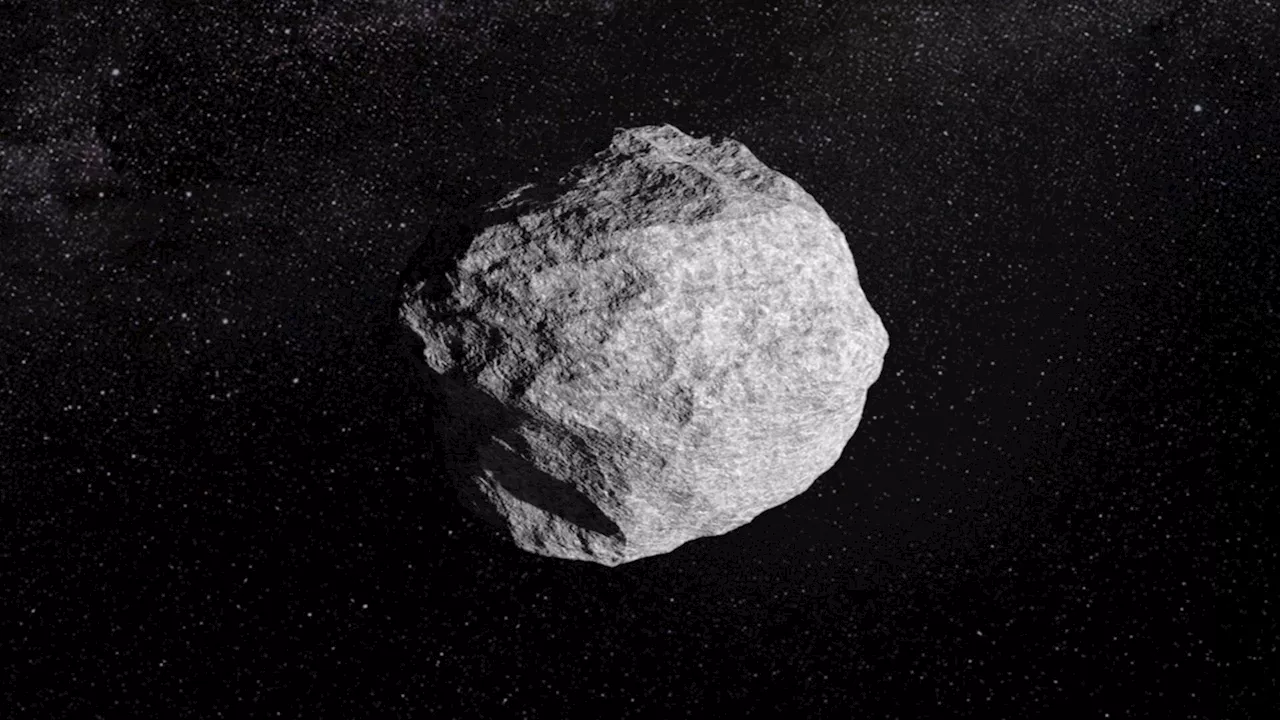 Asteroid 2024 YR4: City Killer Risk?Astronomers have detected an asteroid, 2024 YR4, with a greater than 1% chance of impacting Earth. While this 'city killer' asteroid wouldn't cause mass extinction, it could devastate heavily populated areas. The Torino Scale rates the asteroid's risk at a 3, triggering international efforts to monitor its trajectory and potentially develop a deflection mission.
Read more »
 Near Earth Asteroid 2024 YR4 Has Slight Chance of Collision in 2032A newly detected asteroid, 2024 YR4, has a greater than one percent chance of colliding with Earth in about eight years. While scientists are not panicking, they are closely monitoring the object. A city-level devastation is possible depending on the impact site. Experts say there is still enough time to prepare and explore deflection strategies.
Read more »
 Asteroid 2024 YR4 Poses Potential Threat to Earth in 2032Experts are closely monitoring an asteroid that has a small chance of impacting Earth in 2032. While the risk is currently assessed as low, NASA emphasizes that the probability of collision may fluctuate as more data becomes available.
Read more »