Upon taking the throne in 1952, Queen Elizabeth II inherited millions of subjects around the world, many of them unwilling. Today, in the British Empire's former colonies, her death brings complicated feelings, including anger.
In Kenya, where decades ago a young Elizabeth learned of her father’s death and her enormous new role as queen, a lawyer named Alice Mugo shared online a photograph of a fading document from 1956. It was issued four years into the queen’s reign, and well into Britain’s harsh response to the Mau Mau rebellion against colonial rule.
“Movement permit,” the document says. While over 100,000 Kenyans were rounded up in camps under grim conditions, others, like Mugo’s grandmother, were forced to request British permission to go from place to place. “Most of our grandparents were oppressed,” Mugo tweeted in the hours after the queen’s death Thursday. “I cannot mourn.” But Kenya’s outgoing president, Uhuru Kenyatta, whose father, Jomo Kenyatta, was imprisoned during the queen’s rule before becoming the country’s first president in 1964, overlooked past troubles, as did other African heads of state. “The most iconic figure of the 20th and 21st centuries,” Uhuru Kenyatta called her. Anger came from ordinary people. Some called for apologies for past abuses like slavery, others for something more tangible.“This commonwealth of nations, that wealth belongs to England. That wealth is something never shared in,” said Bert Samuels, a member of the National Council on Reparations in Jamaica. Elizabeth’s reign saw the hard-won independence of African countries from Ghana to Zimbabwe, along with a string of Caribbean islands and nations along the edge of the Arabian Peninsula. Some historians see her as a monarch who helped oversee the mostly peaceful transition from empire to the, a voluntary association of 56 nations with historic and linguistic ties. But she was also the symbol of a nation that often rode roughshod over people it subjugated. Cyprus 1957 - Violence flares anew as angry Turks take revenge for the slaying of a Turk policeman. they set seventy fires in the Greek section of Nicosia before British troops clear the streets. There were few signs of public grief or even interest in her death across the Middle East, where many still hold Britain responsible for colonial actions that drew much of the region’s borders and laid the groundwork for many of its modern conflicts. On Saturday, Gaza’s Hamas rulers called on King Charles III to “correct” British mandate decisions that they said oppressed Palestinians.In ethnically divided Cyprus, many Greek Cypriots remembered the four-year guerrilla campaign waged in the late 1950s against colonial rule and the queen’s perceived indifference over the plight of nine people whom British authorities executed by hanging. Yiannis Spanos, president of the Association of National Organization of Cypriot Fighters, said the queen was “held by many as bearing responsibility” for the island’s tragedies.India is renewing its efforts under Prime Minister Narendra Modi to remove colonial names and symbols. The country has long moved on, even overtaking the British economy in size.“I do not think we have any place for kings and queens in today’s world, because we are the world’s largest democratic country,” said Dhiren Singh, a 57-year-old entrepreneur in New Delhi. There was some sympathy for the Elizabeth and the circumstances she was born under and then thrust into. India 1947 - In these rare pictures of the famed Hindu, Mahatma Gandhi conducts his evening prayer, a regular feature of the holy man's daily life. Hundreds come to watch and listen as he reads from holy books. In Kenya’s capital, Nairobi, resident Max Kahindi remembered the Mau Mau rebellion “with a lot of bitterness” and recalled how some elders were detained or killed. But he said the queen was “a very young lady” then, and he believes someone else likely was running British affairs. “We cannot blame the queen for all the sufferings that we had at that particular time,” Kahindi said. Timothy Kalyegira, a political analyst in Uganda, said there is a lingering “spiritual connection” in some African countries, from the colonial experience to the Commonwealth. “It is a moment of pain, a moment of nostalgia,” he said. The queen’s dignified persona and age, and the centrality of the English language in global affairs, are powerful enough to temper some criticisms, Kalyegira added: “She’s seen more as the mother of the world.”ADVERTISEMENT “You have contradictory consciousness,” said Maziki Thame, a senior lecturer in development studies at the University of the West Indies in Jamaica, whose prime minister announced duringof Prince William, who is now heir to the throne, and Kate that the island intended to become fully independent. The younger generation of royals seem to have greater sensitivity to colonialism’s implications, Thame said — during the visit, William expressed his “profound sorrow” for slavery.Nadeen Spence, an activist, said appreciation for Elizabeth among older Jamaicans isn’t surprising since she was presented by the British as “this benevolent queen who has always looked out for us,” but young people aren’t awed by the royal family. “The only thing I noted about the queen’s passing is that she died and never apologized for slavery,” Spence said. “She should’ve apologized.”Follow AP stories on Queen Elizabeth II’s death and other stories about the British monarchy at
United States Latest News, United States Headlines
Similar News:You can also read news stories similar to this one that we have collected from other news sources.
 Tributes to Queen Are Tempered by Britain's Bloody Colonial PastNAIROBI, Kenya — Though Queen Elizabeth II was revered by many in Africa, her death also reignited a different sort of conversation — one that touched on the legacy of the British Empire and the brutality the monarchy meted out to people in its former colonies. In a younger generation of Africans growing up in a post-colonial world, some lamented that the queen never faced up to the grim aftermath of colonialism and empire, or issued an official apology. They said they wanted to use the moment t
Read more »
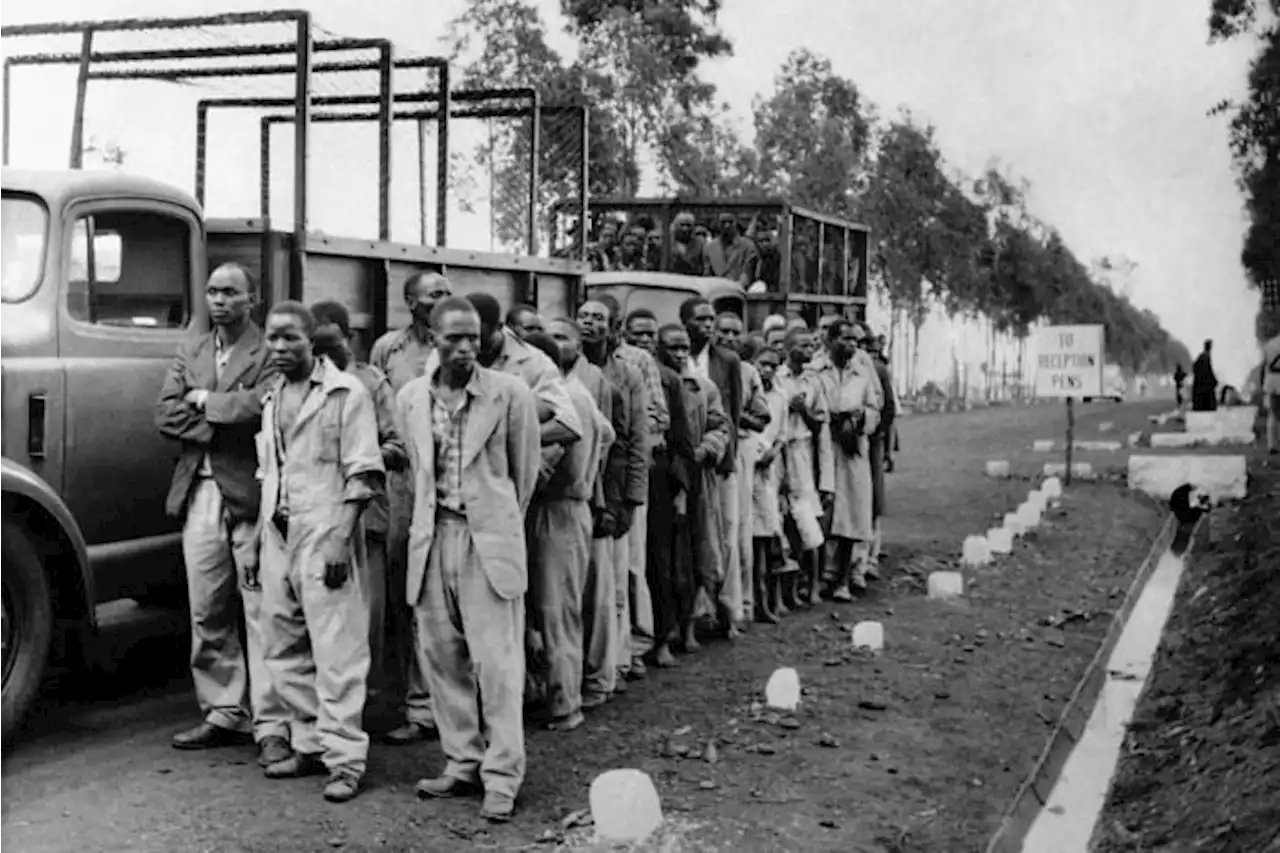 'I cannot mourn': Former colonies conflicted over the queenQueen Elizabeth II inherited millions of subjects around the world Upon taking the throne in 1952.
Read more »
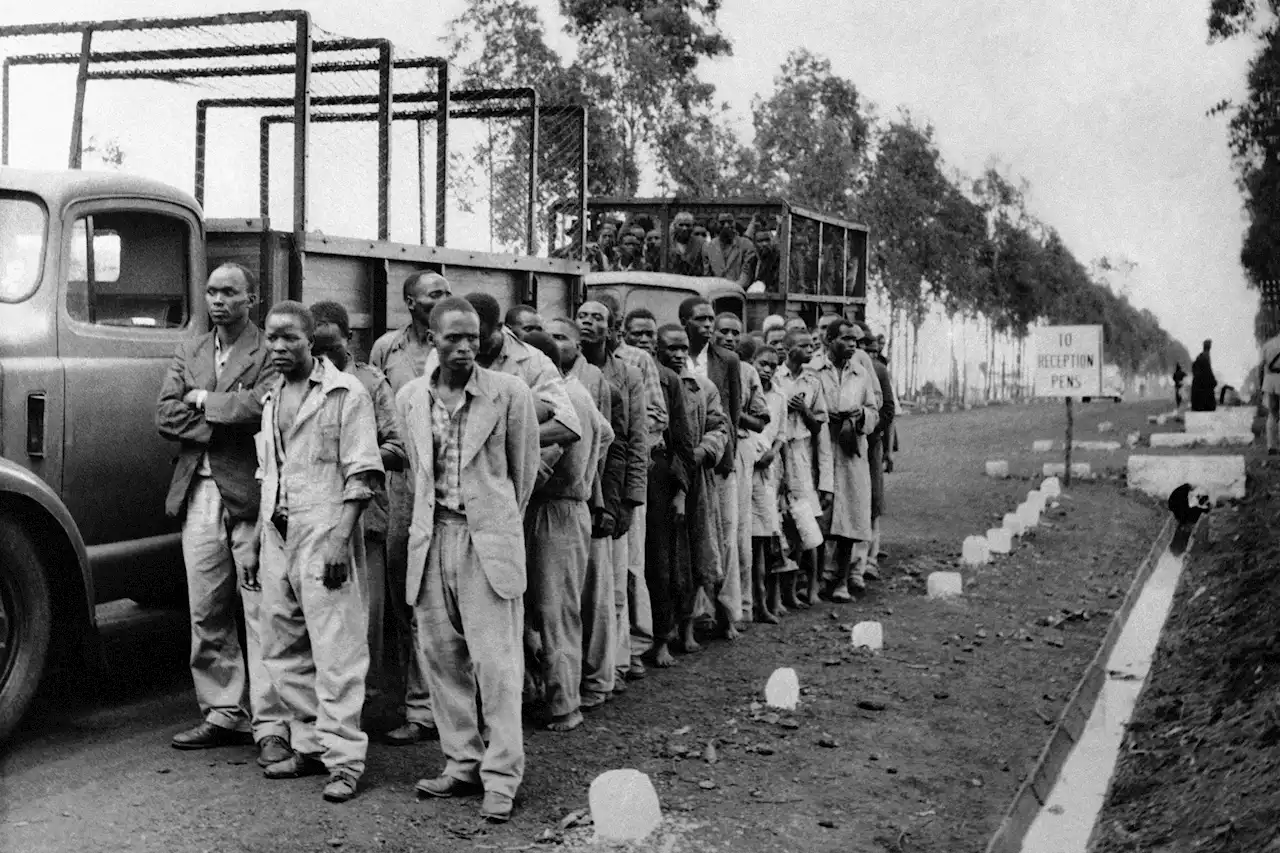 'I cannot mourn': Former colonies conflicted over the queenNAIROBI, Kenya (AP) — Upon taking the throne in 1952, Queen Elizabeth II inherited millions of subjects around the world, many of them unwilling. Today, in the British Empire's former colonies, her death brings complicated feelings, including anger.
Read more »
 'I cannot mourn': Former colonies conflicted over the queenBeyond official condolences, there is some bitterness about the past in Africa, Asia, the Caribbean and elsewhere.
Read more »