The Best in Science News and Amazing Breakthroughs
The human papillomavirus is responsible for the vast majority of cervical cancer cases, but this isn't a sexually transmitted infection that just one half of the population needs to worry about.which put people at high risk of cancer are associated with a greater percentage of dead sperm.
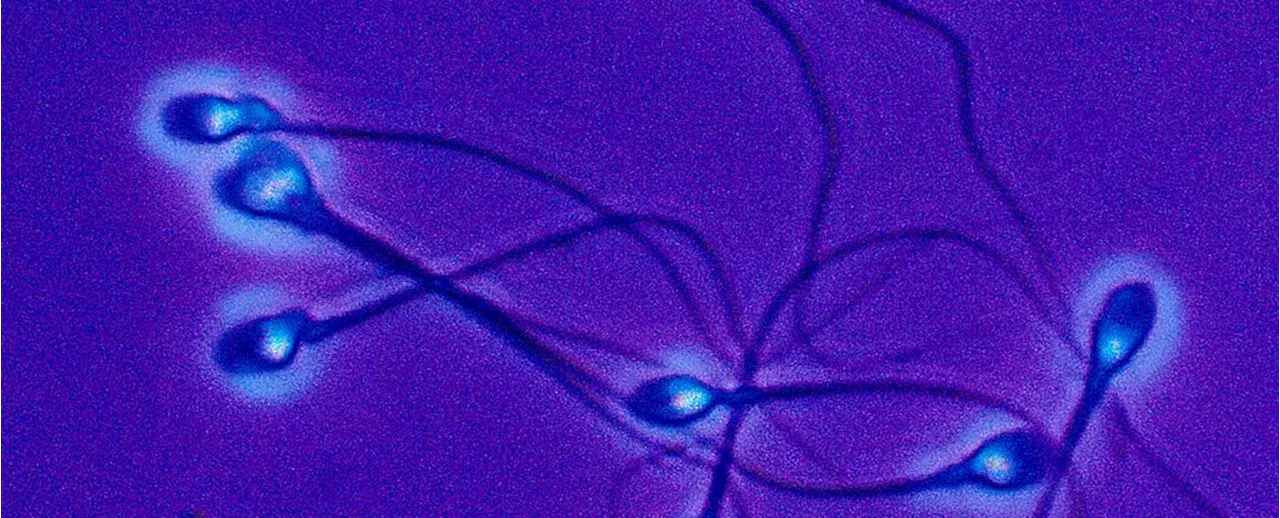
In semen samples from those with high-risk strains, scientists noticed a lower count of white blood cells and an elevation of reactive oxygen species, which can"Here we show that genital HPV infection is very prevalent in men, with variable effects on semen inflammation and sperm quality according to the infecting viral genotype,""Specifically, infections caused by high-risk HPV genotypes appear to have more negative effects on male fertility and the immune system's ability to clear the infection."HPV is known to cause cancer in the penis, anus, mouth, and throat of male patients. Its DNA can be detected at these sites with the right diagnostic tools. But historically, this infection has beenin 2006, it was only approved in the US for young female patients. It took three years before the US Food and Drug Administration also approved the medicine for young male patients, and another two years before the Centers for Disease Control and Prevention's Advisory Committee on Immunization Practices seconded that advice.that the HPV vaccine is included in routine childhood vaccinations for males and females. Yet even still, the"primary target of vaccination is girls aged 9 to 14". Boys are only considered"secondary targets" where"feasible and affordable".with vaccination programs for HPV have included boys in their roll-out. In 2019, about 4 percent of boys globally had received the full course of the vaccine compared to 15 percent of girls.The new research from Argentina offers a new reason. The study analyzed the sperm of 205 adult male volunteers who had not been vaccinated against HPV but who had presented at a urology and male reproductive health clinic. Their semen was tested for the presence or absence of HPV and other STIs. Nearly 20 percent tested positive for HPV, and 20 men had strains that were deemed 'high risk'. Compared to 43 men with no HPV infections, those with high-risk HPV showed some disturbing changes to their semen that weren't picked up by WHO-recommended analysis methods. Using a more sensitive test, Rivero and colleagues found men with high-risk HPV showed increased sperm death, possibly due to oxidative stress and a weakened local immune response. "Our study raises important questions about how high-risk-HPV affects sperm DNA quality and what implications it has for reproduction and offspring health,"that vaccinating everyone against HPV, regardless of their sex,"is the only way" to eradicate this all too common infection and its long-term health consequences.
United States Latest News, United States Headlines
Similar News:You can also read news stories similar to this one that we have collected from other news sources.
 Scientists create material that can take the temperature of nanoscale objectsScientists recently discovered a one-dimensional nanoscale material whose color changes as temperature changes.
Read more »
 Low HPV Vaccination in the United States Is a Public Health 'Failure'Dr Maurie Markman discusses recent data on the disappointing proportion of HPV vaccination coverage in the United States.
Read more »
 Cannabis Use Linked to Epigenetic Changes, Study ShowsThe Best in Science News and Amazing Breakthroughs
Read more »
 Self-swab HPV test set to arrive in doctors' offices this monthThe first tests that allow people to self-collect samples to screen for HPV are set to arrive in doctors' offices and other health care settings later this month.
Read more »
 HPV Self-Screening Kits to Be Available in Coming Weeks Following FDA ApprovalSource of breaking news and analysis, insightful commentary and original reporting, curated and written specifically for the new generation of independent and conservative thinkers.
Read more »
 Move Over, Pap Smears: There’s a New Test for HPV (No Speculum or Stirrups Required)Instead of awkward and uncomfortable Pap smears, the new HPV self-collection tests let you collect your own sample for testing.
Read more »