


 +34

If you're in chronic pain and your relationship is impacted, here are things you can do that can help you gain your loved ones' support.
Denise Mann is a health writer as well as the editorial director for several plastic surgery portals including the Consumer Guide to Plastic Surgery. Her work can be found across several publications such as WebMD, Health, CNN,Michael MacIntyre, MD, is a board-certified general and forensic psychiatrist practicing general psychiatry at the Veterans Affairs Healthcare System in Los Angeles.
Chronic pain, it's there in the morning when you wake up and there in the evening when you go to bed. This constant, but unwelcome companion might take a toll on your relationship as you struggle to understand each other's perspectives on the pain. Female-centric diseases such as endometriosis, fibromyalgia, cystitis, and vulvodynia can cause chronic pain., fibromyalgia affects an estimated 4 million Americans . Frequently, women are told things like the pain is"all in their head"—a message that their partners had sometimes taken to heart as well. Misunderstanding the pain your partner is enduring can lead to significant relationship problems., back pain, arthritis, or some other condition, can have a toxic effect on relationships, especially if one partner is skeptical about the source or the severity of the pain, and the other feels that they aren't receiving the proper understanding and support., the dean of the College of Arts and Sciences and professor of psychology at Gonzaga University, in Spokane."We all want to feel loved and cared for, but if the people around us are not supporting us the way we want them to, we might become resentful and feel like we are entitled to support." Hearing about pain can dampen the mood, and if you're the one in pain, the strongest potential sources of support—your partner, spouse, or kids—may simply tune you out when you talk about it. The good news is thatyou talk about pain matters. There are things you can do that can help you win—not lose—your loved ones' support., Cano and her colleagues followed 106 couples in which one partner had a chronic pain condition, such as arthritis or The researchers found that people in pain who felt entitled to more support from their partners were more likely to have excessive or exaggerated perceptions and thoughts about the extent of their pain and the disability it caused—known as Catastrophizing isn't a healthy or successful coping strategy; in fact, it's associated with higher levels of pain, distress, and depression. It's also associated with passive ways of asking for help—a strategy that tends to backfire as well, according to Cano. "If someone expects other people to provide support but doesn't know how to communicate directly what they would like, that person might express their frustration indirectly by sighing, moaning, or engaging in other behaviors that might seem off-putting to the other person," Cano explained. And if the person in pain doesn't receive the help they want or expect, Cano said, they might react with anger or disappointment, even though "the other person had no idea of what was expected.", a professor of physical medicine and rehabilitation at the University of Michigan, in Ann Arbor, said that in such situations, the person who isn't in pain is likely to respond in kind, especially if they suspect that the other person is exaggerating or even fabricating the pain. "If one partner doesn't believe in the diagnosis, they are more prone to respond in an angry fashion as opposed to more supportive," Geisser said. This cycle of resentment, aversion, and unmet expectations can infect every aspect of a relationship. If spouses in pain consistently feel that they deserve more special care and attention than they are receiving, said Cano, "this mismatch of attitudes can certainly cause problems in couples and can spill over into other areas of disagreement, like financial decisions and decisions about how to spend leisure time." The potential for pain-related discord to spread into the rest of the relationship has been well documented, according to Geisser. "It has been shown that relationships in which one partner has chronic pain tend to be more strained, have more marital distress, more conflict, and a greater likelihood for divorce," Geisser said.If you sense that chronic pain is tearing your relationship apart, it's important to act before things get out of hand.The first step is education, Cano suggested. "Consider treatment as a joint effort," Cano added. "Both partners should try to learn as much as they can about the pain condition and should attend doctors' appointments together to learn about options for treatment."is healthy for the person with pain, for instance, and to what extent the partner in pain should help with housework and physical tasks. , Cano and her fellow researchers discovered that, for distress arising from pain and relationships, the participants preferred couples therapy."It allows couples to talk openly and without defensiveness about how the pain has changed their lives," Cano said.Communication between partners is essential to prevent pain from interfering in a relationship, said Mildred Farmer, MD, an internist, and fibromyalgia specialist formerly at, in St. Petersburg, Fla. And it goes both ways: People who are in pain also need to listen to their partners and make an effort to understand how"Keep lines of communication open with your partner and understand that both partners may have issues with fairness," Dr. Farmer added. "While it doesn't seem fair to have to struggle with pain, watching a loved one struggle with pain is another kind of burden." Communication doesn't just mean speaking, Dr. Farmer said. People in pain should realize that they might be signaling anger or distress "even when think are doing a good job hiding the pain," Dr. Farmer added. "Be aware that you can manifest pain purposefully by talking about your pain, or manifest pain indirectly through facial expression or body language."
Scratch the next story
United States Latest News, United States Headlines
Similar News: You can also read news stories similar to this one that we have collected from other news sources.
 What You Can Do for Your Low Back PainMore than 80% of Americans will experience low back pain at some point in their lives. Find out what you can do to help ease your back problems.
Read more »
 Chronic care issues on HealthyWomen's siteHealthyWomen
Read more »
 The neuroscientist harnessing the placebo effect to help soothe painHow exactly the placebo effect works is still a mystery, but neuroscientist Luana Colloca is working to find the answers in order to change the way we treat pain
Read more »
 Pain Management with AppliedVRExplore virtual reality’s role in the management of chronic pain through immersive psychological and physiological therapy.
Read more »
 How to Keep Your Creativity Alive When You Have a Chronic IllnessIf drawing, painting, writing, or making things is important to you, it can feel awful when mental and physical symptoms get in the way.
Read more »
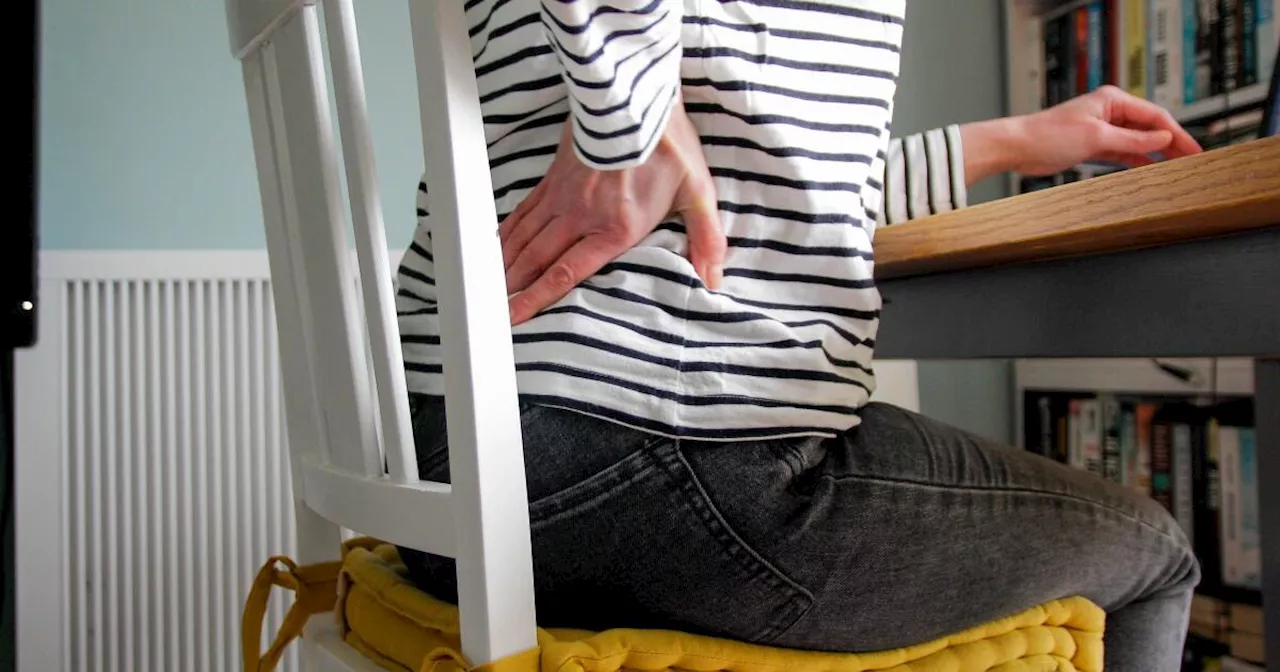 That pain in your back? It's really a pain in your brainMost diagnoses cite a physical cause for chronic pain, but there's robust evidence that it comes from the mind instead.
Read more »