
US researchers are developing wireless charging roads for EVs, enabling in-motion charging and optimizing grid load demand for sustainability.
Researchers at the University of Texas at El Paso are developing a technology that could allow electric vehicles to charge while in motion.A UTEP research team is collaborating with engineers to develop Dynamic Wireless Power Transfer roadways.
The technology embeds transmitter pads in road surfaces, enabling EVs to charge while driving without requiring a wired connection. The UTEP team specifically worked on modeling the load demand on the electrical grid to make the technology work seamlessly. “The field of electrified transportation is evolving, and modeling the load demand on our electrical grid is a very significant part of the work,” said Mandal. “Our research will allow for a comprehensive understanding of new EV charging methods to ensure sustainable use of our transportation infrastructure coupled with power utilities,” said Paras Mandal, a professor at UTEP and the study’s principal investigator, in a statement. Seamless EV chargingInnovative new techniques are being developed to make charging EVs easier as they grow more prevalent on the road; it is predicted that 7.2 million EVs will be sold annually by 2030. Nowadays, the majority of EVs are charged at home electrical outlets or at public charging stations.However, public charging facilities are now scarce, and residential charging technology is frequently slow and electricity-intensive. These restrictions could cause “range anxiety” and prevent EVs from becoming widely used.The UTEP research team is a member of an engineering coalition supported by the Department of Energy and the National Science Foundation that is concentrating on a DWPT highway, a technology for charging EVs while they are in motion. A DWPT roadway would integrate transmitter pads into the road surfaces, enabling EVs to charge while driving without requiring a power outlet.One major challenge to adopting large-scale DWPT networks is to efficiently and accurately develop load demand models to comprehend the complex behavior on the power distribution grid due to the difficulty in developing power electronic simulations for charging systems consisting of either numerous transmitter pads or high traffic volumesAccording to the team, engineers, utilities, and local governments must understand future energy demands, which can be complex due to factors like vehicle size, traffic flow, and roadway length. Dynamic load modelingTo address this challenge, researchers at UTEP have created a new method for analyzing load demand called modified Toeplitz convolution . The proposed method provides precise modeling of DWPT systems, from a few transmitter pads to stretches of road spanning tens of miles , while maintaining a low computational load. Initial tests on a small-scale DWPT system validate its accuracy before applying it to larger networks. For large-scale modeling, real-world traffic flow data is used to analyze DWPT networks covering 2–10 miles .The mathematical model helps engineers predict power consumption by accounting for varying road conditions, vehicle types, and traffic patterns, ensuring a more efficient integration of DWPT into existing infrastructure.Additionally, a comparative analysis is conducted across various scenarios to evaluate the efficiency and accuracy of the proposed method.“This new model will help local and state authorities, as well as utilities, understand what’s involved in implementing DWPT roadways and literally paving the way for more widespread adoption of electric vehicles,” said Kenith Meissner, dean of the College of Engineering at UTEP, in a statement. The details of the team’s study were published in the journal IEEE Access.
Electric Vehicles EV Modified Toeplitz Convolution Sustainability University Of Texas At El Paso UTEP Wireless Charging Roads Wireless EV Charging
United States Latest News, United States Headlines
Similar News:You can also read news stories similar to this one that we have collected from other news sources.
Can You Drive an Electric Car in the Cold?Concerns have been raised about the performance of electric vehicles (EVs) in cold weather, particularly after incidents of drivers waiting for hours at charging stations in frigid temperatures. While EVs do experience reduced battery range and charging efficiency in the cold, experts say these concerns are overblown and proper preparation can ensure a smooth winter driving experience. The article compares the impact of cold weather on EVs and gasoline cars, highlighting that both types of vehicles face performance challenges in freezing conditions.
Read more »
 Live confirmation updates: Trump's transportation nominee says EVs should pay to use roadsTrump’s picks face Senate confirmation hearings for six top administration posts.
Read more »
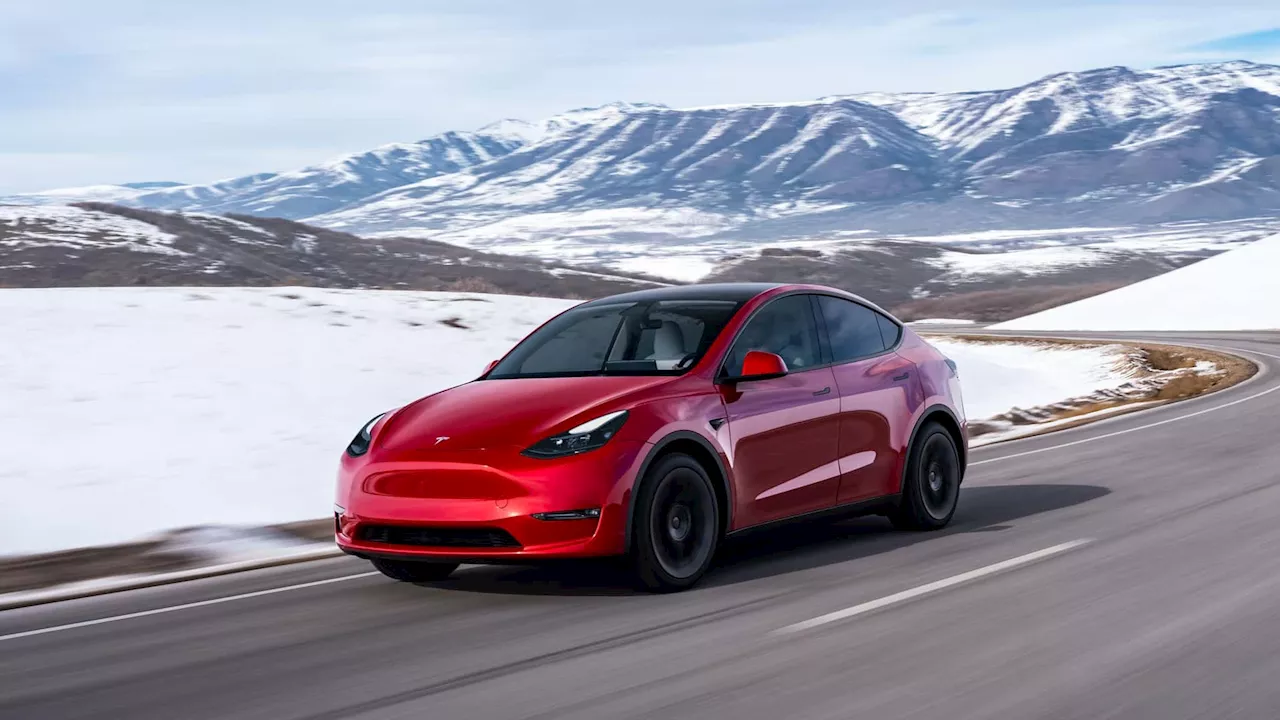 Here’s How Much Range These Popular EVs Lose In The ColdSome EVs can lose over 30% of their range in freezing temperatures compared to ideal conditions. Others maintain over 80%.
Read more »
 Inside the race to 5.0mpkWh: the secrets to long-range EVsManufacturers are honing every detail to close in on an efficiency goal that's transformative for electric cars
Read more »
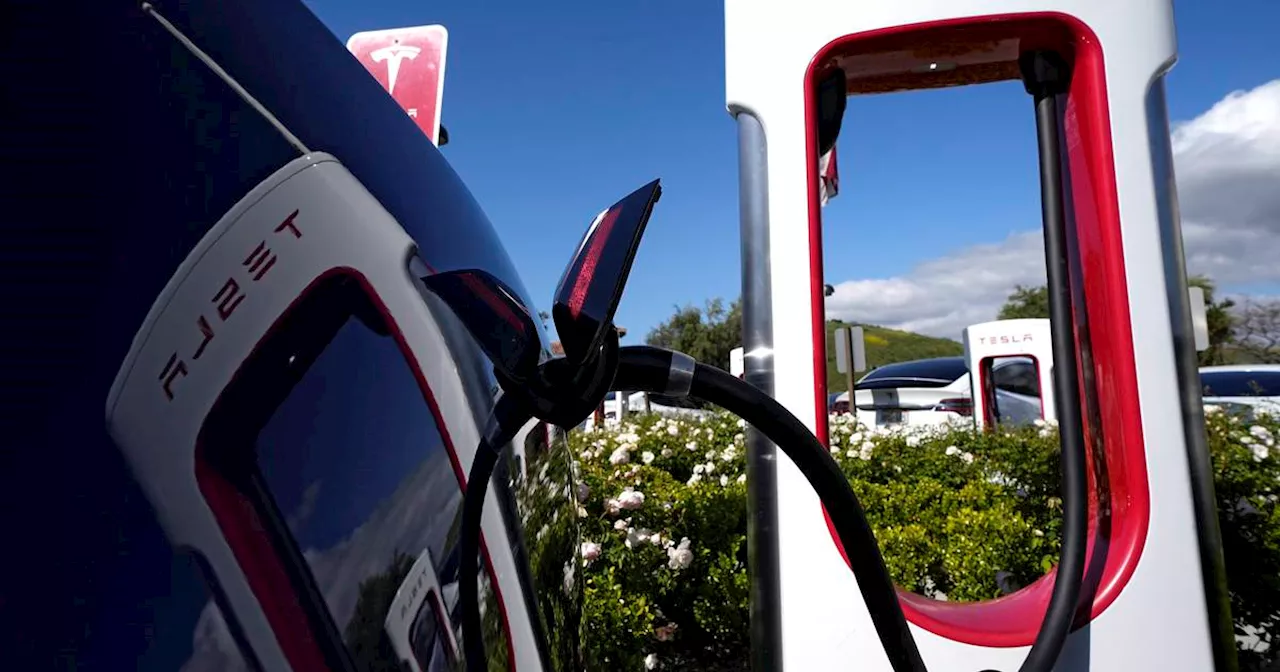 Heat Pumps Boost EV Range in Cold WeatherElectric vehicles (EVs) lose range in cold temperatures due to battery efficiency and cabin heating demands. However, heat pumps, commonly used in buildings for energy-efficient heating, can significantly mitigate this range reduction in EVs. Recurrent data shows that EVs equipped with heat pumps experience half the range loss compared to those relying on traditional electric resistance heaters. While heat pumps are highly effective in moderate cold, their performance diminishes in extreme cold, highlighting the need for further battery technology advancements for optimal performance in all climates.
Read more »
 EVs Lose 20% Range On Average In Freezing Weather, Study FindsSome of the worst performers included the Nissan Leaf, Chevrolet Bolt, and VW ID.4
Read more »