
Almost 400 water systems serving nearly a million Californians don’t meet state requirements for safe and reliable drinking water supplies — and fixing them would cost billions of dollars.
Almost 400 water systems serving nearly a million California ns don’t meet state requirements for safe and reliable drinking water supplies — and fixing them would cost billions of dollars. More than two-thirds of these failing water systems serve communities of color, and more than half are in places strugglingThese water systems failed to provide water “which is at all times pure, wholesome, and potable,” as required.
Some violated drinking waterAbout 913,000 people, as of Jan. 1, were served by the water systems that didn’t meet the requirements, dropping to about 771,000 as of today. Even more Californians, around 1.54 million, got their drinking water from hundreds of water systems considered at risk of failing, the report said — and it rose to more than 1.8 million as of today. Nearly 144,000 wells were threatened by encroaching contaminants and shortages.— from tiny Del Norte County on the Oregon state line to San Diego and Imperial counties near the border with Mexico. They cluster densely in the Central Valley and along the Central Coast,Atlanta mayor pledges to aid businesses harmed by water outages as he looks to upgrade system “It’s a moral outrage. It’s unconscionable in a state that has so many resources that we can’t ensure that everybody has access to the human right to water,” said Kyle Jones, policy and legal director“Folks shouldn’t have to suffer health impacts or added cost to have access to something that most of us take for granted and can get daily.” The price tag for ensuring safe, affordable and accessible water supplies for all Californians is staggering — an estimated $16 billion over the next five years — as the state grapples Without more state or federal funding, most of the total — around $13.9 billion — may fall on local communities and well owners, according to the report. That means some of the people least able to afford it will end up paying more for water. The number of failing systems — and the cost of fixing them — is likely to climb as water suppliers must meet new state and federal standards for, director of UCLA’s Human Right to Water Solutions Lab, who commended the water board’s transparency and extensive analysis. “The state just needs to put its money where its mouth is.”to recognize clean, safe, affordable and accessible drinking water as a human right. Today about 98% of Californians are served by water systems that meet state standards. Yet despite California’s reputation as an economic powerhouse and climate leader, the state has long struggled to ensure safe drinking water for all — especially those in rural, disadvantaged communities. Californians relying on household wells, for instance,The list of failing water systems typically hovers between 380 and 400, state officials said. And nearly every year, with only a couple of exceptions, more water systems have been added to the “failing” list than removed. Still, about 283, or 42% of 715 systems that were on the list, came off between 2017 through 2023. About 700,000 more people have safe water than in 2019, according to the water board.two years ago. It “has funding available to help these failing systems improve the quality of their drinking water. Nonetheless, the board has generally demonstrated a lack of urgency in providing this critical assistance,” the auditor said. Kristyn Abhold, a senior environmental scientist at the water board who led today’s report, said infrastructure takes time. “It’s not just the funding side, but it’s the planning. It’s the engineering reports, the community engagement, it’s getting the right permits in place,” she said. The cost estimates have risen about $1.1 billion, or about 26%, since a 2021 assessment for failing and at-risk public water systems, and $3.6 billion for high-risk private, household wells and small water systems that serve only a handful of customers — a 264% increase, said Jackie Carpenter, a water board spokesperson. Part of the increase is due to inflation, Abhold said. Some is because the latest analysis favors long-term, higher-cost fixes, such as merging struggling water systems with more secure ones nearby. And some is because the analysis now includes water systems and household wells at risk for shortages, rather than just ones grappling with poor water quality. The water board projects that it can cover about $2 billion of the $15.9 billion estimated cost with grants — leaving $13.9 billion to be shouldered by water suppliers and well owners, including those that are least financially able to weather such a blow. Smaller systems already charge about $32 more a month than larger ones, according to the report, and about 13% of community water systems face medium to high affordability burdens. Two years ago, Gov. Gavin Newsom vetoed a bill to establish a program to help low income Californians pay for water because State officials said drinking water programs have largely escaped the major funding cuts in the latest budget deal: While more than $152 million from the general fund from drinking water and wastewater was cut, nearly $225 million from cap and trade proceeds was included. “In sum, we do not anticipate a net reduction in funding available for drinking water projects,” said water board spokesperson Dimitri Stanich.The funding gap identified in the report “is huge, particularly given how little the program will receive over the next two years,” said Jennifer Clary, California director of Clean Water Action. Clary advocated for drinking water funding in a climate bond that is still being negotiated. “Drinking water infrastructure isn’t a luxury item. Without these projects, thousands of Californians will continue to lack access to safe and clean drinking water.”
California San Diego General News CA State Wire U.S. News Mexico N Oregon U.S. News
United States Latest News, United States Headlines
Similar News:You can also read news stories similar to this one that we have collected from other news sources.
 VIDEO: Trans Runner Takes Girls Title in 400-Meter Dash at Washington State High School ChampionshipsSource of breaking news and analysis, insightful commentary and original reporting, curated and written specifically for the new generation of independent and conservative thinkers.
Read more »
 Teen survives 400-foot fall from canyon in Washington stateDeon J. Hampton is a national reporter for NBC News.
Read more »
 Dow Jones Industrial Average tumbles almost 400 points on WednesdayThe Dow Jones Industrial Average (DJIA) is broadly lower on Wednesday, shedding nearly 400 points and backsliding into 38,500.00.
Read more »
 New water-based heat pump delivers 400% more heat than the energy it usesThis eco-friendly heat pump offers a sustainable and versatile heating solution, saving energy costs and reducing carbon emissions.
Read more »
 Drinking on an empty stomach isn't a drinking hack, it's a disordered habit.Drinking on an empty stomach isn't a drinking hack—it's a disordered habit.
Read more »
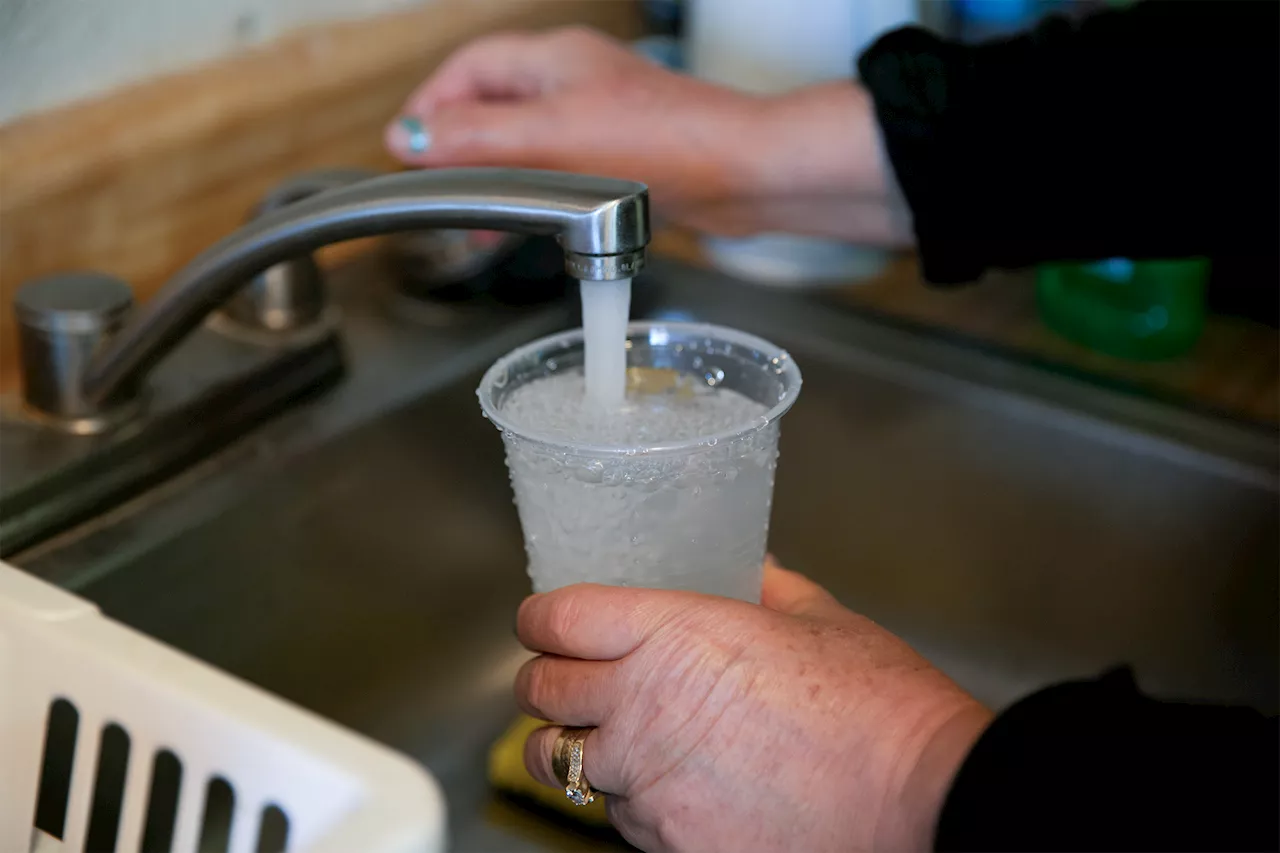 Drinking water of almost a million Californians fails to meet state requirementsAlmost 400 suppliers, two-thirds in communities of color, don’t meet safety and reliability standards. Fixing them would cost billions.
Read more »