
Explore the trending practice of cycle syncing workouts and understand its potential benefits and drawbacks. Learn how your menstrual cycle phases may influence your exercise routine and whether scientific evidence supports this approach.
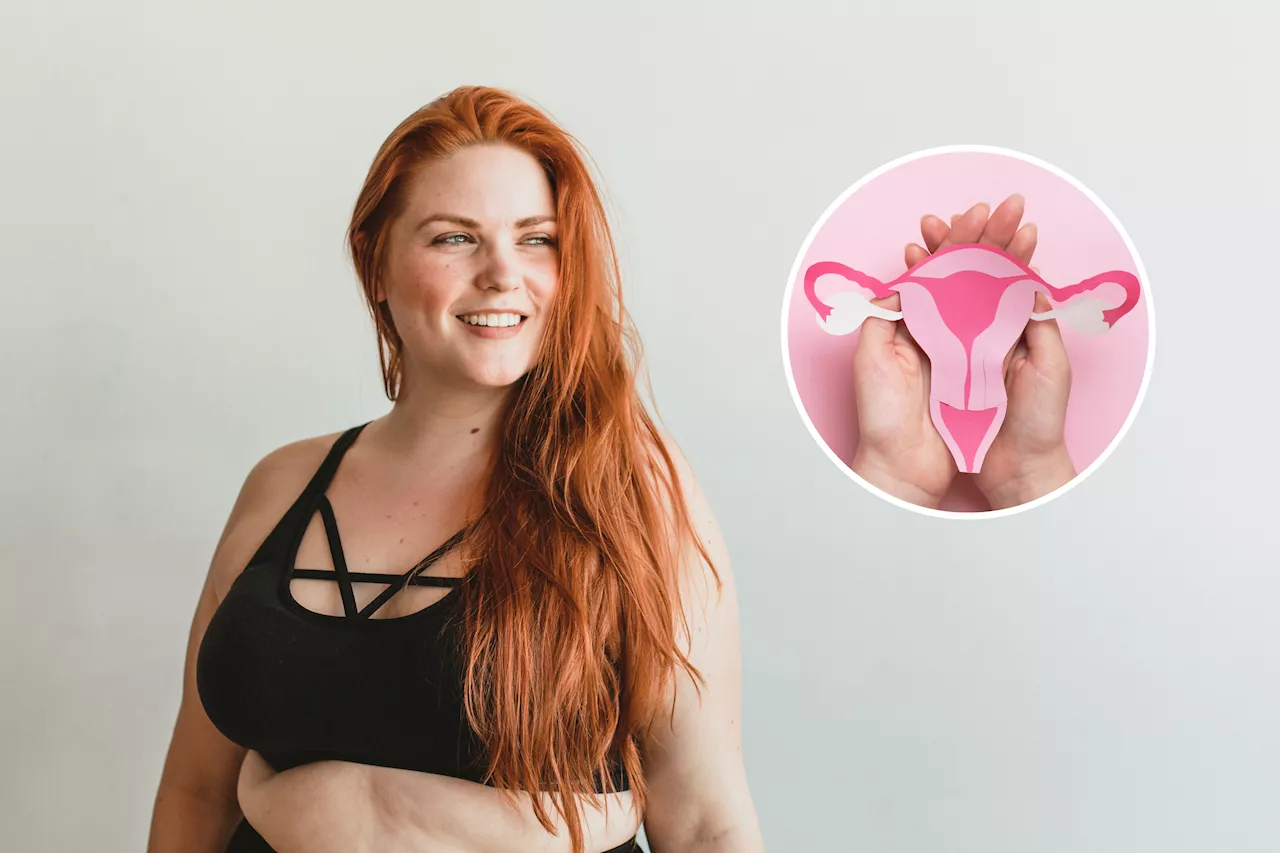
If you get a period, you may have noticed that your body feels...different...at various points in your monthly cycle. Some days, you might feel charged up and ready to go, while others, you’re moving in slow motion. It would make sense that this ebb and flow might impact how you show up to tackle your fitness routine, too. That’s the idea behind cycle-syncing workouts, or the practice of changing up your exercise routine according to what phase you’re at in your menstrual cycle .
In theory, it seems solid: If hormones change throughout the month, why shouldn’t your workouts? Advocates of the practice say it comes with a range of benefits, from improving performance and recovery to decreasing cycle-related symptoms and fatigue. Some professional athletes (like Ironman World Champion Laura Philipp) have spoken publicly about factoring their cycle into training, and even the US Women’s National Team, led by sports scientist Dawn Scott, famously leveraged it en route to their 2019 World Cup win. Over the last few years, the concept has become a trendy wellness topic, even prompting dedicated cycle-syncing apps, workout programs from Nike, Obé, and Alo Moves, and tens of thousands of posts on TikTok. The thing is, the science isn’t quite there, and as a result, experts aren’t exactly jumping to endorse it. Curious about cycle syncing? Here’s everything you need to know. What a cycle-synced workout routine might look like The menstrual cycle can be divided into two main phases: follicular, the first half of the cycle when you menstruate and an ovary gets ready to release an egg; and luteal, the second half when your body prepares for a potential pregnancy. Ovulation is essentially the turning point in between, Janet Choi, MD, a double-board certified reproductive endocrinologist and ob-gyn, and the Chief Medical Officer of Progyny, tells SELF. In the context of cycle syncing, many people break the menstrual cycle down into four distinct parts: menstruation, follicular, ovulation, and luteal. Cycle-based workout routines hinge on the changes that happen during each phase to guide exercise intensity throughout the month. Because the method isn’t yet supported by a lot of science, the recommendations on how to sync your workouts to your cycle vary. In general, proponents of the practice suggest something like this: Menstruation (~Day 1-5): Light workouts like walking, stretching, mobility, and active recovery. Menstruation (i.e., your period) happens at the beginning of the follicular phase, and it’s characterized by low hormone levels, particularly estradiol (a type of estrogen), Dr. Choi says. As a result, during this time, you may experience fatigue and decreased energy. You may also deal with period-related symptoms like cramps, nausea, or headaches, which could keep you from wanting to do high-intensity workouts or going all-out in the gym. Follicular (~Day 5-14): Moderate- to high-intensity workouts, like running, dance cardio, or weightlifting. After your period ends and the follicular phase progresses, estradiol levels slowly rise, Dr. Choi says. You might find yourself with more and more energy as you approach ovulation, making it a potentially good time to ramp up your workout intensity. Ovulatory (~Day 14): High-energy or strenuous workouts, like running, dance cardio, or weightlifting. Hormone levels, including estradiol, peak around ovulation, Dr. Choi says. At this point in the cycle, many menstruators notice increased energy, improved mood, and heightened creativity, she says—in theory, making it a great time to challenge yourself and go for that PR. Luteal (~Day 14-28): Somewhat gentler exercise, like Pilates, yoga, walking, or steady-state cardio. “Following ovulation, estrogen levels start to decline while progesterone levels rise, peaking about a week post-ovulation,” Dr. Choi says. During this phase—and especially as you approach your next period and deal with potential PMS symptoms—you may experience lower energy, sleep disturbances, and possible mood changes, Dr. Choi says. For this reason, you may feel like dialing back on your workout intensity at this time. An important caveat: Though a 28-day cycle is considered “typical,” menstrual cycles can vary from person to person and month to month. In fact, one 2019 study of more than 600,000 menstrual cycles found that only 13% were 28 days long and that, for the majority of menstruators, ovulation didn’t occur on day 14. Not to mention, if you use hormonal contraception, these same fluctuations don’t apply since it interrupts normal hormonal cycling, Liz Joy, MD, MPH, FACSM, chief medical officer of Lore Health and past-president of both the American College of Sports Medicine and the Female and Male Athlete Triad Coalition, tells SELF. For some exercisers, cycle syncing is less about following a strict plan and more about tuning into your body’s need
CYCLE SYNCING FITNESS MENSTRUAL CYCLE WORKOUTS HORMONES PERFORMANCE RECOVERY PMS
United States Latest News, United States Headlines
Similar News:You can also read news stories similar to this one that we have collected from other news sources.
 Google May Soon Allow Wi-Fi-Free Notification Syncing on Pixel DevicesA hidden toggle in the Google Device Connectivity Service app hints at an upcoming feature that would enable Pixel users to sync notifications even without Wi-Fi connectivity.
Read more »
 Cycle Syncing: A Holistic Approach to Women's Self-CareCycle syncing is gaining popularity as women adapt their routines to their menstrual cycle. Experts explain the benefits of aligning lifestyle choices with hormonal fluctuations, emphasizing improved well-being and productivity throughout each phase.
Read more »
 America's Political Whiplash: A Cycle of Presidential ReversalThe US faces a new era of political inconsistency as presidents engage in a multi-year cycle of reversing each other's policies, leaving a trail of uncertainty and instability in their wake.
Read more »
 Cycle of coral bleaching on the Great Barrier Reef now at 'catastrophic' levelsMarine scientists highlights the complex interplay between heat stress, disease onset and coral mortality. They found that 66 percent of the colonies were bleached by February 2024 and 80 per cent by April.
Read more »
 TRY: Attractive carry despite cutting cycleThe Central Bank of Turkey (CBT) is scheduled to meet today, the first time since the start of the cutting cycle in December, ING’s FX analyst Frantisek Taborsky notes.
Read more »
 Luminar Mobile 2.2 Adds RAW Editing and iCloud Syncing to iPhone, iPad, and Vision ProLuminar Mobile, the AI-powered photo editing app, has received a significant update with version 2.2, introducing RAW image editing support and iCloud syncing across iPhone, iPad, and Vision Pro.
Read more »