
A ceasefire deal has been reached between Israel and Hamas, ending the ongoing conflict that has resulted in significant casualties on both sides. The agreement promises the release of dozens of hostages held by Hamas in Gaza and hundreds of Palestinian prisoners in Israel. It will also allow the return of hundreds of thousands of Palestinians displaced in Gaza and facilitate the delivery of much-needed humanitarian aid. Details are still being finalized, but the ceasefire is expected to go into effect on Sunday.
Three officials from the U.S. and one from Hamas confirmed that a deal had been reached, while a senior Israel i official said details are still being ironed out. ockets fired from Gaza and intercepted by Israel 's Iron Dome anti-missile system over Israel i skies are seen from Gaza City in 2023.
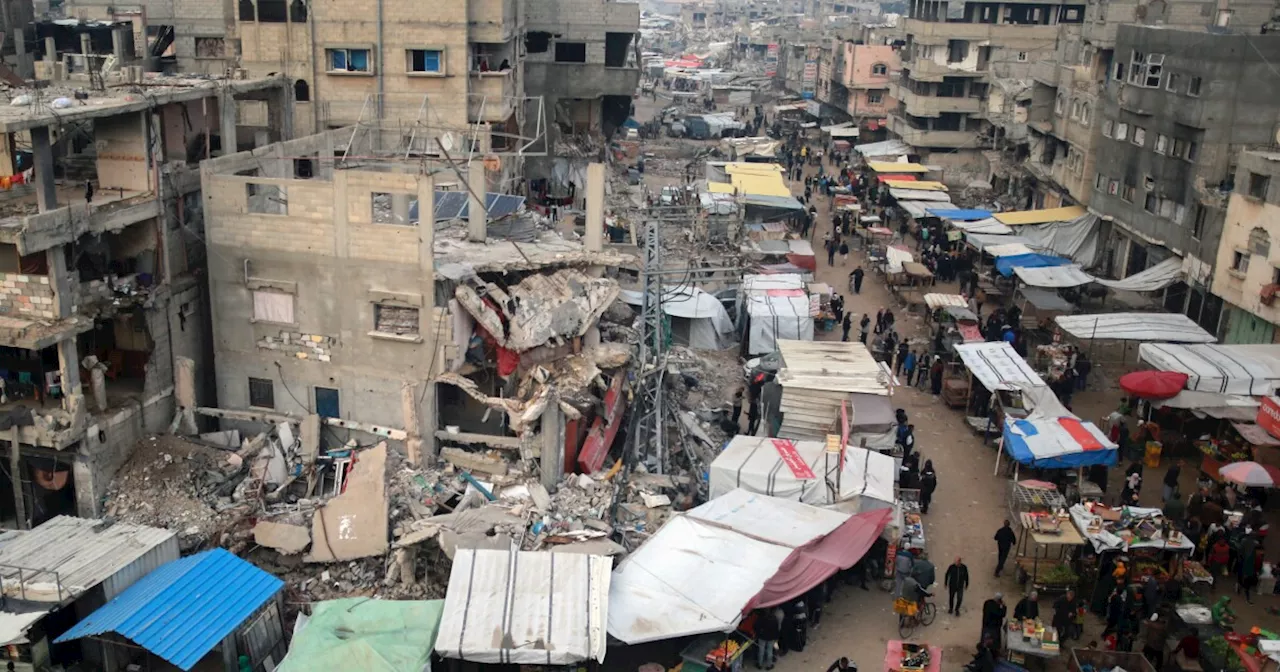
promises the release of dozens of hostages held by militants in Gaza and hundreds of Palestinian prisoners in Israel, and it will allow hundreds of thousands of people displaced in Gaza to return to what remains of their homes. It also will flood desperately needed humanitarian aid intoThe prime minister of Qatar, Sheikh Mohammed bin Abdulrahman Al Thani, said the ceasefire would go into effect on Sunday and that its success would depend on Israel and Hamas “acting in good faith in order to ensure that this agreement does not collapse.” He spoke in the Qatari capital of Doha, the site of weeks of painstaking negotiations.from Washington, saying the ceasefire will stay in place as long as Israel and Hamas remain at the negotiating table over a long-term truce. Biden credited months of “dogged and painstaking American diplomacy” for landing the deal, while noting that his administration and President-elect Donald Trump’s team had been “speaking as one” in the latest negotiations. Israeli Prime Minister Benjamin Netanyahu has not commented on the announcement. His office said in a statement that the last details were still being ironed out and that it hoped they “will be finalized tonight.” An Israeli official familiar with the talks who spoke on condition of anonymity said those details center on confirming the list of Palestinian prisoners who are to be freed. Any agreement must be approved by Netanyahu’s Cabinet. Netanyahu’s silence may be connected to domestic politics. His governing coalition depends on the support of two hardline factions whose leaders have threatened to leave the government over the planned release of Palestinian prisoners. Although opposition leaders have vowed to support the ceasefire deal, the loss of his hardline allies could lead to the collapse of the coalition and trigger early elections. Israeli President Isaac Herzog called on Netanyahu’s government to approve the ceasefire in a nationally televised speech. Hamas said in a statement that the ceasefire was “the result of the legendary resilience of our great Palestinian people and our valiant resistance in the Gaza Strip.” Once the first phase of the deal takes effect, it is expected to deliver an initial six-week halt to fighting along with the opening of negotiations on ending the war altogether. Over those six weeks, 33 of the nearly 100 hostages are to be reunited with their loved ones after months in captivity with no contact with the outside world, though it’s unclear if all are alive. It remained unclear exactly when and how many displaced Palestinians would be able to return to their homes and whether the agreement would lead to a complete end to the war and the full withdrawal of Israeli troops from Gaza — key Hamas demands for releasing the remaining captives.remain, including who will rule the territory or oversee the daunting task of reconstruction after a brutal conflict that has Hamas triggered the war with its Oct. 7, 2023, cross-border attack, which killed some 1,200 in Israel and took 250 others hostage. Israel responded with a fierce offensive that has killed over 46,000 Palestinians, according to local health officials, who do not distinguish between civilians and militants but say women and children make up more than half of those killed.The U.S., along with Egypt and Qatar, have brokered months of indirect talks between the bitter enemies that finally culminated in this latest deal. It comes after Israel and the Lebanese militant group HezbollahU.N. and international relief organizations estimate that some 90% of Gaza’s 2.3 million people have been displaced, often multiple times. They say tens of thousands of homes have been destroyed and hospitals are barely functioning. Experts have warned that Abed Radwan, a Palestinian father of three, called the ceasefire deal “the best day in my life and the life of the Gaza people ... Thank God. Thank God.” Radwan, who has been displaced from the town of Beit Lahiya for over a year and shelters in Gaza City, said he hopes to return and to rebuild his home. As he spoke to AP by phone, his voice was overshadowed by the celebrations of fellow Gazans.In Israel, hundreds of demonstrators gathered outside Israel’s military headquarters in Tel Aviv, calling for a deal to be completed. Many held posters of hostages held by Hamas, others hoisted candles in the air. As the deal was announced, some people were unaware that it had gone through. Sharone Lifschitz, whose father Oded is being held in Gaza, told the AP by phone she was stunned and grateful but won’t believe it until she sees all the hostages come home.The Hostage Families Forum, which has long pressed Israeli leaders to make a deal that would bring the captives home, said it welcomed Wednesday’s announcement with joy and relief. “After 460 days of our family members being held in Hamas tunnels, we are closer than ever to reuniting with our loved ones,” the group said in a statement.He said the first phase would last for six weeks and include a “full and complete ceasefire,” a withdrawal of Israeli forces from densely populated areas of Gaza and the release of a number of hostages, including women, older adults and wounded people, in exchange for the release of hundreds of Palestinian prisoners. Humanitarian assistance would surge, with hundreds of trucks entering Gaza each day. The second and most difficult phase would include the release of all remaining living hostages, including male soldiers, and Israeli forces would withdraw from Gaza. The third phase calls for the start of a major reconstruction of Gaza, which faces decades of rebuilding from devastation caused by the war. Hamas had been demanding assurances for a permanent end to the war and complete withdrawal of all Israeli forces from Gaza. Israel, meanwhile, has repeatedly said it would not halt the war until it destroys Hamas’ military and governing capabilities.and President-elect Donald Trump set to take over, both sides had been under heavy pressure to agree to a deal. Trump celebrated the agreement in a posting on his Truth Social social media platform: “WE HAVE A DEAL FOR THE HOSTAGES IN THE MIDDLE EAST. THEY WILL BE RELEASED SHORTLY. THANK YOU!” Jonathan Panikoff, director of the Scowcroft Middle East Security Initiative at the Atlantic Council, said Biden deserves praise for continuing to push the talks. But Trump’s threats to Hamas and his efforts to “cajole” Netanyahu deserve credit as well. “The ironic reality is that at a time of heightened partisanship even over foreign policy, the deal represents how much more powerful and influential U.S. foreign policy can be when it’s bipartisan,” Panikoff said. Hezbollah’s acceptance of a ceasefire in Lebanon after it had suffered heavy blows, and the overthrow of President Bashar Assad in Syria, were both major setbacksIsrael has come under heavy international criticism, including from its closest ally, the United States, over the civilian toll. Israel says it has killed around 17,000 militants — though it has not provided evidence to support the claim. It also blames Hamas for the civilian casualties, accusing the group of using schools, hospitals and residential areas for military purposes.is investigating allegations brought by South Africa that Israel has committed genocide. The International Criminal Court, a separate body also based in The Hague,for Prime Minister Benjamin Netanyahu, his former defense minister and a Hamas commander for war crimes and crimes against humanity linked to the war.has captured the nation’s attention. Their families have become a powerful lobbying group with wide public support backed by months of mass protests urging the government to reach a deal with Hamas. Israeli authorities have already concluded that more than a third of the roughly 100 remaining people held captive are dead, and there are fears that others are no longer alive. A series of videos released by Hamas showing surviving hostages in distress, combined with news that a growing number of abducted Israelis have died, put added pressure on the Israeli leader., has come under overwhelming pressure from Israeli military operations, including the invasion of Gaza’s largest cities and towns and the takeover of the border between Gaza and Egypt. Its top leaders,But its fighters have regrouped in some of the hardest-hit areas after the withdrawal of Israeli forces, raising the prospect of a prolonged insurgency if the war continues. Netanyahu has vowed to continue the war until Hamas’s military and governing capabilities are destroyed. But it has never been clear what that would entail or if it’s even possible, given the group’s deep roots in Palestinian society, its presence in Lebanon and the occupied West Bank, and its exiled leadership.As the war winds down, Netanyahu will face growing calls for postwar investigations that could find him at least partially responsible for— the worst in Israel’s history. His far-right governing partners, who opposed a ceasefire deal, could also bring down the coalition and push the country into early elections. There is still no plan for who will govern Gaza after the war. Israel has said it will work with local Palestinians not affiliated with Hamas or the Western-backed Palestinian Authority. But it is unclear if such partners exist, and Hamas has threatened anyone who cooperates with Israeli forces.But those plans depend on credible progress toward the creation of a Palestinian state, something Netanyahu and much of Israel’s political class oppose. Netanyahu has said Israel will maintain open-ended security control over Gaza as well as the occupied West Bank, territories captured by Israel in the 1967 war that the Palestinians want for their future state. In the absence of a postwar arrangement with Palestinian support, Hamas is likely to remain a significant force in Gaza and could reconstitute its military capabilities if Israeli forces fully withdraw.
CEASEFIRE HAMAS ISRAEL HOSTAGES HUMANITARIAN AID
United States Latest News, United States Headlines
Similar News:You can also read news stories similar to this one that we have collected from other news sources.
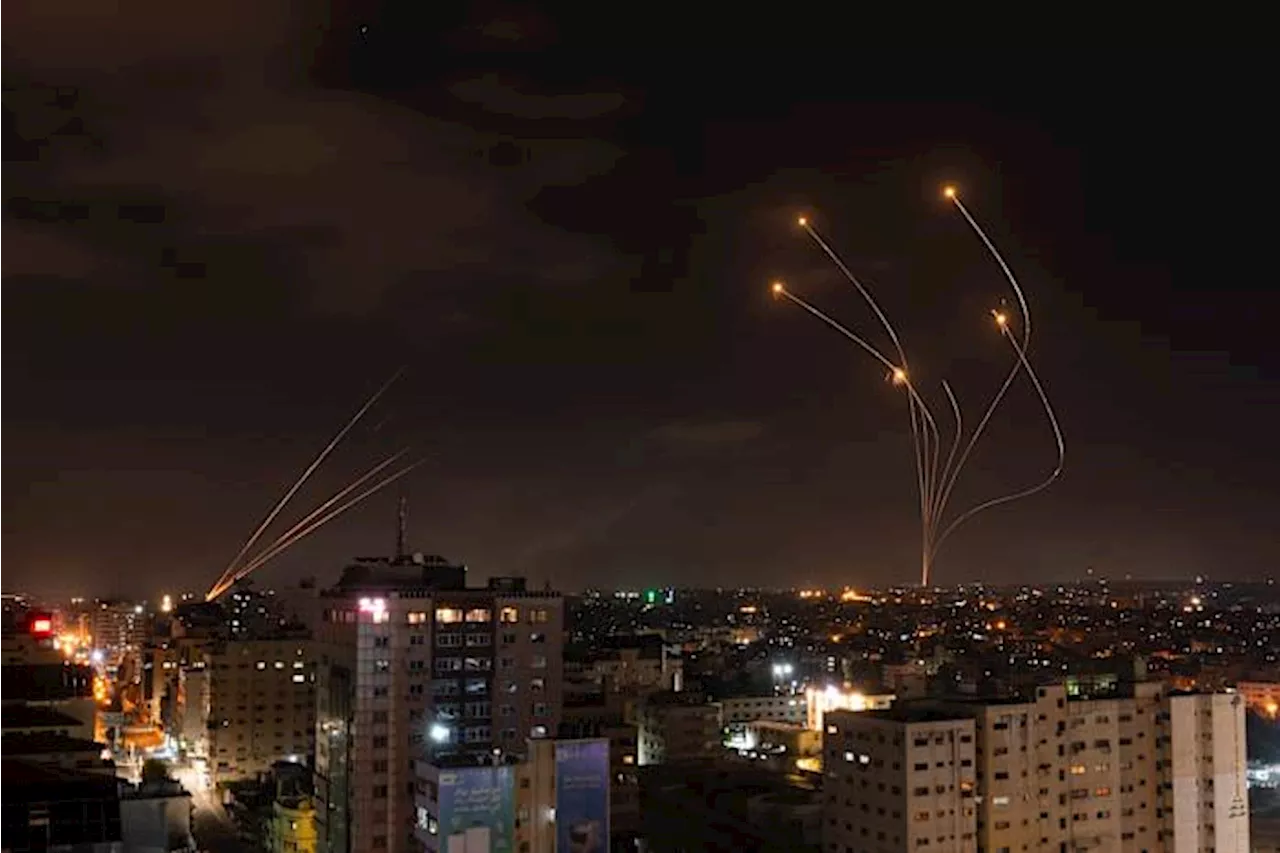 Israel and Hamas Agree to Ceasefire in GazaIsrael and Hamas have reached a ceasefire agreement after a devastating 15-month war in the Gaza Strip. The deal, brokered by Qatar, promises the release of hostages, Palestinian prisoners, and the return of displaced people to their homes. It also aims to allow humanitarian aid into Gaza. While the agreement requires approval from Israel's Cabinet, it is expected to go into effect soon, providing a six-week pause in the fighting.
Read more »
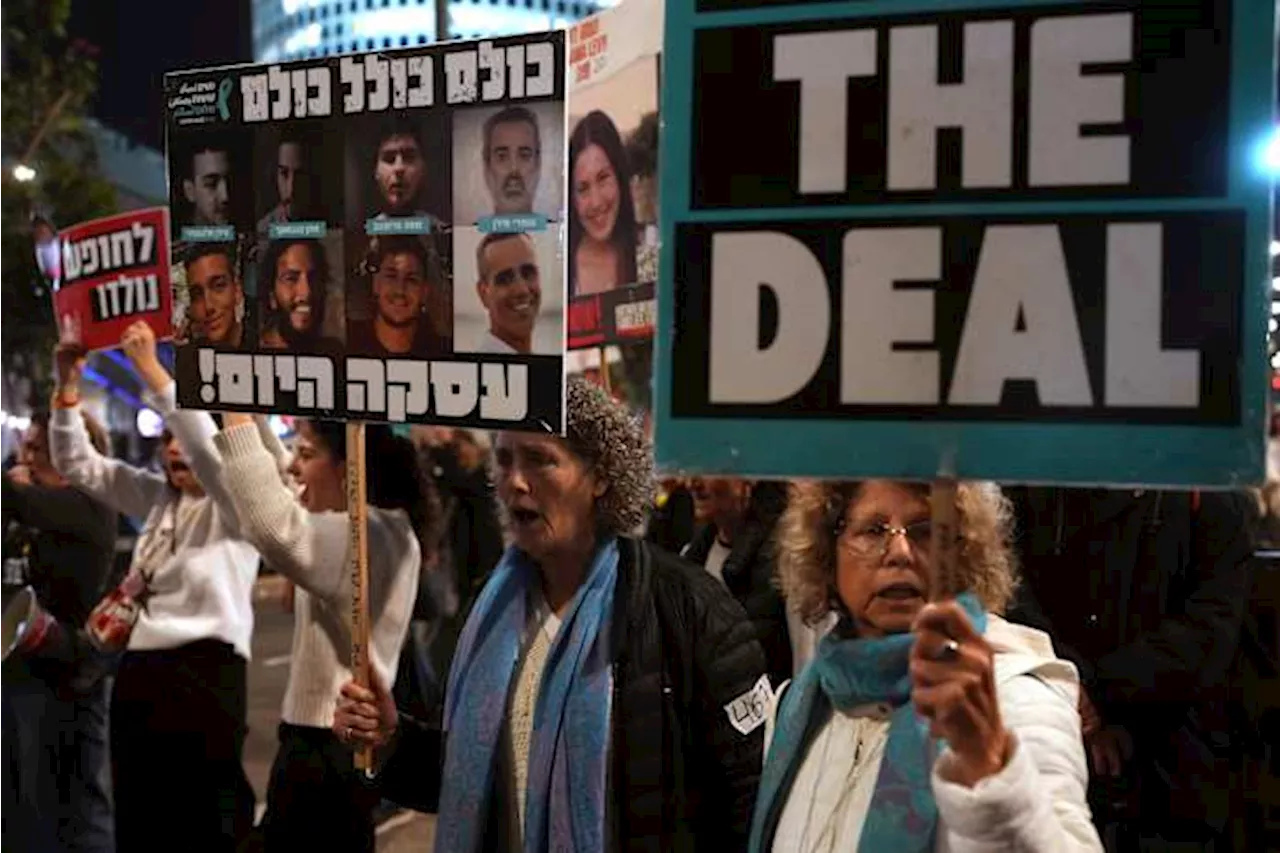 Israel and Hamas Agree to Ceasefire in GazaAfter 15 months of devastating war, Israel and Hamas have agreed to a ceasefire deal mediated by Qatar. The agreement includes the phased release of hostages held by Hamas, the release of Palestinian prisoners in Israel, and the return of displaced Palestinians to their homes in Gaza.
Read more »
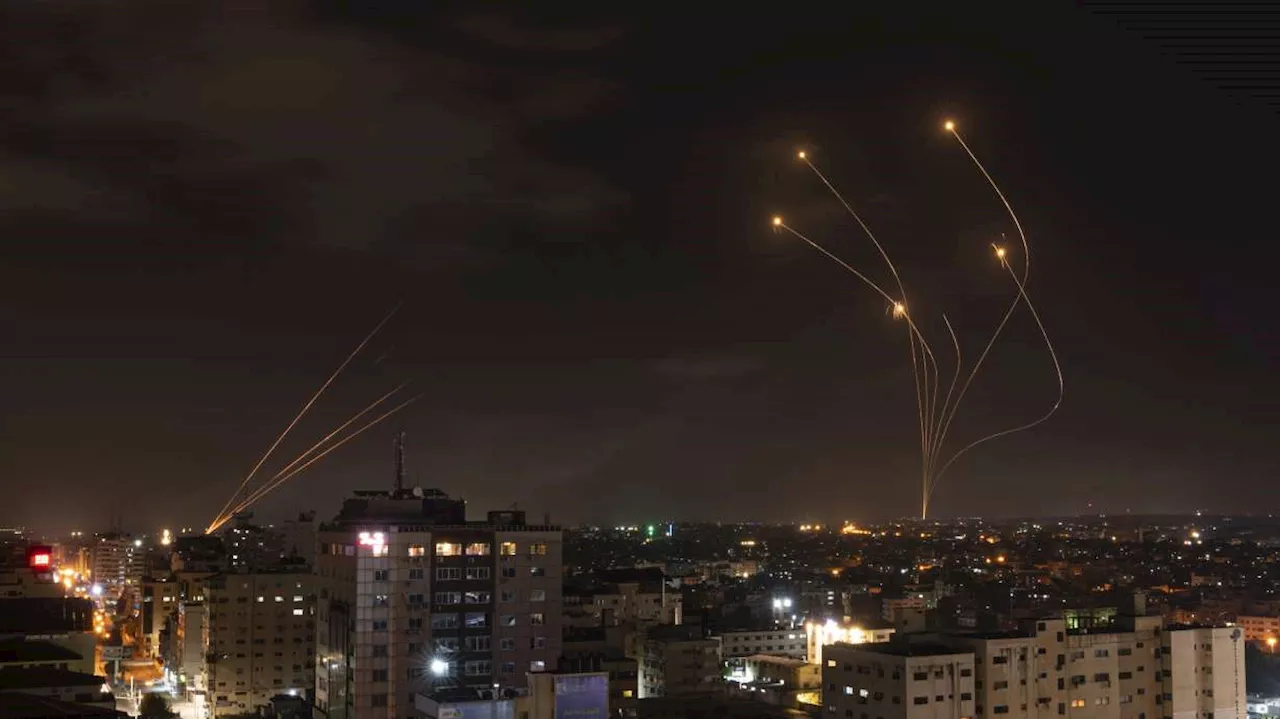 Israel and Hamas Agree to Ceasefire in Gaza After 15-Month WarAfter a grueling 15-month conflict, Israel and Hamas have reached a ceasefire agreement mediated in Doha, Qatar. The deal promises the release of hostages, Palestinian prisoners, and the return of displaced Gazans to their homes. Humanitarian aid will also flow into the devastated territory. While details are still being finalized, the agreement is expected to bring an end to the deadliest fighting between the two sides.
Read more »
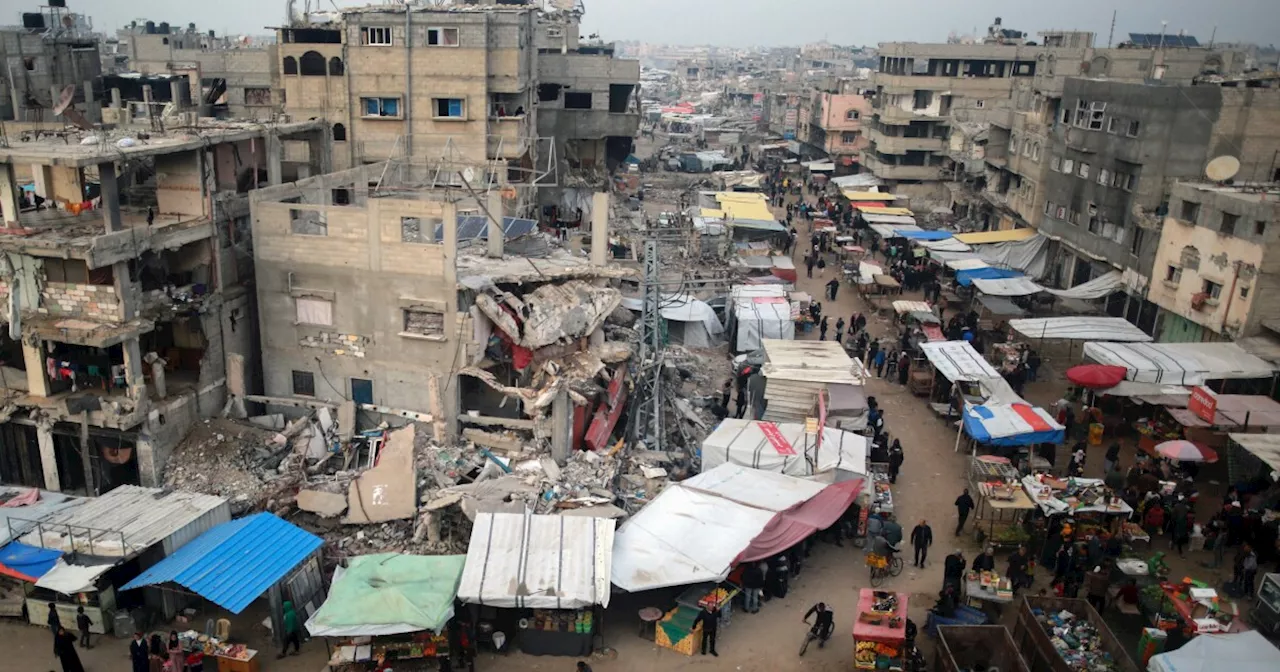 Israel and Hamas reach a Gaza ceasefire agreementIsrael and Hamas have reached an agreement on a multiphase ceasefire that commits them to end the war in Gaza, Senate Foreign Relations Committee Chairman James Risch said.
Read more »
 Israel and Hamas reach deal on Gaza ceasefire and hostage releaseMediators announced that Israel and Hamas agreed to a ceasefire deal, pausing a devastating 15-month war in the Gaza Strip.
Read more »
 Israel and Hamas Reach Multi-Phase Ceasefire Agreement Ending Gaza WarA potential end to the 15-month Gaza war appears on the horizon as Israel and Hamas agree to a multi-phase ceasefire. President Biden and Qatar's Prime Minister announced the deal on Wednesday, outlining its commitment to ending the fighting, providing humanitarian aid, and reuniting hostages with their families.
Read more »