
This article argues that the militarization of the U.S.-Mexico border is a bipartisan issue, tracing its roots back to 1993 with Operation Blockade and highlighting the contributions of both Republican and Democratic administrations to the current situation.
seekers and directing the Defense Department to expand military operations along the U.S.-Mexico border. This includes deploying 10,000 soldiers and utilizing active-duty pilots andWhether Trump ultimately sends more military personnel to the southern border than Biden, the key takeaway is clear: The U.
S.-Mexico border has been militarized under both Republican and Democratic administrations. The military tactics and assets Trump plans to deploy during his second term are, in no small part, developed and implemented by his political opposition.As a historian of the U.S.-Mexico border, I see this moment as the latest development in a decades-long bipartisan project. The roots of this militarization can be traced to 1993, with Operation Blockade , which the El Paso Border Patrol sector chief and future Democratic U.S. Rep. Silvestre Reyes implemented along the El Paso-Ciudad Juárez border. Reyes stationed at least 400 Border Patrol agents directly on the border, creating a human wall between El Paso and Ciudad Juárez. This strategy marked a major shift in Border Patrol operations. The previous practice had been focused on detaining migrants after they crossed the border.During the prior decade, Reyes noticed a growing number of apprehended migrants from Central America who were fleeing civil wars, right-wing death squads and anti-Indigenous regimes in Guatemala, El Salvador and Nicaragua. Many of these governments, along with paramilitary groups, had been funded, officially and unofficially, by the United States during the 1980s under Cold War containment strategies. However, Reyes’ primary concern wasn’t addressing the root causes of migration but the rising costs of deporting Central Americans by plane. His solution was to push refugees back into Mexico. This is a similar approach to the Migrant Protection Protocols, or the “Remain in Mexico” policy, which Trump implemented during his first administration and is currently seeking to re-create. Despite initial resistance from the State Department and Border Patrol leadership concerned with diplomatic relations with Mexico and personnel costs, Reyes’ operation earned widespread praise, particularly from the Clinton administration. Bill Clinton had adopted a tougher stance on unauthorized immigration than his immediate Democratic and Republican predecessors. Noting Reyes’ strategy had curtailed the number of unauthorized migrants entering El Paso’s urban core, the Clinton administration sought to re-create Operation Hold the Line in other urbanized sections of the U.S.-Mexico border, such as San Diego, where the tactic was called Operation Gatekeeper.This momentum toward border enforcement continued, culminating in the bipartisan 2006 Secure Fence Act. Since then, Border Patrol operations have increasingly relied on advanced military technologies: monumental border walls, surveillance towers, high-definition and infrared cameras, radar systems, thermographic heat sensors and drones. These range from 36-foot-long Predator drones, originally developed for the U.S. Air Force and the CIA, to hand-launched Stalker drones. Border Patrol also employs thousands of ground sensors that detect seismic, acoustic and magnetic activity. To build this system, Democrats and Republicans helped create a booming surveillance and military industry that spans the globe. Under both Republican and Democratic administrations, Border Patrol turned to defense contractors, established tech companies, startups and universities from Silicon Valley to Texas to Israel. The hardened, militarized border is not just Trump’s doing. It is the product of decades of Democratic and Republican efforts and often collaboration. Any serious critique of Trump’s border policies must confront this shared legacy.Joel Zapata is an assistant professor of history at Oregon State University and a Public Voices Fellow with The OpEd Project.
BORDER SECURITY MILITARY POLITICS IMMIGRATION HISTORY
United States Latest News, United States Headlines
Similar News:You can also read news stories similar to this one that we have collected from other news sources.
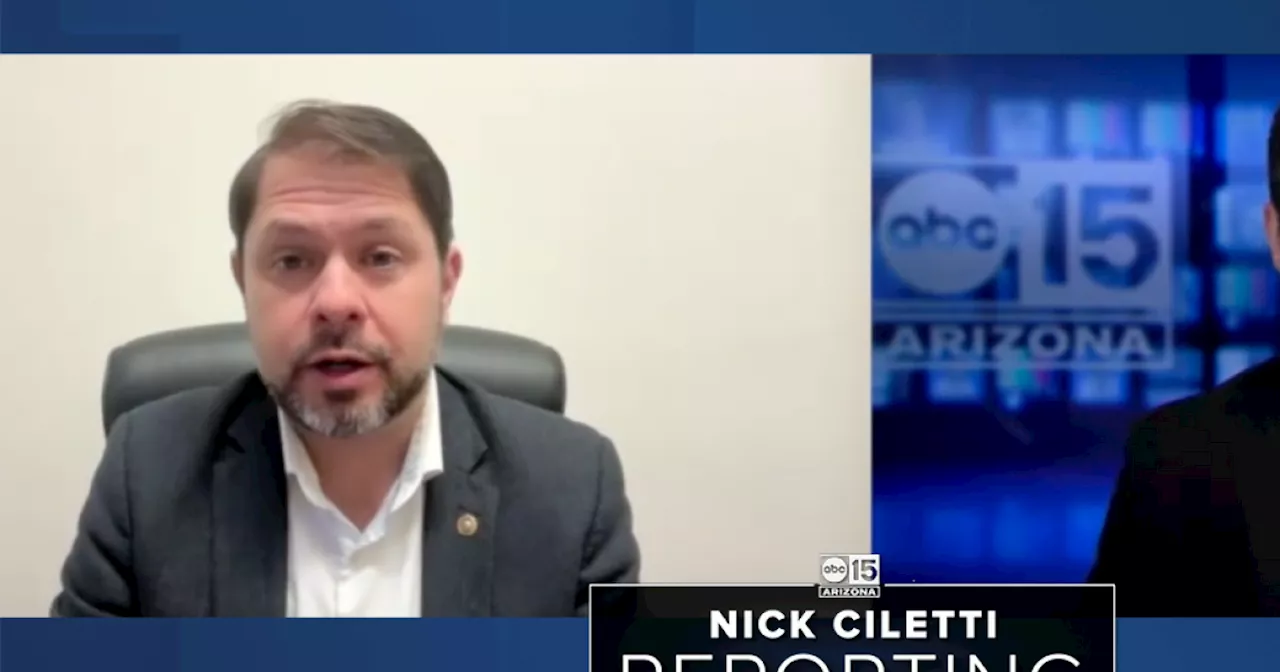 Arizona Senator Ruben Gallego: Bipartisan Solutions on Immigration and Border SecurityArizona Senator Ruben Gallego, a Democrat elected in 2022, is highlighting his commitment to bipartisan cooperation on crucial issues like border security and immigration reform. In an interview with ABC15, Gallego emphasizes his willingness to work with both Democrats and Republicans to find solutions. He cites his co-sponsorship of the Laken Riley Act, which aims to strengthen law enforcement's ability to apprehend undocumented immigrants who have committed other crimes, as an example of this approach. While acknowledging the complexities of the immigration system, Gallego stresses the need for comprehensive reform and urges lawmakers to carefully consider the consequences of proposed legislation.
Read more »
 Biden's Legacy: A Legacy of FailureThis article argues that Joe Biden's presidency has been a failure, citing his policies on DEI, ESG, immigration, and censorship as evidence. It also highlights the economic damage caused by his administration's spending habits.
Read more »
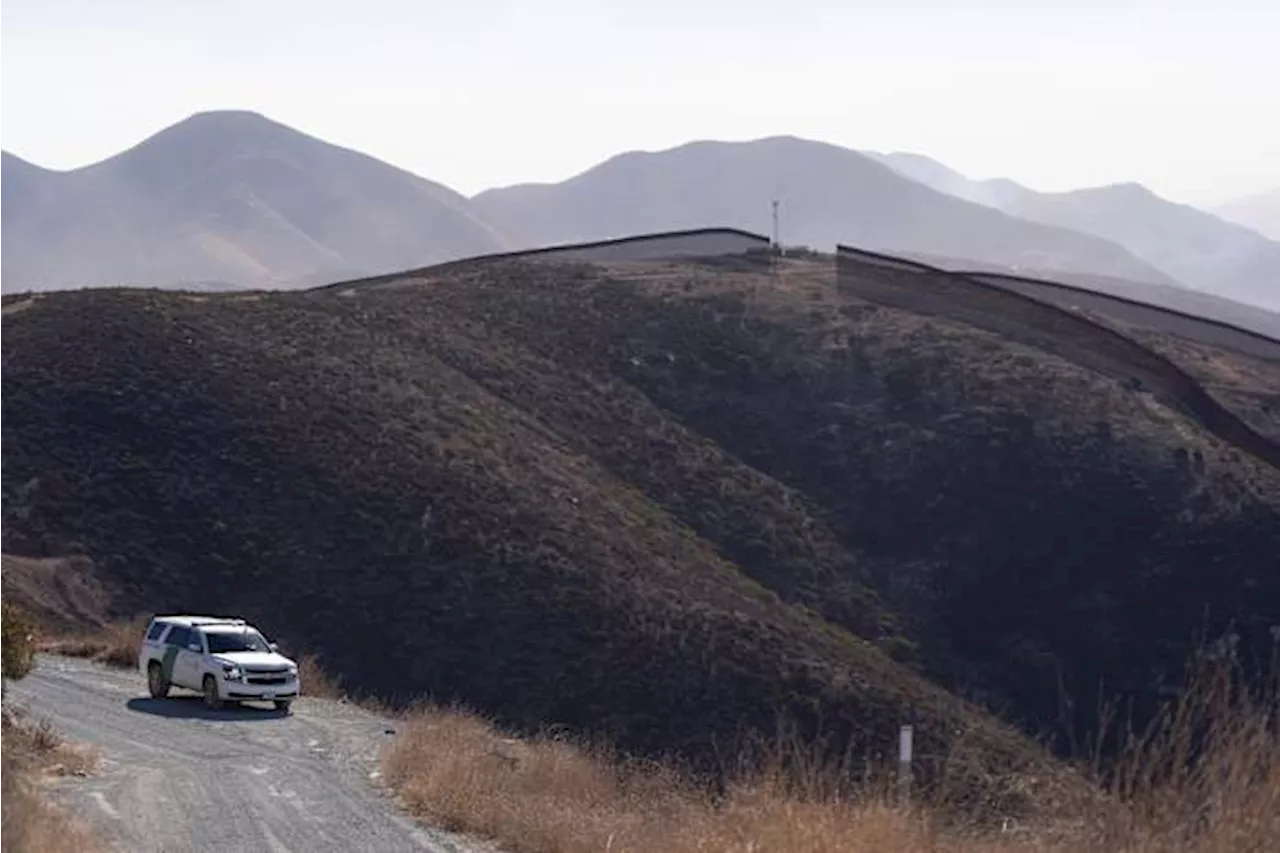 Border Patrol Sees Decline in Arrests Amid Trump's Border Emergency DeclarationDespite a decrease in border arrests under the Biden administration, President Trump declared a border emergency, citing concerns about national sovereignty. The situation reflects a complex landscape with fluctuating numbers of migrants and ongoing challenges in border management.
Read more »
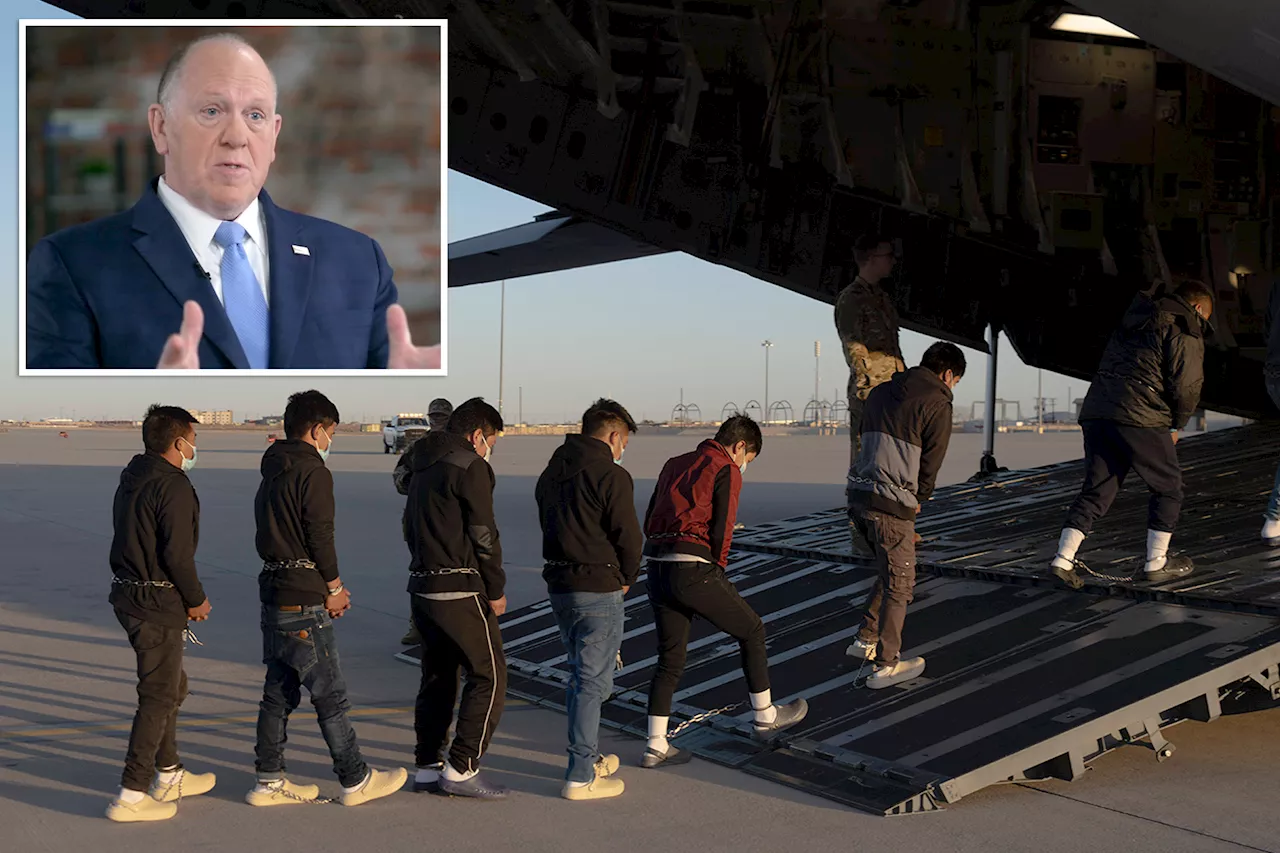 Border czar Tom Homan promises deportations every day, culimating in millions: 'Our border is closed'Homan says deportees will be flown out of the country every day
Read more »
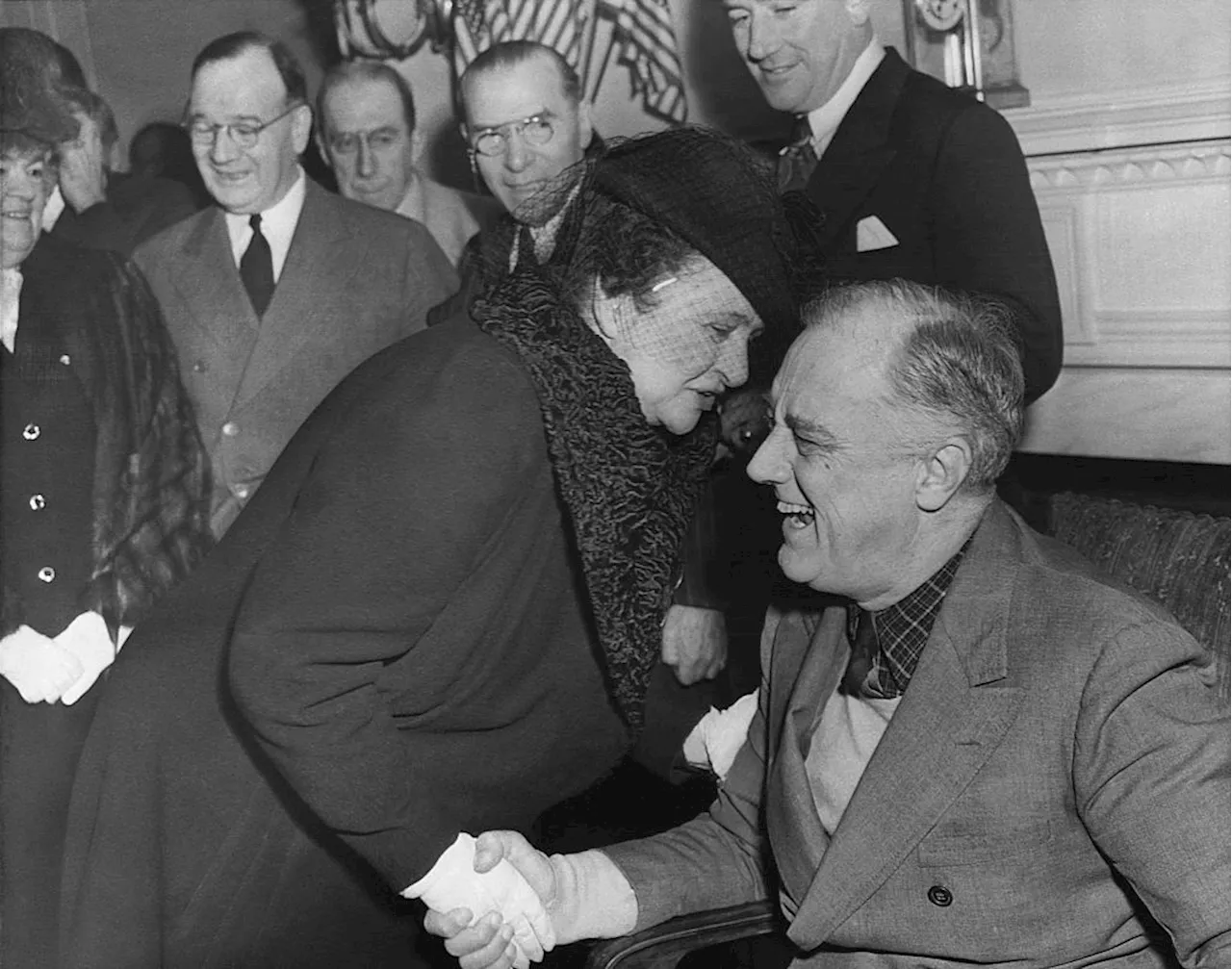 Frances Perkins: A Legacy of Labor, Legacy, and TransformationThis article explores the life and career of Frances Perkins, the first woman to serve in a U.S. presidential cabinet. It delves into her pioneering work as Secretary of Labor, navigating the complexities of gender, politics, and personal transformation while leaving a lasting impact on American labor history.
Read more »
 Abbott sends state troops to U.S.-Mexico border to work with Border PatrolThe 400 members of a special tactical unit left bases in Houston and Fort Worth on Monday morning, according to the governor’s office.
Read more »