
A new study from the DTU National Food Institute reveals that adding biochar to chicken feed can significantly reduce campylobacter levels in free-range flocks. This finding could have major implications for public health by decreasing the incidence of foodborne illness.
New research has yielded promising results in the fight against campylobacter in free-range chicken flocks. Trials demonstrate that adding biochar to chicken feed can reduce campylobacter in chickens by up to 80%. This could potentially lead to fewer foodborne illnesses among humans. DTU National Food Institute researchers have conducted trials in a commercial free-range chicken farm in Denmark.
They achieved an 80% reduction in campylobacter in the chickens by supplementing their feed with biochar. 'Campylobacter causes numerous cases of illness in humans every year. Reducing bacterial levels in chickens can make a significant difference in public health. Our findings highlight biochar's potential -- particularly for free-range and organic chickens, where controlling bacteria is more challenging than in conventionally raised poultry,' says senior researcher Brian Lassen from DTU National Food Institute, who leads the SafeChicken project. Many studies of this kind are conducted in laboratories and show positive outcomes, but they often struggle to replicate these findings under actual farm management conditions. 'We demonstrate that it's possible to significantly reduce campylobacter in free-range chickens slaughtered at two months of age without finding adverse effects on their health. This is significant for production systems where chickens have access to outdoor areas, which typically increases their exposure to campylobacter from the environment,' says PhD student Cristina Calvo-Fernandez, who has worked on the project as part of her doctoral studies.The researchers tested feed and water additives on the free-range chickens that had previously shown evidence of potentially reducing campylobacter under experimental conditions. The trials were conducted three times on the same farm. 'The best results came from using biochar, which is made from organic waste material, such as wood, transformed into biochar through pyrolysis. In addition to reducing campylobacter, biochar can help lower CO2 emissions. Biochar could potentially be used in organic chicken production and implemented quickly, as it is a substance that can be used in this production type, which is otherwise more restricted in what can be added to feed than other production types. Researchers also tested organic acids added to the chickens' drinking water. Previous studies have shown that these acids can reduce campylobacter levels. 'In our trials, we observed a 76% reduction in campylobacter when the chickens were 36 days old -- half of this breed's slaughter age -- but the effect diminished by the slaughter age of the free-range chickens three weeks later. This suggests that timing the administration of organic acids may need to be optimized from the experimental setup,' says Cristina Calvo-Fernandez.Chickens are natural hosts for campylobacter and thus can be found in chicken meat if the flock is infected. In humans, it can cause gastrointestinal illness if meat is undercooked or improperly handled. National initiatives in Denmark have already reduced levels of bacteria such as salmonella and campylobacter through Action Plans, but new methods are still needed to reduce their presence. Campylobacter can be found in free-range and organic chicken flocks, especially in summer. Maintaining good kitchen hygiene and thoroughly cooking chicken meat can prevent illness, as high heat kills the bacteria. 'The result provides an important tool in making chicken meat as safe as possible. With 5,000 registered cases of campylobacter-related illness annually in Denmark -- and many more unreported -- campylobacter is a significant cause of gastrointestinal problems,' says Brian Lassen. The SafeChicken project will continue until autumn 2025 and investigate additional methods to combat campylobacter, including slaughterhouse interventions.'We are currently studying how biochar affects the families of bacteria in the chicken gut microbiome. Campylobacter is a naturally present bacterium in the chicken's gut microbiome, and understanding just how biochar affects the chicken's microbiome and reduces campylobacter is essential,' says Cristina Calvo-Fernandez. If the researchers can uncover this mechanism, it offers hope that the method could also be applied to conventional poultry farming and other livestock
Campylobacter Biochar Free-Range Chickens Food Safety Poultry
United States Latest News, United States Headlines
Similar News:You can also read news stories similar to this one that we have collected from other news sources.
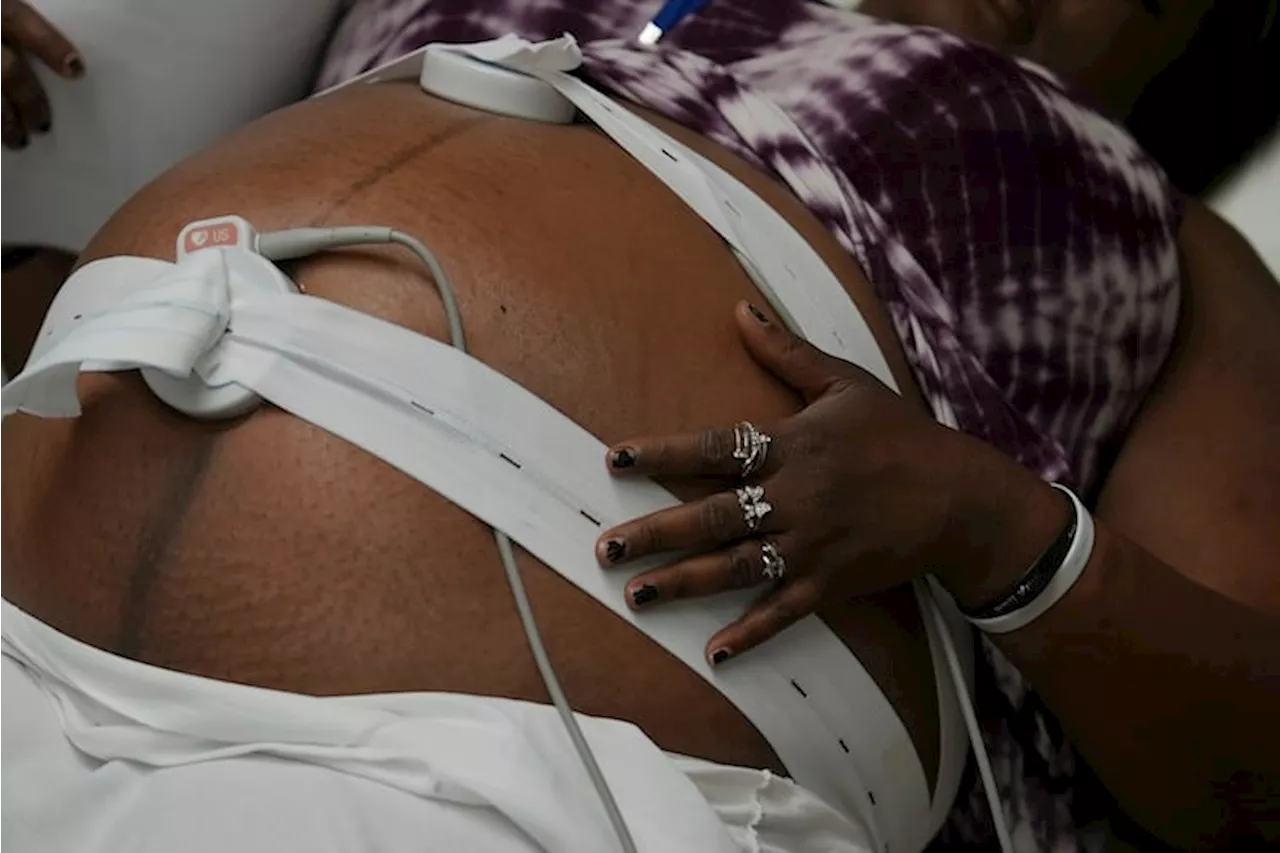 MedStar Program Shows Promise in Reducing Black Maternal Health DisparitiesA groundbreaking program at MedStar Washington Hospital Center has demonstrated positive results in tackling the significant health disparities faced by Black mothers and infants in Washington, D.C. By providing comprehensive medical and social support, the Safe Babies Safe Moms program has shown a decreased incidence of low birth weight babies and preterm births among Black patients.
Read more »
 Preventive CBT Shows Promise in Reducing Postpartum Depression and AnxietyA recent study highlights the effectiveness of cognitive behavioral therapy (CBT) in preventing postpartum depression and anxiety, emphasizing the importance of proactive mental health care during pregnancy.
Read more »
 Urine Test Shows Promise in Reducing Unnecessary Prostate BiopsiesA new urine test developed by researchers at the University of Michigan Health Rogel Cancer Center has the potential to significantly reduce the number of unnecessary prostate biopsies. The test, called MyProstateScore 2.0 (MPS2), examines 18 genes linked to high-grade prostate cancer and has been shown to be highly effective in identifying aggressive cancers.
Read more »
 New Drug Journavx Shows Promise in Reducing Post-Surgery PainVertex Pharmaceuticals' Journavx, a nonaddictive drug for moderate to severe acute pain, has been approved by the FDA. Experts believe it could reduce opioid prescriptions after surgery or for patients who can't tolerate other pain medications. While initial trials show promising results, some experts call for further research.
Read more »
 Semaglutide Shows Promise in Reducing Cocaine Cravings: A Case StudyA recent case study suggests that semaglutide, the active ingredient in Ozempic and Wegovy, may have therapeutic potential for reducing cocaine cravings. The study involved a 54-year-old Italian man who experienced a significant decrease in cocaine cravings and weight loss after starting semaglutide treatment. This finding adds to the growing body of evidence suggesting that GLP-1 drugs may have broader applications beyond weight management and type 2 diabetes.
Read more »
 Ozempic Shows Promise in Reducing Alcohol Cravings in Small StudyA groundbreaking clinical trial suggests that the popular weight-loss drug Ozempic could also be effective in reducing alcohol consumption. The study, while small, offers encouraging results for individuals struggling with alcohol-use disorder, a prevalent issue affecting millions worldwide.
Read more »