
Austin Resource Recovery plans to construct a transfer station to improve waste management services and reduce emissions. The proposed facility would allow for easier transfer of waste from smaller trucks to larger trucks, reducing travel distances and contributing to a more efficient system.
Austin Resource Recovery has unveiled plans for a central hub, known as a transfer station , where city garbage and composting trucks will transfer their loads to larger trucks before transport to out-of-town disposal sites. This initiative aims to enhance city services and minimize emissions from disposal trucks.
Currently, when city waste collection trucks reach capacity on their routes, drivers undertake lengthy journeys, often exceeding 30 miles, to unload at landfills and composting facilities. The transfer station, strategically positioned closer to the city center, would facilitate the transfer of loads to larger trucks, significantly reducing the distance covered by disposal trucks.The transfer station, envisioned as a sizeable indoor facility, would ensure that no waste is left overnight and that all waste is removed daily. Director of Austin Resource Recovery, Richard McHale, emphasized that the facility wouldn't serve as a final disposal point but rather as a transfer point, streamlining the waste management process. McHale highlighted the potential benefits, including faster turnaround times for collection drivers, leading to improved service efficiency. The facility could also provide crucial space for waste drop-off in the aftermath of natural disasters and potentially facilitate the electrification of the city's garbage truck fleet by reducing the battery range required for long-distance travel to landfills.An analysis conducted by consultants revealed that implementing the transfer station could potentially increase the cost of city garbage and compost collection unless the facility generates its own revenue. This revenue generation could be achieved by accepting waste from private waste pickup companies for a fee. Among the locations studied, a property on Harris Branch Parkway in Northeast Austin emerged as the most suitable site for the transfer station. However, McHale disclosed that the properties initially assessed by the consultants are no longer available for development. Despite this setback, he remains optimistic about finding a suitable location through ongoing collaboration with the real estate department. Recognizing the potential challenges associated with siting solid waste facilities, McHale expressed confidence in community outreach efforts to assure residents that the transfer station will be a responsible neighbor.The next step in this process will involve Austin Resource Recovery presenting detailed information about the project to the city council on August 27th
Waste Management Transfer Station Austin Environmental Sustainability Emissions Reduction
United States Latest News, United States Headlines
Similar News:You can also read news stories similar to this one that we have collected from other news sources.
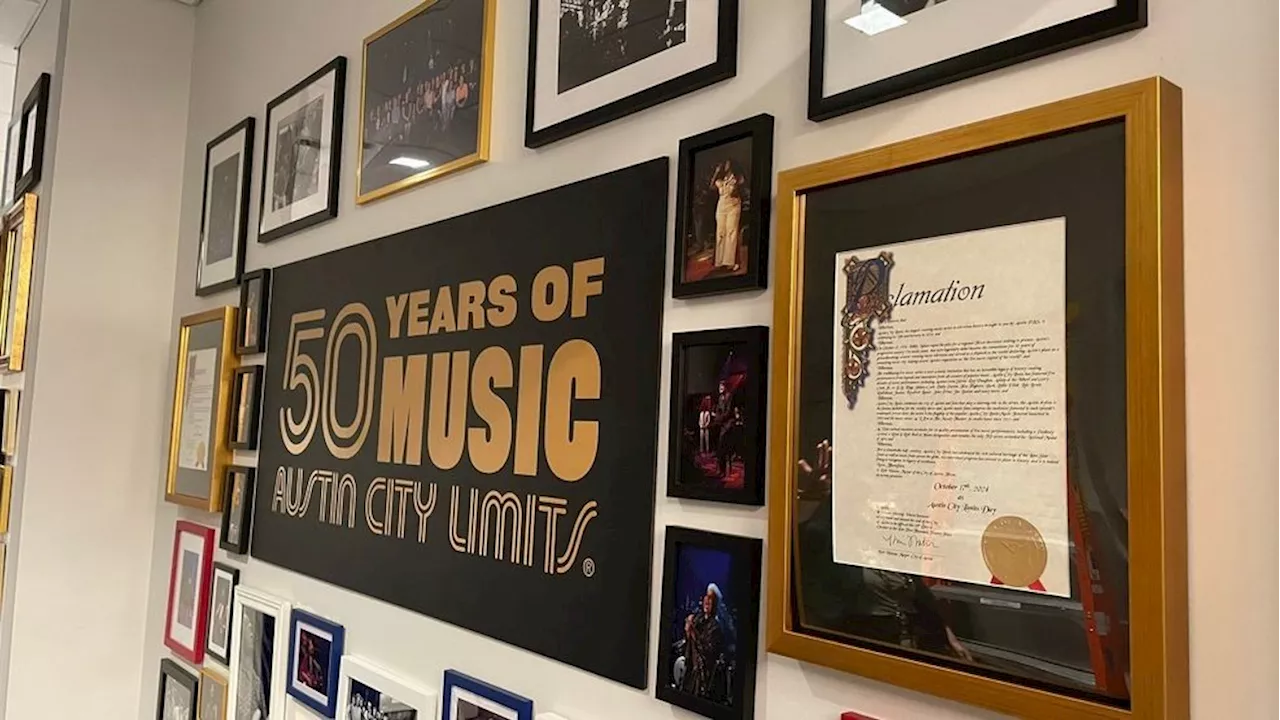 Austin City Limits face new challenges after federal funding slashed at Austin PBSAustin City Limits helped put Austin on the map as the Live Music Capitol of the World, but now the historic program is facing new challenges...
Read more »
 The Central Pacific is central to countering ChinaPolitical News and Conservative Analysis About Congress, the President, and the Federal Government
Read more »
 Car crashes into Central Austin restaurant, police still looking for the driverPolice are searching for a driver who crashed into a central Austin restaurant early Sunday morning and fled the scene.Austin police responded to a 911 call at
Read more »
 Austin police investigating deadly shooting of teen at East Austin apartmentsAustin police are investigating a homicide in East Austin Friday night.
Read more »
 Why one Austin artist wants to build an alternative to SpotifyProsper XO is in the early stages of development, but founder Lauren Bruno envisions an artist-centric tool that can connect musicians with money and resources.
Read more »
 ‘Central Hub’ a Key to Whole-Body Care for Hospital PatientsTeamwork across specialties is a key to improved patient care and satisfaction.
Read more »