
Simulations of a potential asteroid impact next century reveal the devastating but potentially recoverable effects on Earth's climate and ecosystems.
Simulation s of a potential impact by a hill-sized space rock event next century have revealed the rough ride humanity would be in for, hinting at what it'd take for us to survive such a catastrophe. But that doesn't mean we're in the clear. Space is teeming with rocks, and many of those are blithely zipping around on trajectories that could bring them into violent contact with our planet. That chance is slim, for sure, just 1 in 2,700, or 0.04 percent. But that's not zero.
In order to be prepared for the worst, climate scientists in South Korea have modeled what would happen if such a collision took place, especially given that the last major asteroid impact 66 million years ago, known as the Chicxulub impact, wiped out the dinosaurs. Our simulations, which inject up to 400 million tons of dust into the stratosphere, show marked disruptions in climate, atmospheric chemistry, and global photosynthesis. Global mean temperatures are projected to drop by 4 degrees Celsius, and global precipitation decreases by 15 percent in our simulations. The effects of a medium- to large-sized impact are not fully known; such a catastrophic event is likely to have long- and far-reaching consequences. Scientists have probed the effects of the Chicxulub impact based on geological, fossil, and tree records, which combine to paint a pretty grim picture. To understand the effects of future impacts, Dai and Timmerman used the Aleph supercomputer at the university's IBS Center for Climate Physics to simulate a 500-meter asteroid colliding with Earth, including simulations of terrestrial and marine ecosystems that were omitted from previous simulations. It's not the crash-boom that would devastate Earth, but what would come after. Such an impact would release 100 to 400 million metric tons of dust into the planet's atmosphere, the researchers found, disrupting the atmosphere's chemistry, dimming the Sun enough to interfere with photosynthesis, and hitting the climate like a wrecking ball. The abrupt impact winter would provide unfavorable climate conditions for plants to grow, leading to an initial 20 to 30 percent reduction of photosynthesis in terrestrial and marine ecosystems. But it's not all doom and gloom. While terrestrial plants are sensitive to such changes and take a while to recover, algae that live in bodies of water not only bounced back more quickly, recovering within months, they grew to volumes they don't reach under current, normal climate conditions. This unexpected behavior was linked to iron in the asteroid dust and dust from material ejected from Earth on impact, a nutrient that helped the simulated algae thrive. This was especially the case for marine diatoms, on which zooplankton feed – suggesting a possible avenue for alleviating food insecurity, the researchers say. It's impossible to tell exactly how often our planet has been smacked by large asteroids in its history. Craters are erased and covered over by erosion processes. Some large rocks explode in the air, leaving only debris that is difficult to identify in the geological record if you're not looking for it. Estimates, however, suggest that it's not uncommon. Which means humanity as a whole would likely survive a rendezvous with Bennu, albeit in smaller numbers than prior, and with dramatically altered lifestyles, at least for a while. This means that our early human ancestors may have experienced some of these planet-shifting events before with potential impacts on human evolution and even our own genetic makeup
Asteroidimpact Climatechange Simulation Ecosystems Humanevolution
United States Latest News, United States Headlines
Similar News:You can also read news stories similar to this one that we have collected from other news sources.
 Potential Asteroid Impact in 2032 Raises ConcernsA newly discovered asteroid, 2024 YR4, has a small but non-zero chance of impacting Earth in December 2032. While experts say there is no need to panic yet, the discovery has prompted increased monitoring and data collection efforts.
Read more »
 Newly Discovered Asteroid Poses Slight Risk of Earth Impact in 2032A recently discovered asteroid, 2024 YR4, has a small chance of impacting Earth on December 22, 2032. While the probability is only 1.2%, space agencies are closely monitoring the asteroid and conducting observations to refine its trajectory and potential impact.
Read more »
 2024 YR4 Asteroid: A 1% Chance of Impact in 2032Scientists are monitoring asteroid 2024 YR4, which has a 1.2% chance of impacting Earth on December 22, 2032. This makes it the only near-Earth asteroid with an impact probability above 1% out of over 37,000 known asteroids. The asteroid was discovered in December 2024 and is currently classified at Level 3 on the Torino Scale, indicating a 'Meriting Attention' threat.
Read more »
 Bennu Asteroid Impact Simulation Reveals Devastating Global ConsequencesA new study simulates the impact of asteroid Bennu on Earth, predicting catastrophic consequences for climate, ecosystems, and global food security.
Read more »
 Bennu Asteroid Impact: Simulating Global Disruption and Food ShortagesA study simulated the potential damage if Bennu, a potentially hazardous asteroid, collided with Earth. The impact could trigger a sudden onset of winter, cause global food shortages, and disrupt the planet's climate for several years.
Read more »
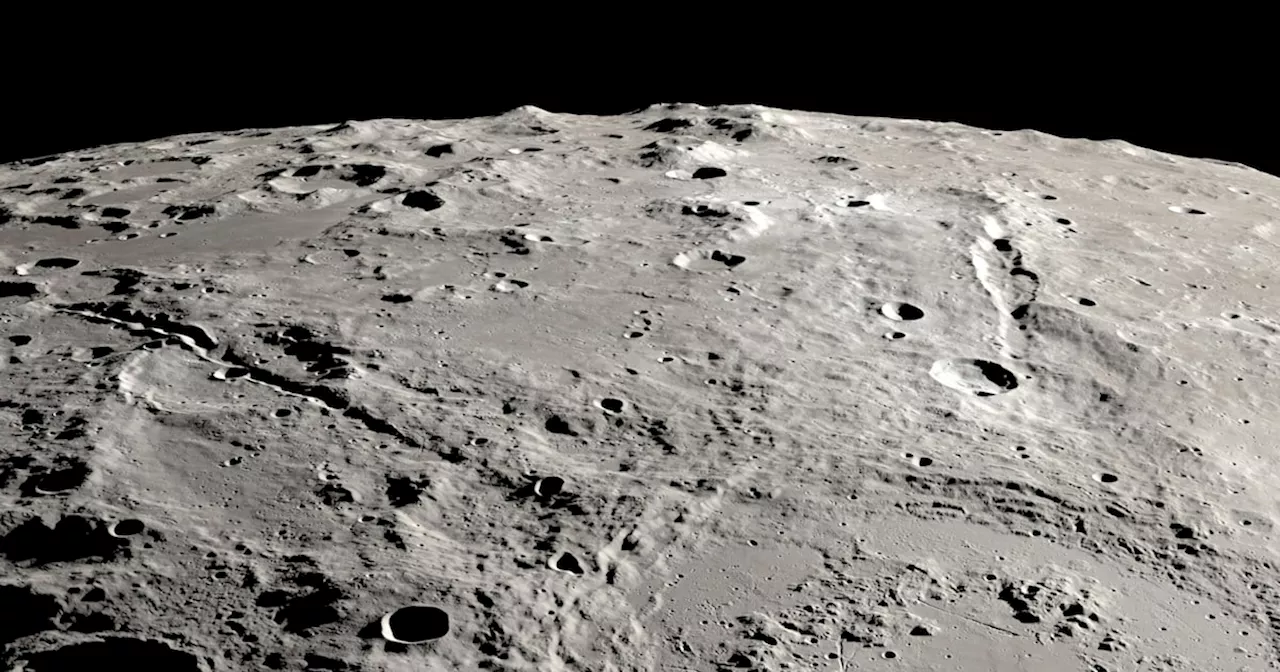 Ancient Asteroid Impact Carved Massive Canyons on the Moon's Far SideNew research reveals that an asteroid impact billions of years ago created enormous canyons on the moon's far side. This discovery offers valuable insights into the moon's and Earth's formation and highlights the potential for scientific discoveries in permanently shadowed areas.
Read more »