
The Artemis mission faces unique lighting challenges due to the Sun's low angle at the lunar south pole. This creates a harsh environment that will test astronaut vision and require advanced technology to support tasks.
Although the sun is more consistently visible at the lunar poles, it stays low, never rising more than 7° above the horizon in the target landing areas. This creates a harsh lighting environment unlike anything encountered during the Apollo missions or any other human spaceflight.The lunar south pole offers essential advantages for long-term missions, including optimal line-of-sight communication with Earth and consistent solar exposure.
However, astronauts will encounter unprecedented visual challenges due to the unique lighting and terrain conditions. The harsh lighting conditions will make it difficult for crews to spot hazards and carry out basic tasks. Human vision struggles in bright light and cannot quickly adjust between light and dark environments, even with its high dynamic range. Functional vision is essential for tasks ranging from walking and using simple tools to operating complex machines like lander elevators and rovers. This environment poses a significant engineering challenge for NASA, requiring broad understanding before it can be effectively tackled., lighting and vision systems for EVAs or rover operations were handled at the program level. This approach worked for Apollo and, where Sun angles were managed by mission planning and astronaut positioning, with helmet design addressing vision needs. However, Artemis faces new challenges as astronauts on the lunar surface will often have the Sun in their eyes. The extensive shadows at the Lunar South Pole require new vision support systems. Helmets, windows, and lighting must work together across programs to help crews see in darkness while light-adapted, in bright light while dark-adapted, and protect their eyes from harm. The assessment highlighted a lack of requirements to prevent vision impairment from the Sun’s brightness (distinct from preventing eye injury) while allowing astronauts to perform tasks effectivel
Artemis Lunar South Pole Vision Systems Lighting Conditions Spaceflight
United States Latest News, United States Headlines
Similar News:You can also read news stories similar to this one that we have collected from other news sources.
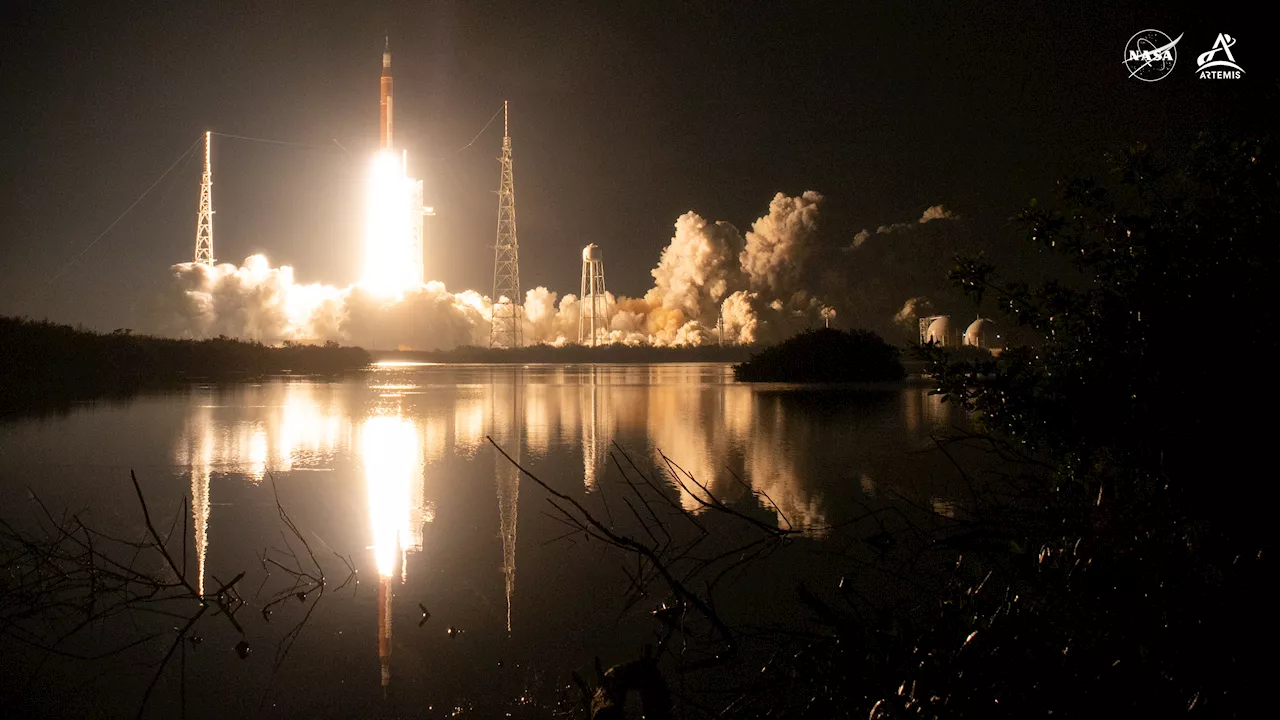 New Artemis Virtual Meeting Backgrounds Released Celebrating Artemis I, Looking to Artemis II and BeyondVirtual meetings feeling a little stale? NASA has just unveiled a suite of new Artemis backgrounds to elevate your digital workspace.
Read more »
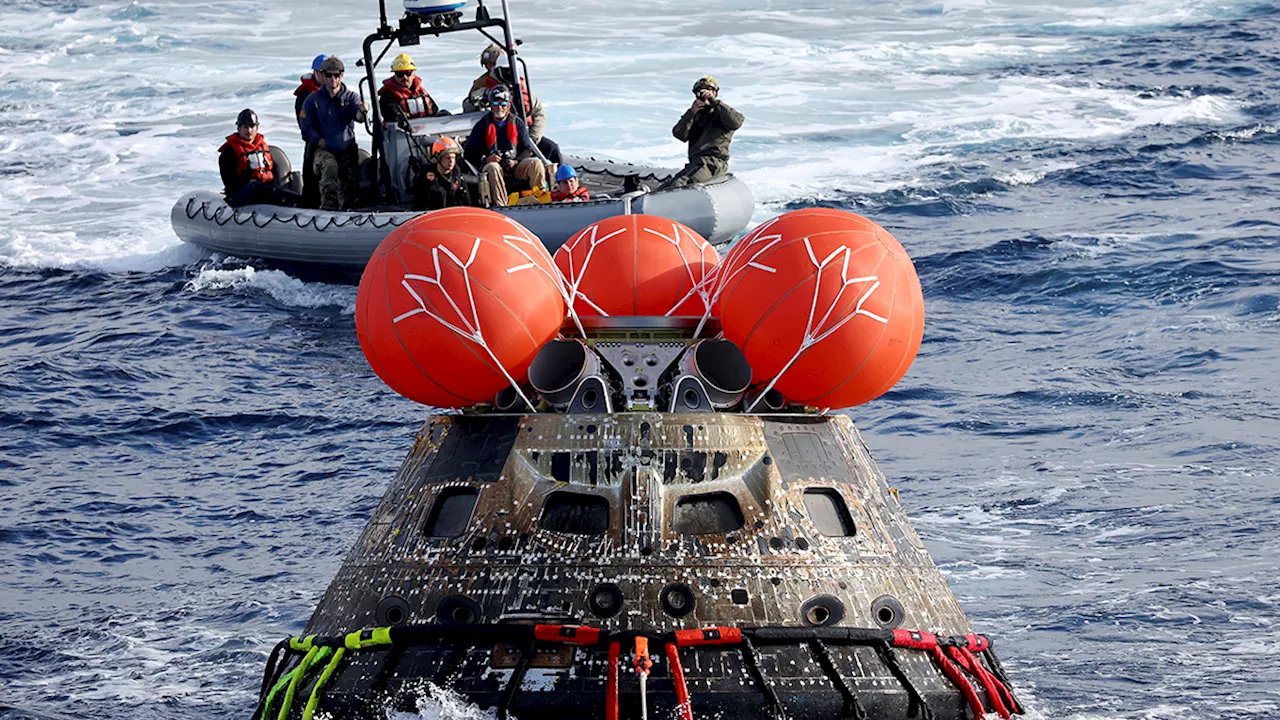 NASA Postpones Third Artemis Moon Mission to 2027NASA's Artemis program, following the Apollo missions, has seen only one completed mission so far. The third mission, involving a moon landing by two astronauts, has been delayed to at least 2027 after an initial target of 2026. The delay is due to damage sustained by the Orion capsule's heat shield during its 2022 lunar orbit mission.
Read more »
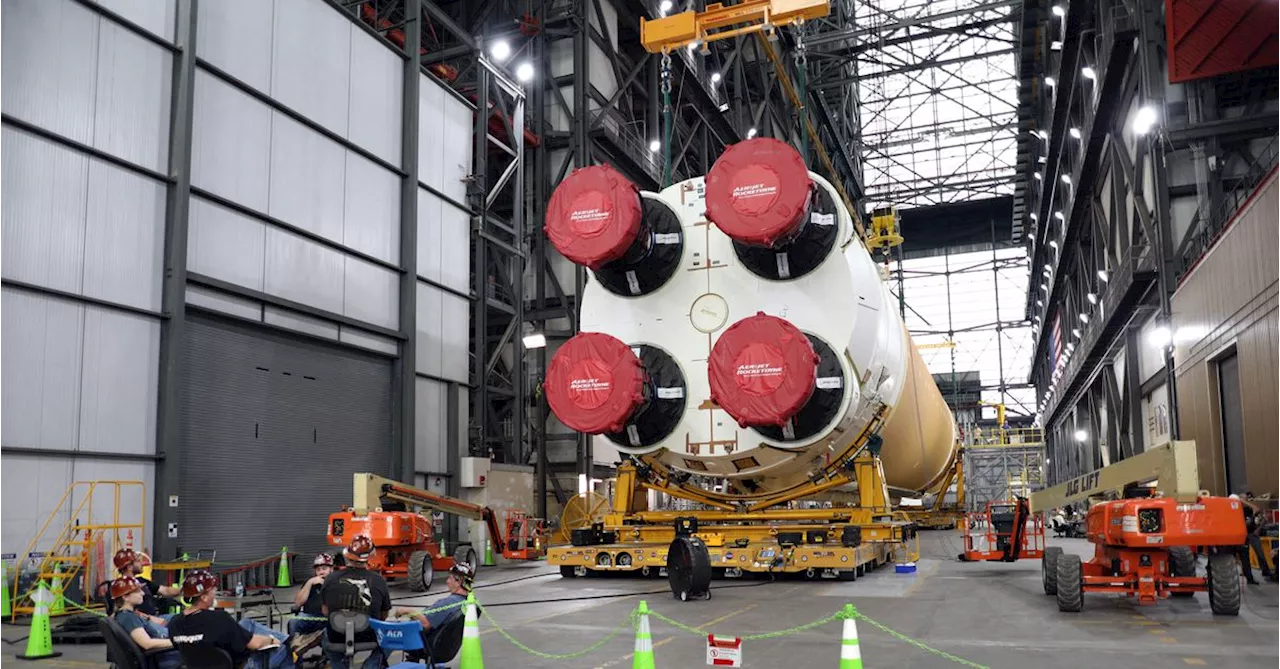 NASA’s Artemis II Moon mission has been delayed again to 2026NASA has once again postponed the Artemis II Moon mission, which is now scheduled for April 2026, and it’s targeting mid-2027 for Artemis III’s Moon landing.
Read more »
 Artemis Moon Mission Delayed: Crewed Landing Now Scheduled for Mid-2027A crewed moon landing originally targeted for late 2026 has been rescheduled for mid-2027, primarily due to the need for additional time to complete preparations for the Orion capsule. NASA administrator Bill Nelson emphasizes the demanding nature of space exploration and the importance of ensuring safety for astronauts in deep space missions.
Read more »
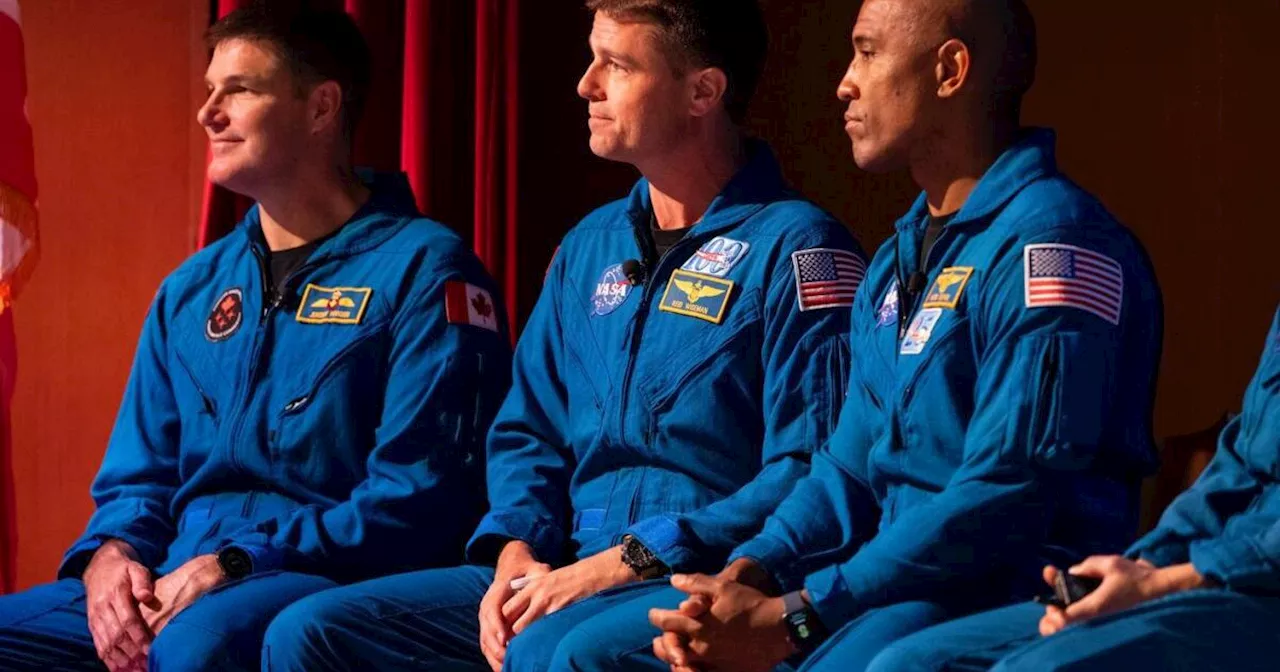 NASA delays Artemis II human moon mission once again as it wraps up heat shield investigationThe mission to take four astronauts on a trip around the moon and back, previously targeting a launch at the end of 2025, has been delayed until at least April, 2026.
Read more »
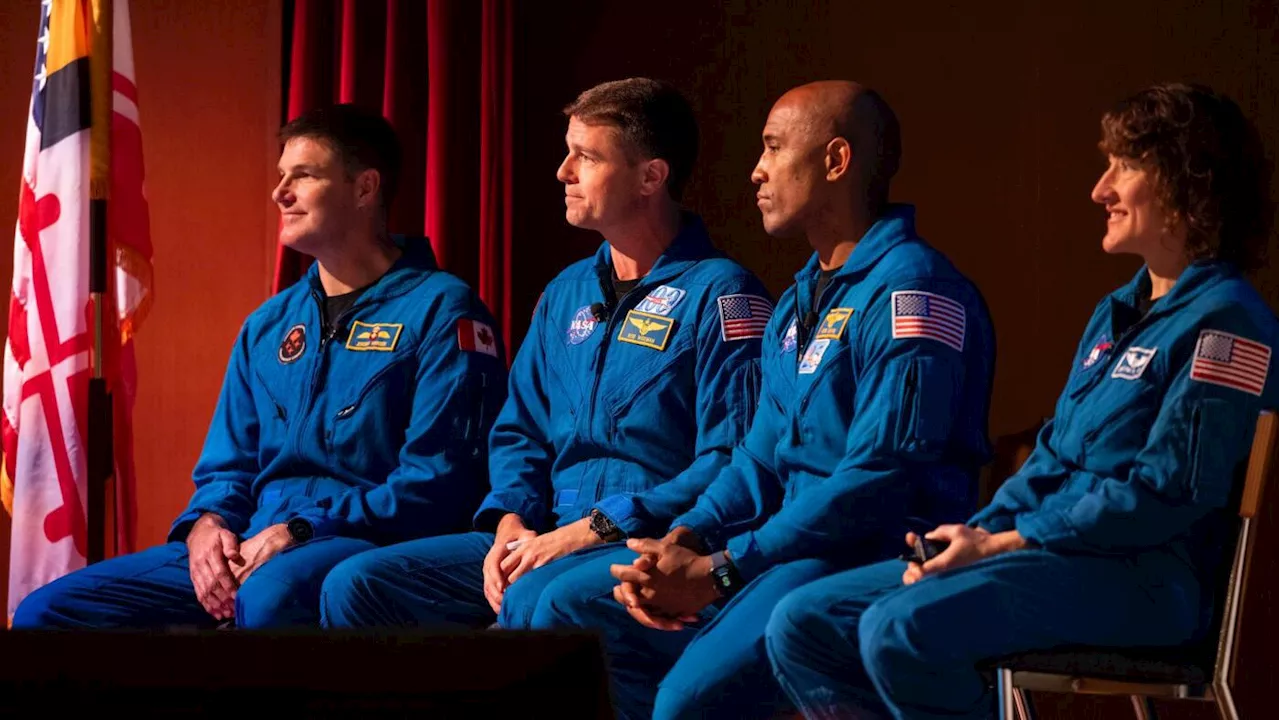 NASA delays Artemis II human moon mission once again as it wraps up heat shield investigationThe mission to take four astronauts on a trip around the moon and back, previously targeting a launch at the end of 2025, has been delayed until at least April, 2026.
Read more »