
Science, Space and Technology News 2024
An artist interpretation of the hazy atmosphere of Archean Earth – a pale orange dot. Credit: NASA’s Goddard Space Flight Center/Francis Reddy Scientists review the extensive influence of microorganisms on Earth’s history, tracing their impact through isotopic and genetic evidence.
The study highlights the connection between microbial activity and major environmental shifts, such as oxygen levels, which are crucial for understanding Earth’s evolution and assessing extraterrestrial habitability.-supported scientists have examined the long and intricately linked history of microbial life and the Earth’s environment. By reviewing the current state of knowledge across fields like microbiology, molecular biology, and geology, the study looks at how microorganisms have both shaped and been shaped by chemical properties of our planet’s oceans, land, and atmosphere. The study combines data across multiple fields of study and discusses how information on the complicated history of life on our planet from a single field cannot be viewed in isolation.The first life on Earth was microbial. Today the vast majority of our planet’s biomass is still made up of tiny, single-celled microorganisms. Although they’re abundant, the history of microbes can be a challenge for astrobiologists to study. Microbes don’t leave bones, shells or other large fossils behind like dinosaurs, fish, or other large organisms. Because of this, scientists must look at different evidence to understand the evolution of microbial life through time. Rocks along the shoreline of Lake Salda in Turkey were formed over time by microbes that trap minerals in the water. These microbialites were once a major form of life on Earth. Credit: NASA/JPL-Caltech In order to study ancient microbes on Earth, astrobiologists look for isotopic fingerprints in rocks that can be used to identify the metabolisms of ancient communities. Metabolism refers to the conversion of food into energy, and happens in all living things. Many elements , nitrogen , Sulfur , iron ) are involved in microbial metabolism. As microbes process these elements, they cause isotopic changes that scientists can spot in the rock record. Microbes also help to control how these elements are deposited and cycled in the environment, affecting geology and chemistry at both local and global scales .Another way to study ancient microbial life is to look back along the evolutionary information contained in the genetics of life today. Combining this genetic information from molecular biology with geobiological information from the rock record can help astrobiologists understand the connections between the shared evolution of the early Earth and early life. For an example of geological evidence of microbial metabolism, we can consider the formation of banded iron formations on the ancient seafloor. These colorful layers of alternating iron- and silicon-rich sediment were formed from 3.8 billion to 1.8 billion years ago and are associated with some of the oldest rock formations on Earth. The red colors they exhibit are from their high iron content, showing us that the ocean of Earth was rich in iron during the 2 billion years in which these rocks were forming. Many microbial structures on the shores of Lake Salda in Turkey are exposed as water levels drop, allowing scientists to study relationships between life and the surrounding environment. Credit: Tim Lyons/UCR In the new study, the team of researchers provides a review of current knowledge, gleaning information into the early metabolisms used by microbial life, the timing of when these metabolisms evolved, and how these processes are linked to major chemical and physical changes on Earth, such as the oxygenation of the oceans and atmosphere.Over time, the prevalence of oxygen on Earth has varied dramatically, in the ocean, in the atmosphere, and on land. These changes impacted both the evolution of the biosphere and the environment. For instance, as the activity of photosynthetic organisms raised oxygen levels in the atmosphere, creating new environments for microbial life to inhabit. Different nutrients were made accessible to life to fuel growth. At the same time, microbes that couldn’t survive in the presence of oxygen had to adapt, perish, or find a way to survive in environments where oxygen didn’t persist, such as deep in the Earth’s subsurface. Photograph of a fossilized stromatolite in Australia. These ancient structures resulted from the activity of microorganisms that lived in layered, mat-like colonies. Credit: NASA/Mike Toillion The new study explains our understanding of how oxygen levels have changed over time and spatial scales. The authors map different types of microbial metabolism, such as, to this history to better understand the “cause-and-effect relationship” between oxygen and the evolution of life on Earth. The paper provides important context for major changes in the course of evolution for the biosphere and the planet.By carefully considering the history of different types of microbial metabolisms on Earth, the review paper shows how biogeochemical cycles on our planet are inextricably linked through time over both local and global scales. The authors also discuss significant gaps in our knowledge that limit interpretations. For instance, we do not know how large the young biosphere on Earth was, which limits our ability to estimate the global effects of various metabolisms during Earth’s earliest years. Similarly, when using genetic information to look back along the tree of life, scientists can estimate when certain genes first appeared . However, the evolution of a new type of metabolism at a point in history does not necessarily mean that that metabolism was common or had a large enough effect in the environment to leave evidence in the rock record. This is an illustration of exoplanet WASP-39 b, also known as Bocaprins. NASA’s James Webb Space Telescope provided the most detailed analysis of an exoplanet atmosphere ever with WASP-39 b analysis released in November 2022. Webb’s Near-Infrared Spectrograph showed unambiguous evidence for carbon dioxide in the atmosphere, while previous observations from NASA’s Hubble and Spitzer Space Telescopes, as well as other telescopes, indicate the presence of water vapor, sodium, and potassium. The planet probably has clouds and some form of weather, but it may not have atmospheric bands like those of Jupiter and Saturn. This illustration is based on indirect transit observations from Webb as well as other space and ground-based telescopes. Webb has not captured a direct image of this planet. Credit: NASA, ESA, CSA, Joseph Olmsted According to the authors, “The history of microbial life marched in step with the history of the oceans, land and atmosphere, and our understanding remains limited by how much we still do not know about the environments of the early Earth.” The study also has wider implications in the search for life beyond Earth. Understanding the co-evolution of life and the environment can help scientists better understand the conditions necessary for a planet to be habitable. The interconnections between life and the environment also provide important clues in the search for biosignature gases in the Reference: “Co‐evolution of early Earth environments and microbial life” by Timothy W. Lyons, Christopher J. Tino, Gregory P. Fournier, Rika E. Anderson, William D. Leavitt, Kurt O. Konhauser and Eva E. Stüeken, 29 May 2024,SciTechDaily: Home of the best science and technology news since 1998. Keep up with the latest scitech news via email or social media.A study has revealed that galaxies possess a regulatory mechanism similar to a heart and lungs, which controls their growth by limiting gas absorption. This…
United States Latest News, United States Headlines
Similar News:You can also read news stories similar to this one that we have collected from other news sources.
 Harnessing complementary advantages for optimal microbial control techniques for prepared dishesPrepared dishes are in high demand in Europe, North America, and Asia due to their convenience. Prepared dishes include industrially produced traditional dishes that belong to the category of finished products and can be eaten either directly or after heating, such as kung pao chicken, shredded pork with fish, mapo tofu, korean bibimbap.
Read more »
 Phage display technology effectively improves specific targeting ability of anti-microbial peptides against S. aureusAntibiotics are widely used in clinical treatment and animal production as an effective means to combat microbial infections. Antimicrobial peptides, as potential alternatives to antibiotics, have shown promising applications.
Read more »
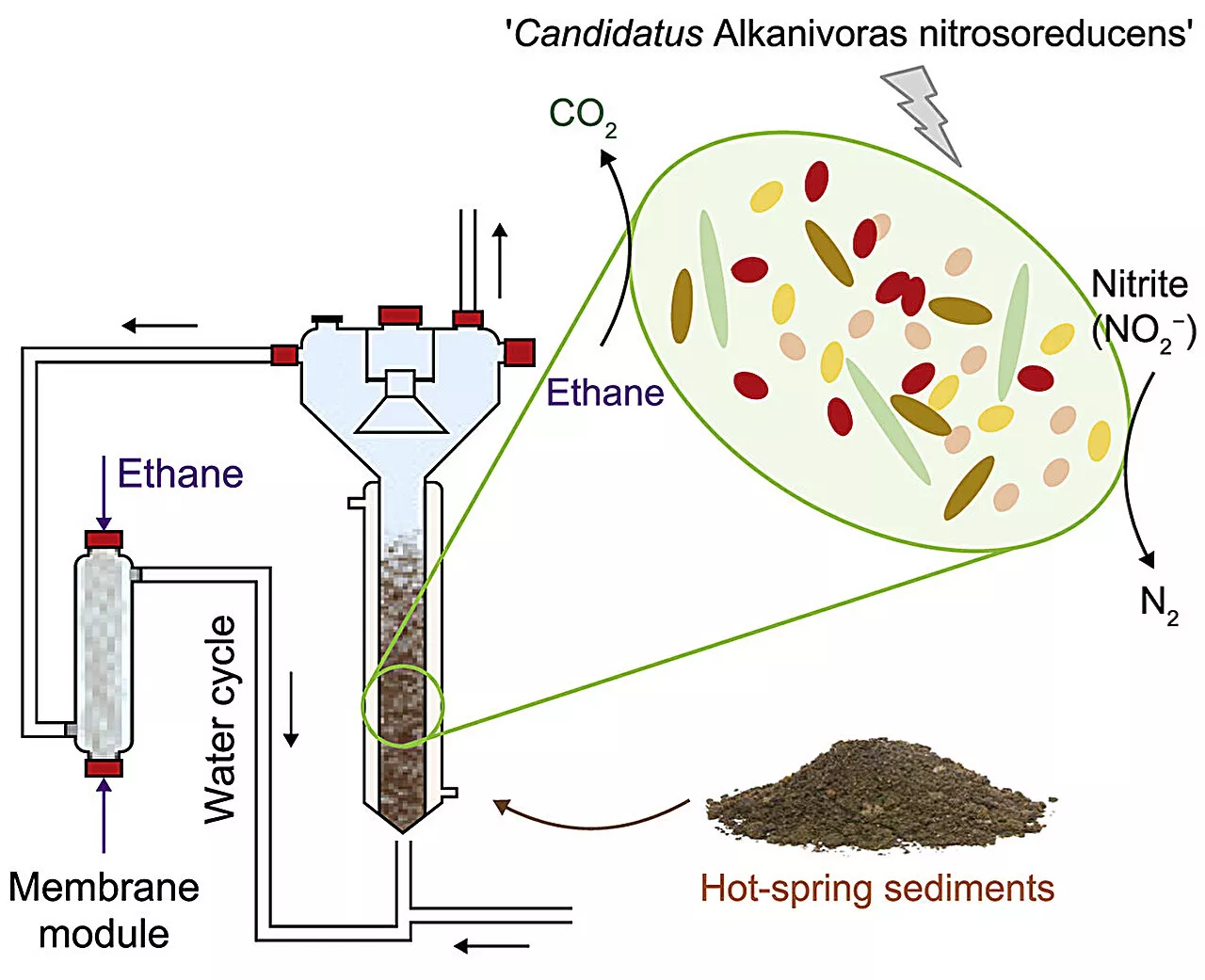 Study finds nitrite-driven anaerobic ethane oxidation in microbial culturesEthane, an overlooked greenhouse gas, can be oxidized with electron acceptors like sulfate and nitrate. Despite nitrite being a more thermodynamically feasible electron acceptor, little is known about nitrite-driven anaerobic ethane oxidation.
Read more »
 Associate Professor / Professor in Microbial Biofilms - Southampton, Hampshire (GB) job with University of SouthamptonAssociate Professor / Professor in Microbial Biofilms Microbiology Location: Highfield Campus Salary: Associate Professor Level 6 - £57,696 to £72,018.
Read more »
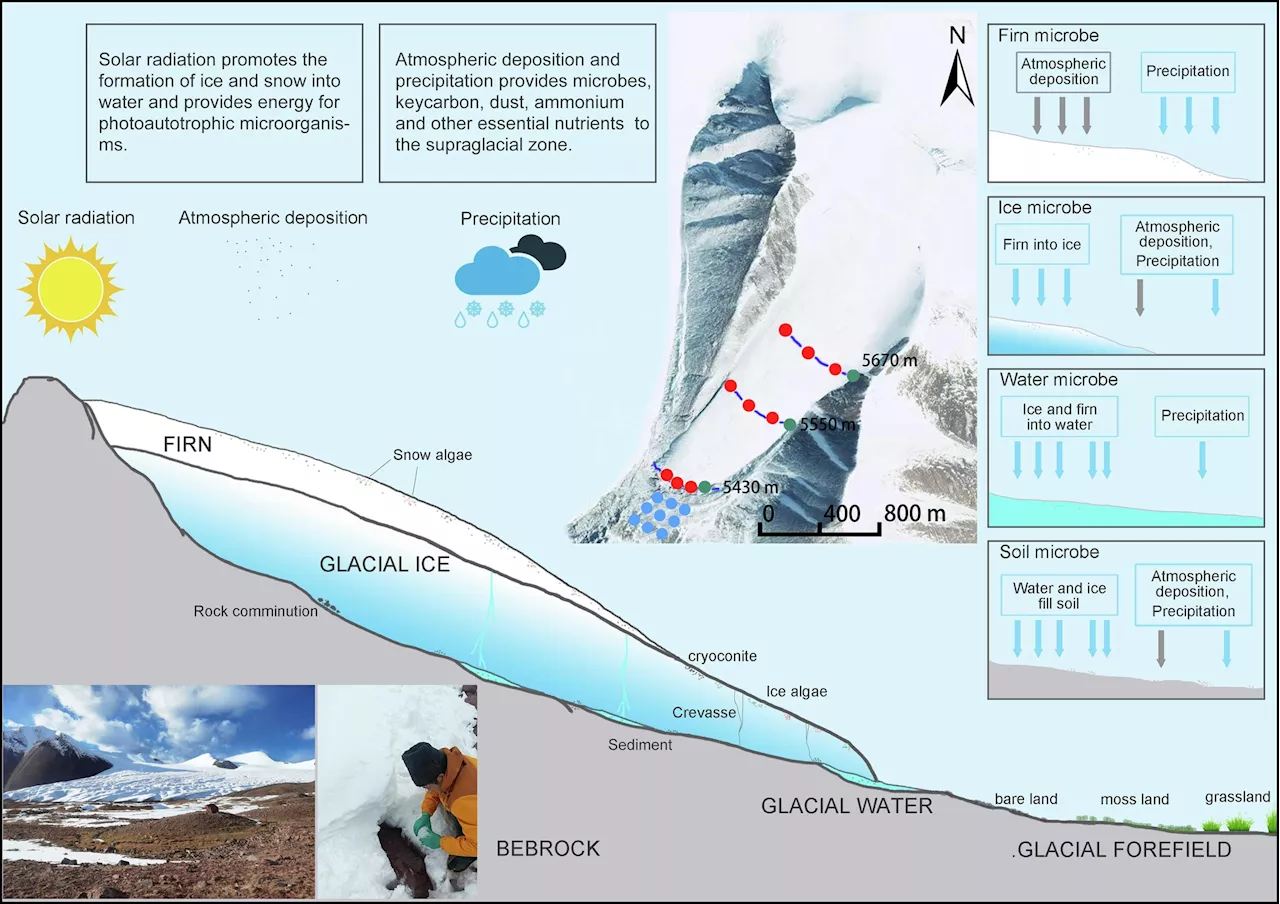 Freezing and melting reshape diversity and structure of glacier microbial communitiesWith the increasing attention on global climate change and glacier retreat, the study of glacier microbiota has gradually become an important field of research.
Read more »
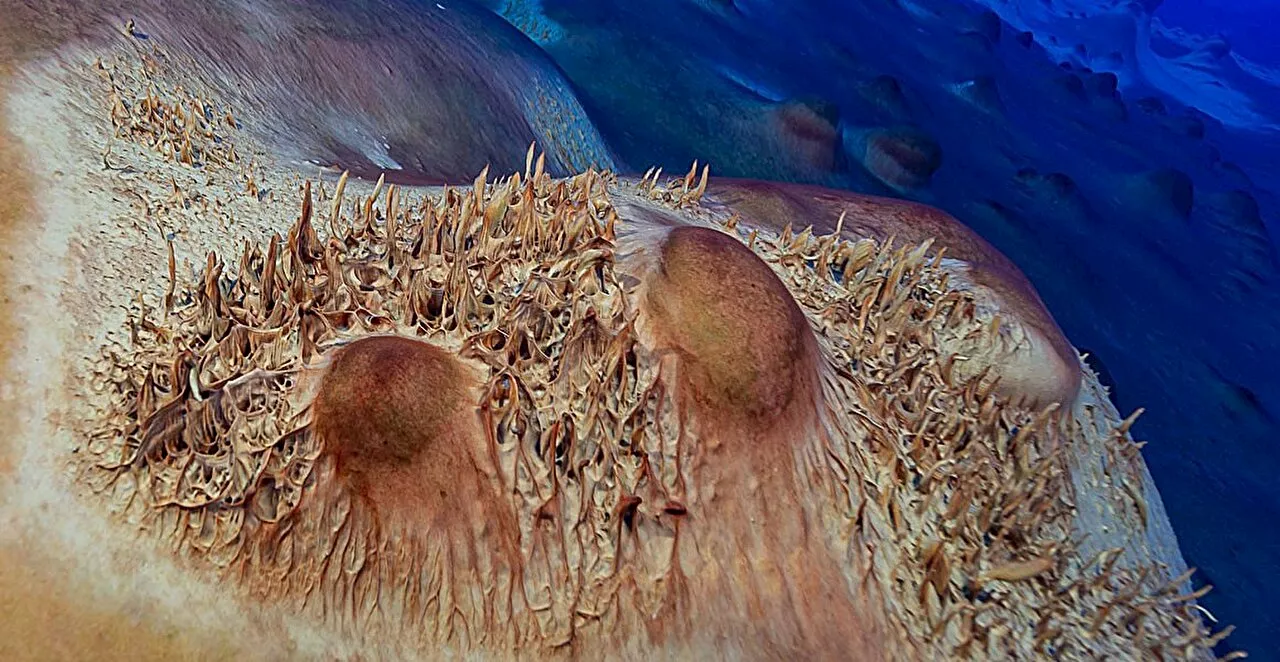 Microbial structures in Antarctic lake could reveal more about how life evolvedIn the depths of remote Antarctic lakes, communities of microorganisms are thriving where few life forms can survive. Scientists are studying structures formed by these communities to understand more about microscopic life in these extreme environments, which can offer clues about how life evolved.
Read more »