Kristina Killgrove is a staff writer at Live Science with a focus on archaeology and paleoanthropology news. Her articles have also appeared in venues such as Forbes, Smithsonian, and Mental Floss. Killgrove holds postgraduate degrees in anthropology and classical archaeology and was formerly a university professor and researcher.
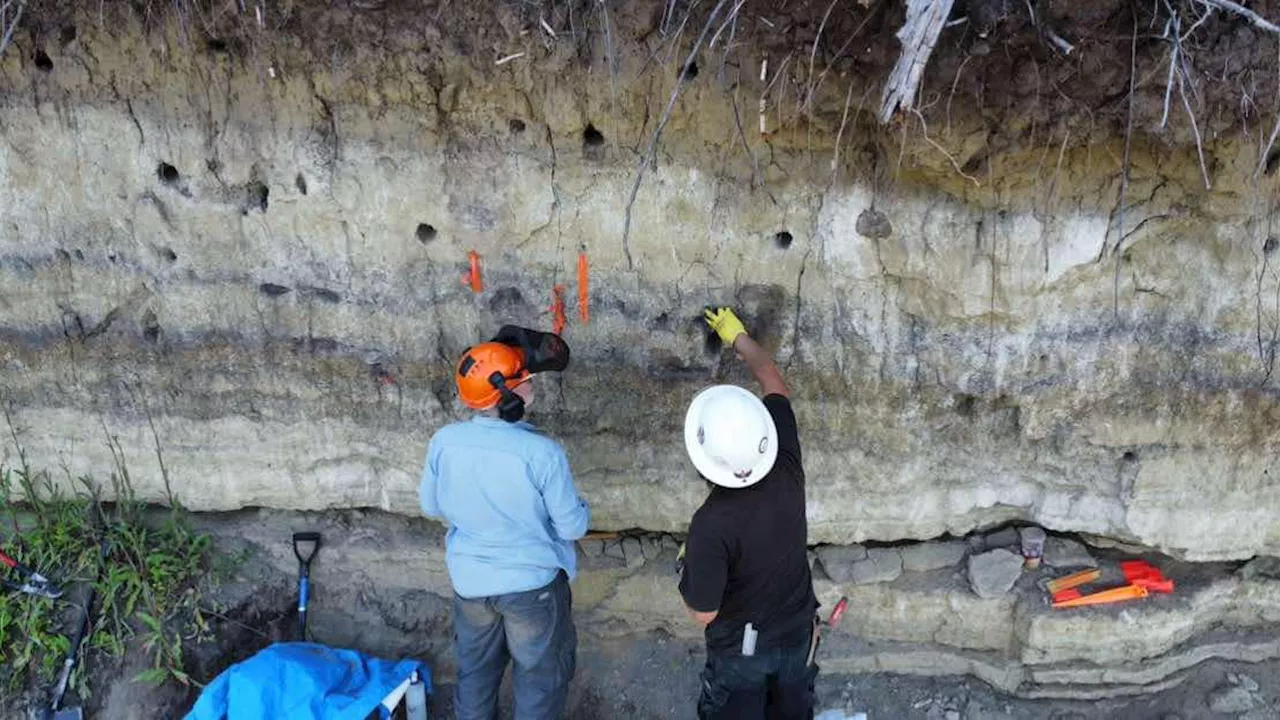
An 11,000-year-old settlement in Canada is challenging the idea that early Indigenous people were nomadic. The newly uncovered village site of Âsowanânihk, which means"a place to cross" in the Cree language, is one of the oldest archaeological sites found on the continent and suggests that an organized society existed in central Canada far earlier than experts previously thought.
Evidence already recovered from Âsowanânihk, located in the Sturgeon Lake First Nation in central Saskatchewan, includes stone tools, firepits and bison bones, according to the statement. A very large firepit suggests that the site was used for a long period, or repeatedly for shorter periods, according to, an archaeologist at the University of Saskatchewan who is involved in the project.
"This discovery is a powerful reminder that our ancestors were here, building, thriving, and shaping the land long before history books acknowledged us," SLFN Chief Christine Longjohn said in the statement."This site speaks for us, proving that our roots run deep and unbroken," she said.Get the world’s most fascinating discoveries delivered straight to your inbox.
United States Latest News, United States Headlines
Similar News:You can also read news stories similar to this one that we have collected from other news sources.
 Driving Sustainability by Forging Ties with Indigenous Businesses in Canada - SPONSOR CONTENT FROM DESTINATION CANADASponsor content from Destination Canada.
Read more »
 Trump Threatens Canada Over Tariffs, US Banks' Presence in CanadaFormer US President Donald Trump threatened Canada with tariffs over trade issues, prompting fears of a trade war. While he initially aimed to impose tariffs on Canadian goods, a potential deal emerged to postpone the tariffs. The dispute revolves around Canadian Prime Minister Justin Trudeau's handling of illegal immigration, drug smuggling, and the trade deficit. Notably, the news highlights the significant presence of US banks in Canada, which make up half of all foreign banking assets.
Read more »
 Canada Feels the Heat of Trump's Trade WarTensions escalate between Canada and the US as Trump threatens tariffs and attacks Canada's sovereignty.
Read more »
 Over 400 gold and silver Roman-era coins unearthed in the Netherlands depict rulers from Rome, Britain and AfricaKristina Killgrove is a staff writer at Live Science with a focus on archaeology and paleoanthropology news. Her articles have also appeared in venues such as Forbes, Smithsonian, and Mental Floss. Killgrove holds postgraduate degrees in anthropology and classical archaeology and was formerly a university professor and researcher.
Read more »
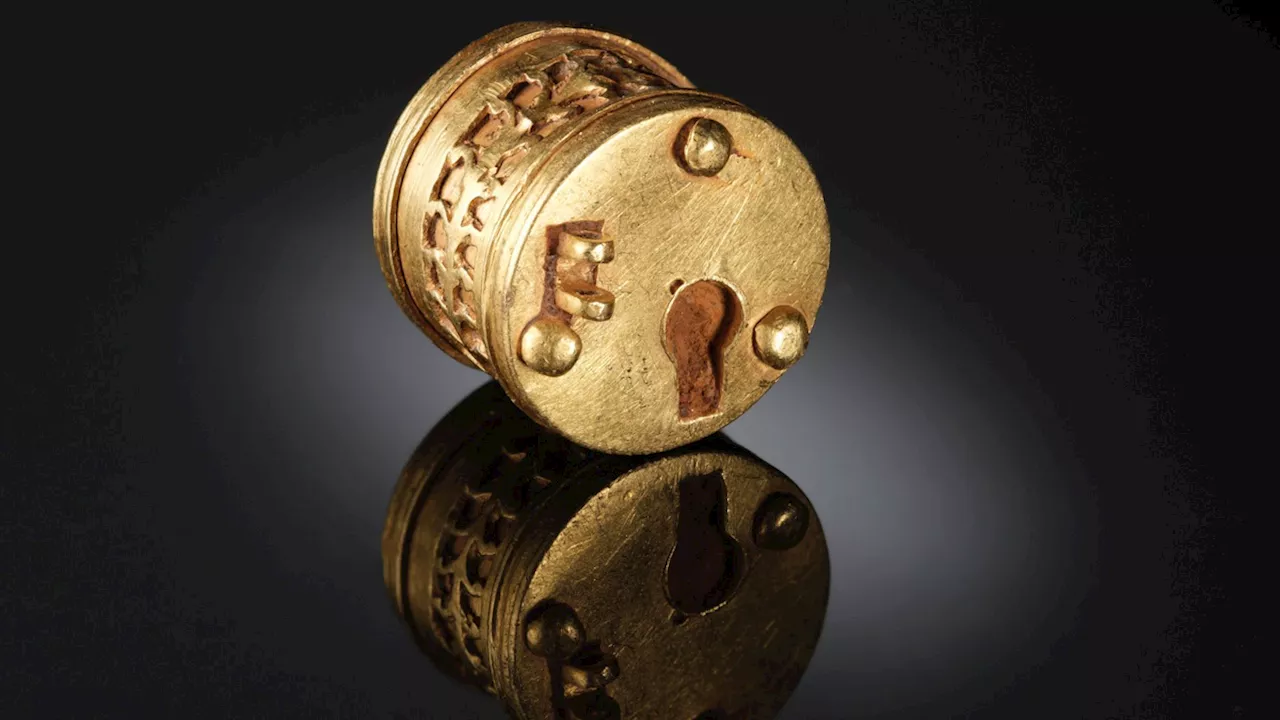 1,600-year-old Roman padlock with spring mechanism discovered in Germany — and it's tinyKristina Killgrove is a staff writer at Live Science with a focus on archaeology and paleoanthropology news. Her articles have also appeared in venues such as Forbes, Smithsonian, and Mental Floss. Killgrove holds postgraduate degrees in anthropology and classical archaeology and was formerly a university professor and researcher.
Read more »
 Human evolution quiz: What do you know about Homo sapiens?Kristina Killgrove is a staff writer at Live Science with a focus on archaeology and paleoanthropology news. Her articles have also appeared in venues such as Forbes, Smithsonian, and Mental Floss. Killgrove holds postgraduate degrees in anthropology and classical archaeology and was formerly a university professor and researcher.
Read more »