
Paralytic shellfish poisoning is caused by a neurotoxin that's produced by algae. Symptoms range from numbing sensation to full respiratory paralysis.
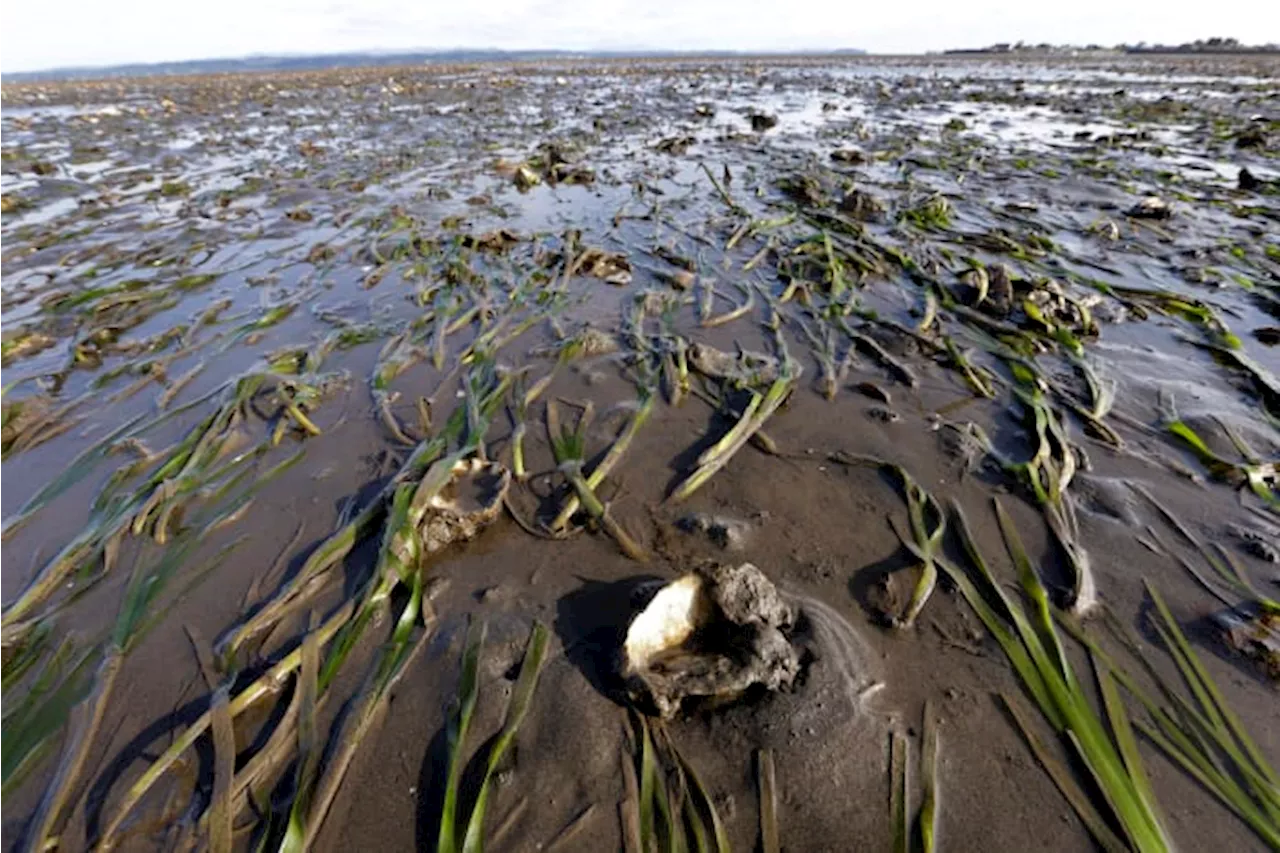
FILE - Grasses and yearling oysters, growing on the large "mother" shells planted throughout the bed, are barely covered by a thin layer of water at low tide in Willapa Bay near Tokeland, Wash. The U.S.
Food and Drug Administration says consumers should avoid shellfish from Oregon and Washington state as they may be contaminated with toxins that cause paralytic shellfish poisoning. The warning says to avoid shellfish harvested from areas around Willapa Bay in southern Washington since May 26, 2024. The U.S. Food and Drug Administration says consumers should avoid eating shellfish from Oregon and Washington state as they may be contaminated with toxins that causeto avoid oysters and bay clams harvested from Netarts and Tillamook bays in northern Oregon since May 28, as well as shellfish harvested from areas aroundsince May 26. They may be contaminated with high levels of paralytic shellfish poisoning, or PSP, a naturally occurring toxin produced by algae. Shellfish harvested from those areas during that period were distributed beyond Oregon and Washington to Arizona, California, Colorado, Hawaii, Nevada, New York. The FDA has warned restaurants and retailers in those states not to serve it.Elevated levels of toxins were first detected in shellfish on the Oregon coast on May 17, state fish and wildlife officials said. Since then, a paralytic shellfish poisoning outbreak has sickened at least 31 people in Oregon, according to the Oregon Health Authority. The agency has asked people who have harvested or eaten Oregon shellfish since May 13 to fill out a survey intended to help investigators identify the cause of the outbreak and the number of people sickened.Oregon authorities have closed the state's entire coastline to the harvesting of mussels, razor clams and bay clams. Agriculture officials have also closed three bays, including those named in the FDA advisory, to commercial oyster harvesting. Officials in neighboring Washington have also closed the state’s Pacific coastline to the harvesting of shellfish, including mussels, clams, scallops and oysters, a a shellfish safety map produced by the Washington State Department of Health shows.Paralytic shellfish poisoning, or PSP, is caused by saxitoxin, a naturally occurring toxin that’s produced by algae. Saxitoxin is a neurotoxin, meaning it can damage nerve tissue. People who eat shellfish contaminated with high levels of saxitoxins usually start feeling ill within 30 to 60 minutes, according to Oregon health officials. Symptoms include numbness of the mouth and lips, vomiting, diarrhea, shortness of breath and irregular heartbeat in severe cases. There is no antidote to PSP, according to the health agency. Treatment for severe cases may require mechanical ventilators to help with breathing.A “very large” algal bloom has resulted in “unprecedented levels” of PSP toxins along Oregon's coast, Matthew Hunter, shellfish program manager for the Oregon Department of Fish and Wildlife, said during a briefing.While the factors that create harmful algal blooms are not well understood, certain factors — resulting from both natural processes and human activities — are believed to play a role, according to the National Oceanic and Atmospheric Administration.“Studies show that many algal species flourish when wind and water currents are favorable,” the agency says on a webpage dedicated to explaining harmful algal blooms. Some blooms, it says, stem from “sluggish water circulation, unusually high water temperatures, and extreme weather events like hurricanes, floods, and drought.” Algae growth can also increase when nutrients used in fertilizers, mainly phosphorus and nitrogen, flow into bodies of water, according to the agency.Oregon officials said it may take weeks, months or even up to a year for toxin levels to subside, depending on the type of shellfish. Mussels can accumulate paralytic shellfish poison rapidly, but also rid themselves of it quickly, according to Hunter, the Oregon fish and wildlife official. Because of this, it may take anywhere from two weeks to a month for mussels to eliminate the toxin. Razor clams, however, are slower to do so. It may take them several months to a year to cleanse themselves due to the current high levels of toxin, Hunter said.Such high levels of paralytic shellfish poison haven't been detected in Oregon in decades, according to Hunter, who cited a previous shellfish harvesting closure in the state in 1992.The shellfish industry generates $270 million each year for the region's economy, according to the National Oceanic and Atmospheric Administration, and employs some 3,200 people.
Grays Harbor Willapa Bay Marine Biotoxin Washington State Department Of Health Razor Clam Clams Oyster Geoduck Scallop Moon Snails Sea Cucumber Gastropods Netarts Bay Tillamook Bay Stony Point Paralytic Shellfish Poisoning Oregon Washington Shellfish Toxins PSP Saxitoxin
United States Latest News, United States Headlines
Similar News:You can also read news stories similar to this one that we have collected from other news sources.
 Things to know about FDA warning on paralytic shellfish poisoning in Pacific NorthwestThe U.S. Food and Drug Administration says consumers should avoid shellfish from Oregon and Washington state as they may be contaminated with toxins that cause paralytic shellfish poisoning. The federal warning follows shellfish harvesting closures in both states.
Read more »
 Things to know about FDA warning on paralytic shellfish poisoning in Pacific NorthwestThe U.S. Food and Drug Administration says consumers should avoid consuming shellfish from Oregon and Washington state as they may be contaminated with
Read more »
 Things to know about FDA warning on paralytic shellfish poisoning in Pacific NorthwestThe U.S. Food and Drug Administration says consumers should avoid eating shellfish from Oregon and Washington state as they may be contaminated with toxins that cause paralytic shellfish poisoning.
Read more »
 Things to know about FDA warning on paralytic shellfish poisoning in Pacific NorthwestThe U.S. Food and Drug Administration says consumers should avoid consuming shellfish from Oregon and Washington state as they may be contaminated with toxins that cause paralytic shellfish poisoni…
Read more »
 Things to know about FDA warning on paralytic shellfish poisoning in Pacific NorthwestThe U.S. Food and Drug Administration says consumers should avoid eating shellfish from Oregon and Washington state as they may be contaminated with toxins that cause paralytic shellfish poisoning.
Read more »
 Things to know about FDA warning on paralytic shellfish poisoning in Pacific NorthwestThe U.S. Food and Drug Administration says consumers should avoid eating shellfish from Oregon and Washington state as they may be contaminated with toxins that cause paralytic shellfish poisoning.
Read more »