Roots of long-lost African American cemetery spread from Northeast Side subdivision across history and Texas.
Growing up, Traci Clay ’s father always said he was on his way to “moving home.” Each time Velmil Clay uttered the phrase, she gave him a puzzled look. She knew he grew up on the West Side and couldn’t figure out why he’d talk of returning to his old neighborhood.
ALSO READ: Retired major helps uncover long-lost African American cemetery in San Antonio neighborhood Years later, she unknowingly found the place her dad had spoken of with reverence. It was on the Northeast Side, near Northern Hills Elementary School, where she’d wait in the car for her daughter Ella, who twirled a baton in a dance class. Just beyond the school's playground was the Hockley-Clay Cemetery, a long-forgotten family property and the final resting place for many of her ancestors. “Learning the history now, I wish I had known more back then,” Clay said. “I’m getting to learn a little bit more.” Clay was one of more than 50 relatives, historians and dignitaries who recently gathered at Northern Hills Elementary's cafeteria for a DreamWeek event focused on the cemetery's history. DreamWeek is a community summit that includes panel discussions, lectures, art exhibits, classes, concerts and more. Landscape architect and historian Everett Fly hosted the Hockley-Clay Cemetery event, and said historians want to make sure people understand the significance of the cemetery. “It connects to other parts of culture, and other parts of our communities, lives and history,' said Fly, a 2014 National Humanities medalist. The 1.26 acre property is linked to the Griffin Cemetery and Winters Family Cemetery, all in African American settlements once located on the edge of Bexar County. It’s also linked to cemeteries of other Black enclaves in counties southeast of San Antonio. It’s the source of stories Clay family descendants tell of visits to the graveyard that as children, chilled some to their core. And its roots have revealed missing branches of a family tree that stretches across Texas. The bid to preserve the cemetery began when retired Air Force Maj. J. Michael Wright noticed the overgrown plot of land while walking his two children to Northern Hills Elementary each morning, and wondered what was hidden there. He began to investigate rumors that the lot was a burial ground. In 2014, his research led him to archivist David Carlson and the discovery of a cemetery deed and other documents. They reached out to Fly, who — supported by state and local historical preservation groups — began to unearth a sprawling network of data and ties to the property. They learned that the cemetery fell into disrepair after older relatives died and younger relatives didn't want to pay taxes on notices sent by the tax assessor. The trio found out owners of cemeteries are not required to pay taxes and resolved the issue for the family. 'Happy to be involved' At the recent forum, descendants of the people buried in the cemetery shared stories of how the find has affected their lives. Toni Satterwhite recalled that Easter Jane Clay, who was once the cemetery’s unofficial overseer, died at 101. Satterwhite found a shoe box in a storage room behind her grandmother Nettie Cunningham’s house, filled with funeral programs of people who were buried at the cemetery. “I’ve always loved history,” Satterwhite said. “I’m very happy to be involved and to be a descendant of Easter Jane Clay.” Iris Grant said she’s grateful to Fly for helping connect relatives with family members they’d never met. She’s worked on finding the families of homesteaders who settled in DeWitt, Castro and possibly Stephen F. Austin colonies. Grant said she’s researched genealogy and cemeteries linked to her family since 2008. She said all of the families are connected, “whether African American or European American.” Kelly Roberts worked with colleagues and the city government to preserve the Lone Star Community Cemetery in Karnes County. She said there are 176 graves, 40 of them without headstones, at the cemetery founded in 1880. Roberts said in 2021, the Texas Historical Commission designated the property as a Historic Texas Cemetery. She said in her research she’s always found each community seemed to have three cemeteries: the white cemetery, the Black cemetery and the Latino cemetery. “I sit on the Karnes Historical Commission,” Roberts said. “Because that’s how important this history of all cemeteries and histories are to me.” ALSO READ: Historian leads project to reclaim acreage of rediscovered San Antonio African American cemetery Historical significance San Antonio City Council Member Marc Whyte said he was proud the cemeteries were in his district. In February 2022, the Historic and Design Review Commission named the cemetery a local, cultural heritage district. The designation honors corridors, neighborhoods, individual buildings, objects and sites that have cultural or historic value. “That was a big moment,” Whyte said. “That was our city recognizing the significance of the Hockley-Clay Cemetery along with the other two cemeteries.” Representatives from the city’s Office of Historical Preservation Cultural historian said the designation doesn’t involve extra taxes or permits. Cultural historian Gloria Colom Braña said the district celebrates the living heritage and cultural side of a place not recognized before. Historic preservation specialist Charles Gentry said the ScoutSA online mapping program features “There’s a Story Here,” markers that share untold histories and stories of San Antonio. He said in 2019, the team kicked off the African American heritage preservation initiative and is in the final steps of getting the first national register designation for a Black church in San Antonio. He said the initiative traces the roots of families moving from surrounding counties to Bexar County. “One major goal is to dispel the myth that the Black community only existed on the East Side of San Antonio,” Gentry said. “The fact that we’re here today is part of that process of educating the community that African Americans lived all over Bexar County.” City Archaeologist Matthew Elverson said it’s important to understand what’s being looked at so findings can be put in historical context. He talked about the 1850s to 1860s, when people who were enslaved lived in Southwest San Antonio. Elverson said as new developments are planned for downtown, preserving and sharing the information with the public is imperative. ALSO READ: San Antonio archivist helps residents discover community, family history After the event, Fly walked with the group outside, down a grassy easement to the locked gates of the cemetery property. Fly said it took three years to clear the area, which had become so overgrown that sunlight couldn’t penetrate decades-old foliage. A wooden sign above the cemetery fence read, “Hockley Clay Cemetery: Land Donated By Jane Warren-Hockley. Est. Late 1800s.” Archival records said the graveyard dates to 1873 and in use until the 1970s. According to historical documents, in 1908 Jane Warren-Hockley legally had the land set aside as a designated burial ground. Beyond two aged cedar posts that were once the gateway to the graveyard, Velmil Clay, 81, recalled his grandmother Easter Hockley Clay knew who was buried in each section and would point out where caretakers could dig graves. Clay said as child, he was scared of the place they called “the graveyard.” It was the place he’d run from because that’s “where the dead people lived.” As an adult, he came to respect the lot as a historical place where his three brothers and father are buried. He carries that same reverence for long-gone forebears, who believed in order, discipline and faith. “We need more times like that,” Clay said. “You hear people say they made a living out of the earth. That’s what they did out here.”
Historian Cemetery Historical Texas Historical Commission Karnes Historical Commission Historic And Design Review Commission San Antonio City Council San Antonio African American Air Force Velmil Clay Everett Fly Traci Clay Toni Satterwhite African American Jane Clay Ella Iris Grant Marc Whyte Maj. J. Michael Wright Velmil Clay Kelly Roberts Charles Gentry Nettie Cunningham Matthew Elverson David Carlson Easter Hockley Clay Black National Humanities Grant European American Jane Warren-Hockley Gloria Colom Braña Stephen F. Austin Castro Latino Whyte Hockley-Clay Cemetery Northern Hills Elementary School San Antonio Texas West Side Bexar County Winters Family Cemetery Griffin Cemetery Lone Star Community Cemetery Historic Texas Cemetery Karnes County Southwest San Antonio East Side Dewitt Dreamweek Scoutsa Hockley Clay Cemetery: Land Donated There's A Story Here Office Of Historical Preservation Cultural
United States Latest News, United States Headlines
Similar News:You can also read news stories similar to this one that we have collected from other news sources.
 Briefly a Buckeye, Texas QB Quinn Ewers returned to his roots to lead Longhorns' resurgenceTexas quarterback and Texas native Quinn Ewers once played for Ohio State. After spending a semester deep on the depth chart in Columbus, Ewers headed back home to become the leader of Steve Sarkisian’s rebuilding project with the Longhorns.
Read more »
 Tracing Family Roots: Henry Louis Gates Jr. Explores Ancestry in New Season of 'Finding Your Roots'Renowned scholar Henry Louis Gates Jr. delves into the ancestry of prominent figures like Joy Behar and Michael Imperioli, revealing their family histories and the challenges faced by their ancestors in Calabria, Italy, and the United States.
Read more »
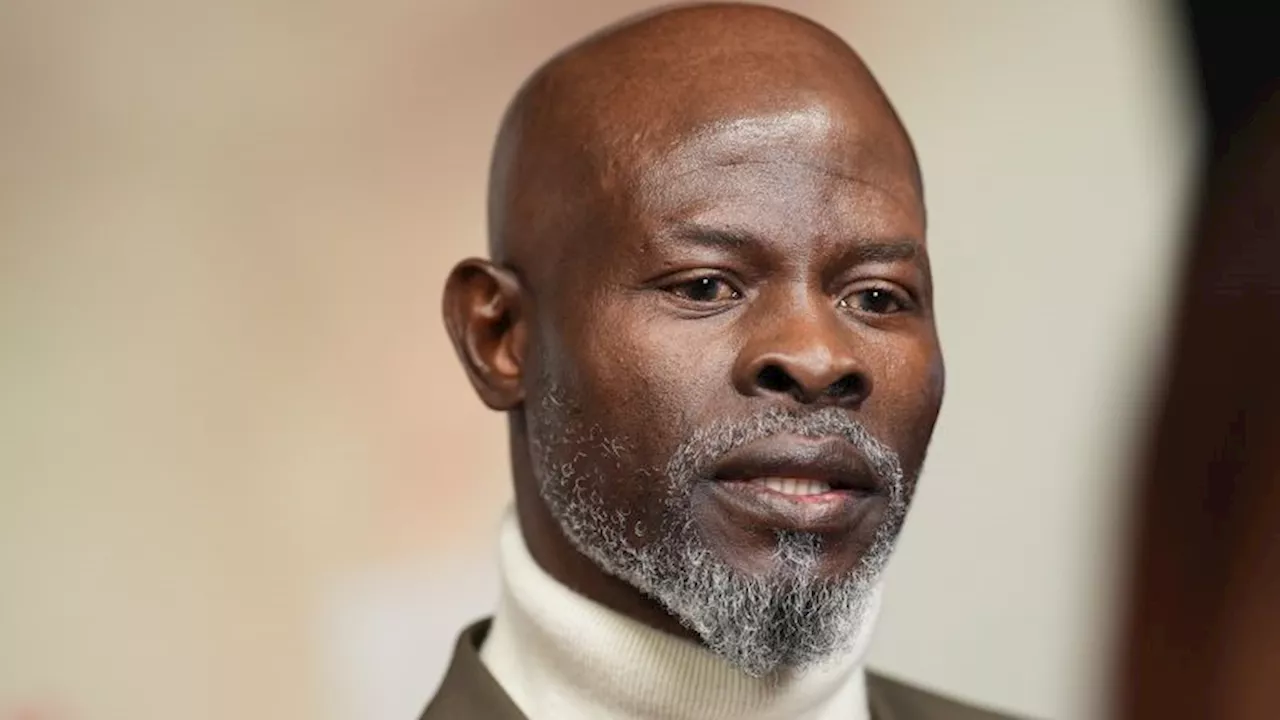 Djimon Hounsou on battling ‘systemic racism,’ and reconnecting Black people to their African rootsTwo-time Oscar-nominated actor Djimon Hounsou talks about his philanthropic work, and how ‘systemic racism’ means he’s still struggling to make a living.
Read more »
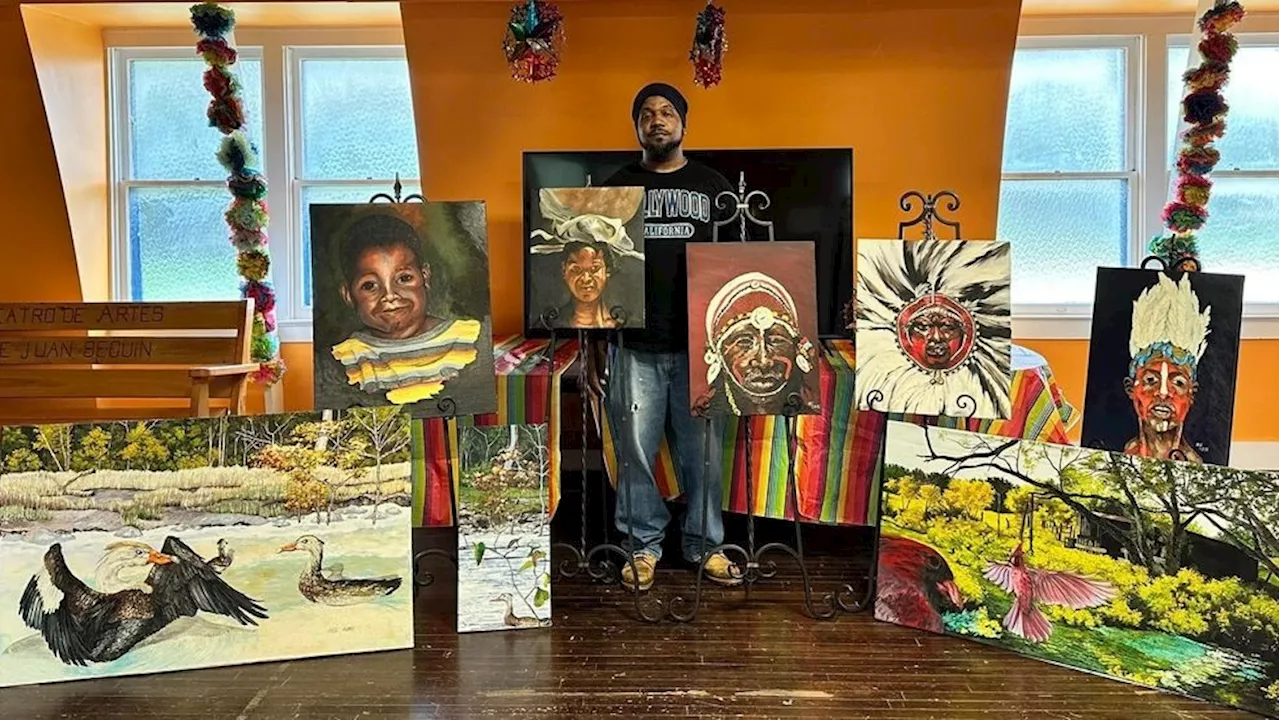 Roots of Resilience: African-American community art exhibit comes to Seguin!SEGUIN, Texas - A new community art exhibit aims to tell the story the stories of African decendants
Read more »
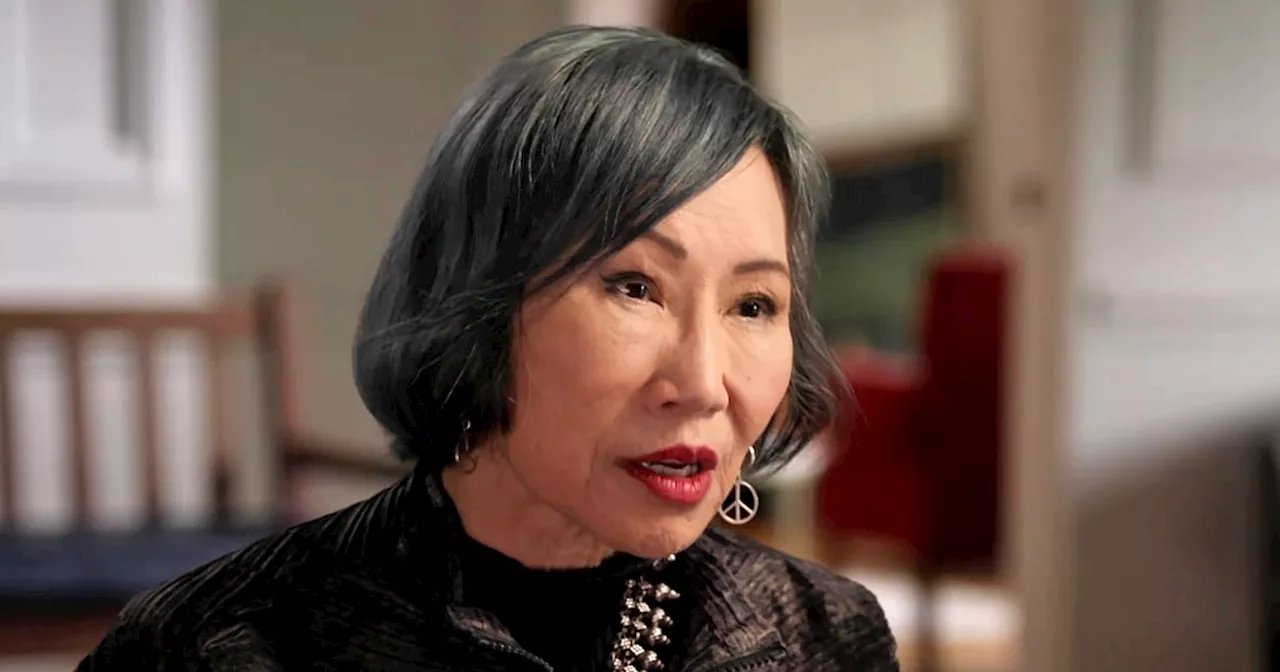 Amy Tan Finds Inspiration in Family Roots on 'Finding Your Roots'Celebrated novelist Amy Tan delves into her family history on 'Finding Your Roots,' uncovering a rich heritage spanning over 800 years. The experience inspires her to explore new writing avenues and sheds light on her father's legacy.
Read more »
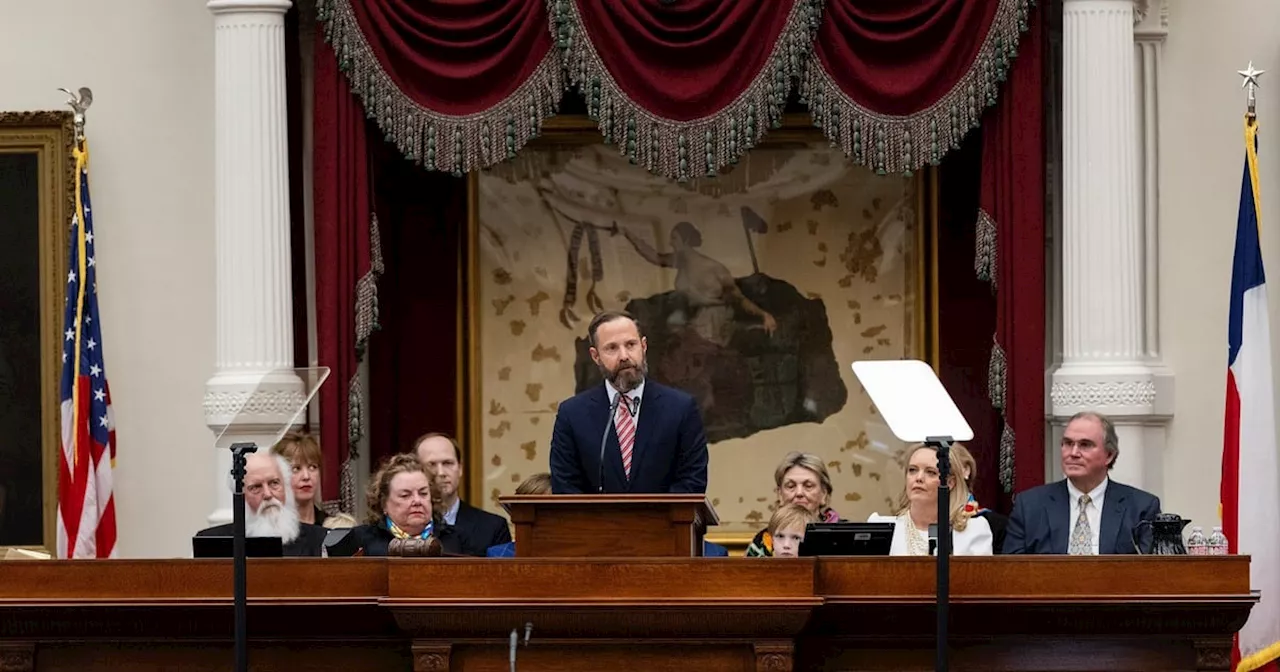 Lubbock's New Speaker: West Texas Optimism and Rural RootsDustin Burrows, a Lubbock Republican, was elected Speaker of the Texas House. His victory, supported by Democrats, has brought a sense of optimism to West Texas, as his rural background and understanding of local needs are expected to influence legislative priorities.
Read more »