
On July 21, 1925, British racing icon Malcolm Campbell pushed the car to an unprecedented speed.
The “ Blue Bird ” car is expected to return to historic Pendine Sands in south-west Wales. A century ago, this beach witnessed a motoring milestone: the moment a 350-horsepower Sunbeam car named Blue Bird roared into the record books.
On July 21, 1925, British racing icon Malcolm Campbell pushed the car to an unprecedented speed. With its 18-litre V12 Manitou aero engine, he accelerated along the sand, becoming the first person to break the 150 miles per hour barrier on land, reaching an incredible 150.76 mph . Reuters reports the original Blue Bird car is set to return to Pendine Sands, commemorating its historic achievement there.It’ll be wheeled onto the beach for a ceremonial start-up, with Malcolm’s grandson, Don Wales, present.In the 1920s, Pendine Sands reportedly became the premier location for land speed records. “National Motor Museum engineers will start up the record-breaker at Pendine to mark the 100th anniversary and aim to take it on to the beach for a static photo opportunity, before putting it on show outside the Museum of Land Speed,” the museum stated.Land speed recordBack then, 150 mph was an astonishing speed, even though today’s sports cars routinely hit that on racetracks and German autobahns.Campbell’s grandson noted that this 1925 record ignited a “mania for speed,” capturing immense public attention, particularly because it surpassed the “magic mark of 150.”“Everybody wanted to hear about who’s got the land speed record, and it was sparked, I think, by this record that my grandfather achieved,” Wales told Reuters. Campbell had previously set a record of 146.16 mph at Pendine in 1924 and later, in 1935, became the first to exceed 300 mph at the Bonneville Salt Flats.The land speed record has continued to evolve dramatically. Today, it stands at 763.035 mph, set in 1997 by retired British Royal Air Force pilot Andy Green in the jet-powered Thrust SSC, breaking the sound barrier on land for the very first time.Car is now preserved The record has remained unbroken, though ambitious projects like the Bloodhound and Aussie Invader 5R continue to seek funding to push past the 1,000 mph mark.Don Wales, himself a record-holder with a steam-powered vehicle and even a lawn mower, suggested that the space race and the rising popularity of Formula One might be contributing to the diminishing interest in land speed records.The Blue Bird car is now preserved by the National Motor Museum at Beaulieu. After being saved from a barn in the 1950s, the car sat untouched at Beaulieu for over thirty years until a failed attempt to restart it in 1993.Chief Engineer Ian Stanfield explained to the BBC that the engine, after sitting idle for over 30 years, predictably seized. This caused extensive damage, including a sprung con rod, a smashed crankcase, and harm to several valves and pistons. Reportedly, rebuilding the engine took about ten years, complicated by the original Sunbeam factory’s destruction in World War Two and a minimal budget, requiring parts to be begged and borrowed.Even with the current difficulties in pursuing new land speed records, the inspiring legacy of pioneers like Campbell lives on.
Car Culture Energy &Amp Environment Inventions And Machines Malcolm Campbell Pendine Sands Sunbeam Car
United States Latest News, United States Headlines
Similar News:You can also read news stories similar to this one that we have collected from other news sources.
 Berkeley, a Look Back: City getting ready for fire season in June 1925The local government had bought several pieces of equipment and prepared sirens on Grizzly Peak and elsewhere.
Read more »
 What The New Yorker Was Reading in 1925Thomas Mallon reviews “A Passage to India,” by E. M. Forster, “The Green Hat,” by Michael Arlen, and books by Anne Douglas Sedgwick, John Galsworthy, and Hugh Walpole, all recommended in the magazine’s début issue.
Read more »
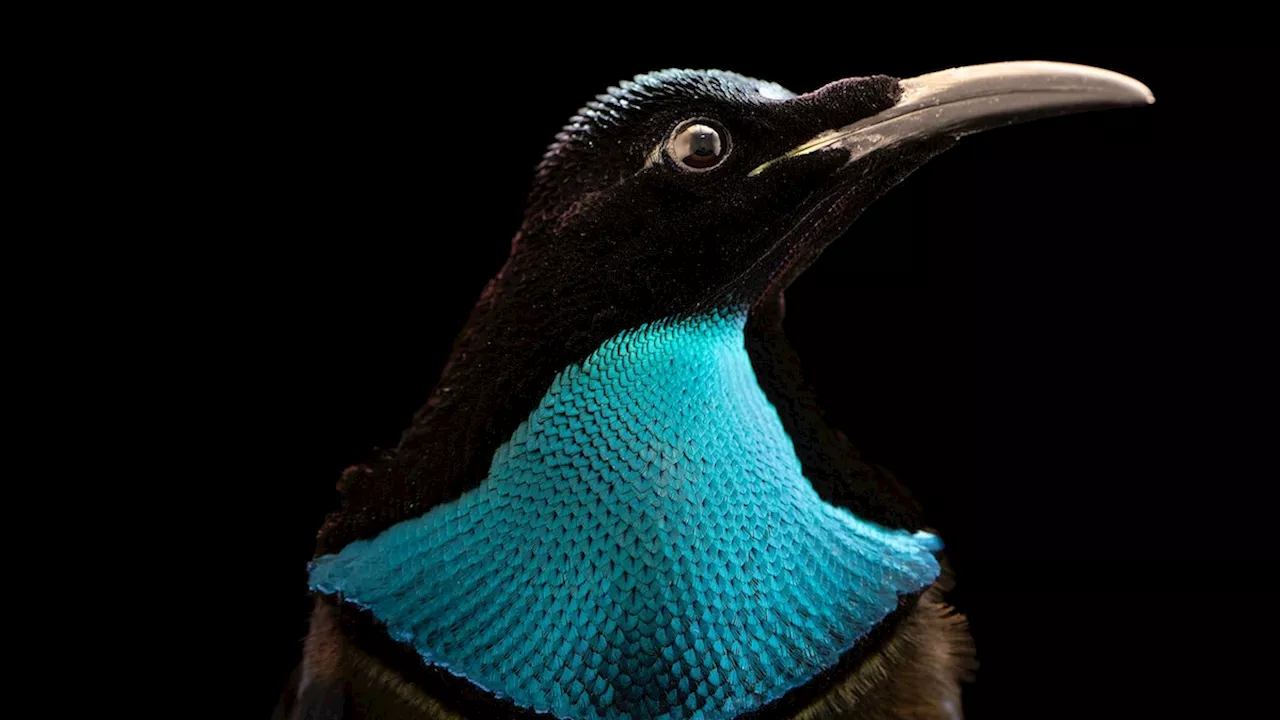 These flamboyant birds are the 17,000th species to enter Nat Geo's Photo ArkA horizontal diptych of lesser bird-of-paradise (left) and Raggiana bird-of-paradise (right).
Read more »
 Vacant Jersey Shore school will be demolished after standing for 100 years, officials sayThe New Jersey Avenue school in Atlantic City opened in 1925.
Read more »
 New Fortune’s ‘Monkeys’ aims to re-create the experience of famed 1925 trialThe Scopes Monkey Trial, which challenged the teaching of evolution in public schools is at the heart of unique immersive production
Read more »
 A century since record heat baked AlabamaHot weather was the theme of the summer of 1925.
Read more »