
I am a scientist, businessman, author, and philanthropist. For nearly two decades, I was a professor at Harvard Medical School and Harvard School of Public Health where I founded two academic research departments, the Division of Biochemical Pharmacology and the Division of Human Retrovirology.
This story is part of a series on the current progression in Regenerative Medicine . In 1999, I defined regenerative medicine as the collection of interventions that restore tissues and organs damaged by disease, injured by trauma, or worn by time to normal function.
I include a full spectrum of chemical, gene, and protein-based medicines, cell-based therapies, and biomechanical interventions that achieve that goal. In this subseries, we focus specifically on gene therapies. We explore the current treatments and examine the advances poised to transform healthcare. Each article in this collection delves into a different aspect of gene therapy's role within the larger narrative of Regenerative Medicine. Certain breakthroughs in science and medicine shine as beacons of hope, offering new possibilities in the battle against diseases. One such glimmer has emerged for those facing amyotrophic lateral sclerosis , also known as Lou Gehrig's disease, with a gene therapy from Umeå University promising to slow disease progression significantly.This progressive neurodegenerative disease affects the nerve cells in the brain and spinal cord. ALS can drastically impair a person's physical abilities, leading to movement, speech, and breathing difficulties. Despite the difficulties brought about by the disease's complexity, they persisted in their search for a cure. Their quest led them to a patient with a highly aggressive form of ALS. During their study with this patient, the researchers made a discovery that could have widespread implications for treating ALS. Although the specifics of the discovery have yet to be revealed to the public, it is evident that this breakthrough could be significant in the fight against this devastating disease.OpenAI Gets Better Memory, New Lawsuits, And Sora’s First Music Video The study concentrates on a particular patient from southern Sweden who was suffering from a severe form of Amyotrophic Lateral Sclerosis caused by, which can attack and damage the neurons responsible for motor function, leading to the progression of the disease. The patient's initial diagnosis was highly pessimistic, with Frančula, N. . Multidisciplinary Digital Publishing Institute . Geodetski list, 77, 181-182.every four weeks at a university hospital in Copenhagen, Denmark, where the patient was given a high dose of a virus carrying a gene that could target the mutated SOD1 gene. The gene therapy was designed to deliver a healthy gene capable of producing a normal SOD1 protein, which replaced the mutated one. It was found that the treatment led to a significant decrease in the levels of the disease-causing SOD1 protein in the patient's cerebrospinal fluid, which indicated that gene therapy was effective in targeting the root cause of the problem. Furthermore, the patient displayed positive clinical outcome measures, including increased strength and motor function and a halt in the progression of ALS. While more research and testing are necessary to determine the safety and long-term efficacy of the gene therapy, the results of the study provide promising evidence that it could be used as a therapeutic option for patients who have ALS caused by SOD1 mutations.not just for ALS patients with SOD1 mutations but potentially for others grappling with different ALS forms. While this therapy targets aWhile the Umeå University study offers encouraging prospects, it's crucial to acknowledge the limitations and the need for continued exploration. This therapy, as of now, does not cure ALS but offers a means to arrest its progression, allowing patients like the one from southern Sweden to maintain a level of normalcy and activity previously deemed impossible. Looking forward, the scientific community is invigorated by gene therapy's promise of treating ALS. However, realizing its complete potential calls for comprehensive research spanning various ALS types and understanding the long-term efficacy and safety of such treatments.The success story at Umeå University underscores the potent combination of perseverance, innovation, and the promise of gene therapy in confronting ALS. While challenges lay ahead, the path is now lit with optimism, guiding efforts to turn the tide against this relentless disease. In reflection, progress embodies more than scientific achievement; it symbolizes hope for countless individuals awaiting breakthroughs in ALS treatment. It's a poignant reminder of the power of research and dedication in unlocking new horizons for medical science, marking a significant step towards mitigating the impact of one of neurology's most daunting adversaries. As we herald this landmark phase in ALS research, it's essential to remain grounded in the reality of the disease's complexity and the varied manifestations across patients. Nonetheless, this beacon of hope ignites a collective aspiration among researchers, healthcare professionals, and patients, fueling the pursuit of a future where ALS's grip on lives is significantly loosened.
Umeå University SOD1 Northern Sweden ALS Lou Gehring Lou Gehring's Disease Amyotrophic Lateral Sclerosis Gene Therapy Innovation Gene Therapy For ALS
United States Latest News, United States Headlines
Similar News:You can also read news stories similar to this one that we have collected from other news sources.
 Republican Harvard Alumna Calls for Justice in Antisemitic Incident at Harvard UniversityA Republican Harvard alumna has written a letter to Harvard University's leadership, demanding justice for an antisemitic incident that occurred on campus. The incident involved the physical assault of an Israeli student by members of the Harvard Palestine Solidarity Committee.
Read more »
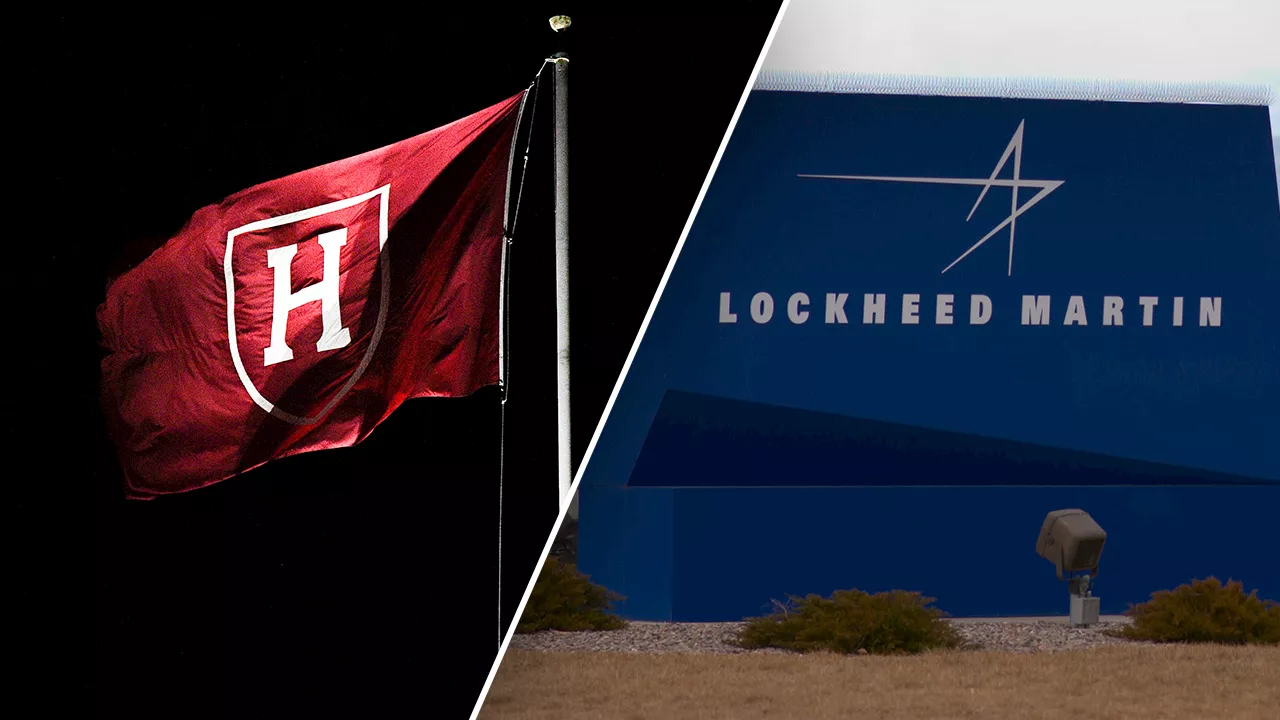 Federal judge says Harvard Medical School professor engaged in ‘rampant plagiarism’ for Lockheed Martin trialA federal judge has ruled Harvard Medical School assistant professor Dipak Panigrahy plagiarized large portions of an export report for a Lockheed Martin lawsuit.
Read more »
 Boston, Massachusetts (US) job with Harvard Medical School and Brigham and Women's HospitalPostdoc Fellow / Senior Scientist The Yakoub and Sulzer labs at Harvard Medical School-Brigham and Women’s Hospital and Columbia University are developing collaborative projects to explore transformative ideas focused on brain disease mechanisms and therapies and developing cutting-edge technologies for neuroscience.
Read more »
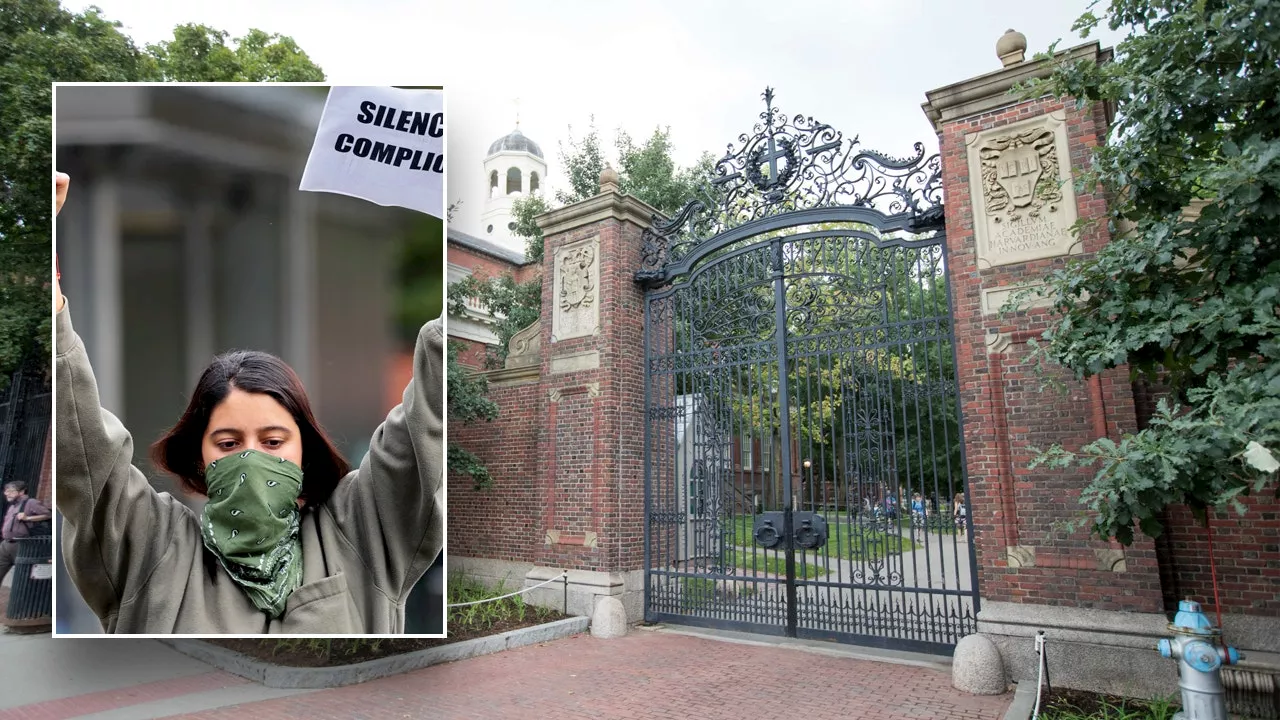 Harvard closes Harvard Yard as anti-Israel protesters take over Ivy League campuses across country: reportHarvard University is reportedly restricting access to Harvard Yard this week as anti-Israel protesters take over open areas of other Ivy League campuses.
Read more »
 High school softball: Southern Section playoff pairingsHigh school softball: Southern Section playoff pairings, division by division, including wild-card games.
Read more »
 High school baseball: Southern Section playoff pairingsHigh school softball: Southern Section playoff pairings, division by division, including wild-card games.
Read more »