
New research using speleothem and ice core data reveals the Laacher See volcano eruption occurred earlier than previously thought, eliminating its role in triggering the Younger Dryas cold period. This breakthrough in dating climate archives provides valuable insight into past climate relationships and aids in predicting future climate changes.
The synchronization of data from two natural climate archives - a speleothem from the Herbstlabyrinth Cave in Hesse (Germany) and ice cores from Greenland - offers new insights into the chronology of abrupt climate change s in Central Europe . Geoscientists have found that the devastating eruption of the Laacher See volcano in Rhineland-Palatinate occurred earlier than previously assumed, ruling out its direct link to the sudden cold period approximately 13,000 years ago.
Research by scientists from Heidelberg University and Mainz University confirmed this finding. They precisely dated the volcanic eruption and estimated its climatic impact. The last eruption of the Laacher See volcano is considered one of the most devastating events of the past two million years, with effects reaching as far as northern Italy, Scandinavia, and Russia. The timing of the eruption and its connection to the Younger Dryas cold period have been subjects of scientific debate. A new temporal classification in 2021, using radiocarbon dating of tree trunks, suggested the eruption occurred 130 years earlier than previously thought. The research team from Heidelberg and Mainz confirmed this new date using a speleothem from the Herbstlabyrinth Cave in Breitscheid, Hesse. Since volcanic eruptions release high amounts of sulfur, this signal should be present in the speleothem. High-resolution sulfur and oxygen isotope measurements taken by an ion probe in Heidelberg were crucial in determining this. The ion probe allows for precise measurements of various isotope ratios and trace elements at a micrometer level. The geochemical data synchronized with an unattributed sulfate peak in Greenland ice cores. Statistical analyses, led by Prof. Dr. Denis Scholz, an expert in age determination of historical climate fluctuations at the Institute for Geosciences at Mainz University, solidified the findings. This synchronization represents a breakthrough for dating climate and environmental archives, as before, no absolutely dated time marker existed before the Younger Dryas cooling. Dr Sophie Warken, who researches climatic changes of past millennia at the Institutes of Earth Sciences and Environmental Physics at Heidelberg University, states that the new age determination shows the eruption occurred about 150 years before the Younger Dryas cold period. This excludes any causal relationship between the volcanic eruption and the abrupt climate change, explains Dr. Warken. The identification of sulfate spikes in Greenland ice cores allowed the research team to draw conclusions about the climatic events at the beginning of the Younger Dryas. Previously, it was unknown whether the climatic changes associated with this approximately 1,000-year cold period occurred simultaneously in the North Atlantic region and Europe or if it spread from Greenland to Central Europe over several decades or even centuries. Our results indicate a simultaneous significant temperature drop, suggesting a direct link between the Central European and Arctic climates, explains Dr. Warken. The research results offer new perspectives for understanding complex past climate relationships and provide a solid basis for more precise predictions of future climate developments, as emphasized by Sophie Warken. The research was part of the collaborative 'Terrestrial Magmatic Systems' (TeMaS) project, conducted jointly by Heidelberg University, Goethe University Frankfurt (Main), and Mainz University, funded by the state of Rhineland-Palatinate and others. Additional funding was provided by the German Research Foundation and the European Research Council. The findings were published in the journal 'Science Advances.
Geology Archaeology Climate Change Volcanic Eruption Younger Dryas Speleothem Ice Cores Laacher See Central Europe Climate History Dating Methods
United States Latest News, United States Headlines
Similar News:You can also read news stories similar to this one that we have collected from other news sources.
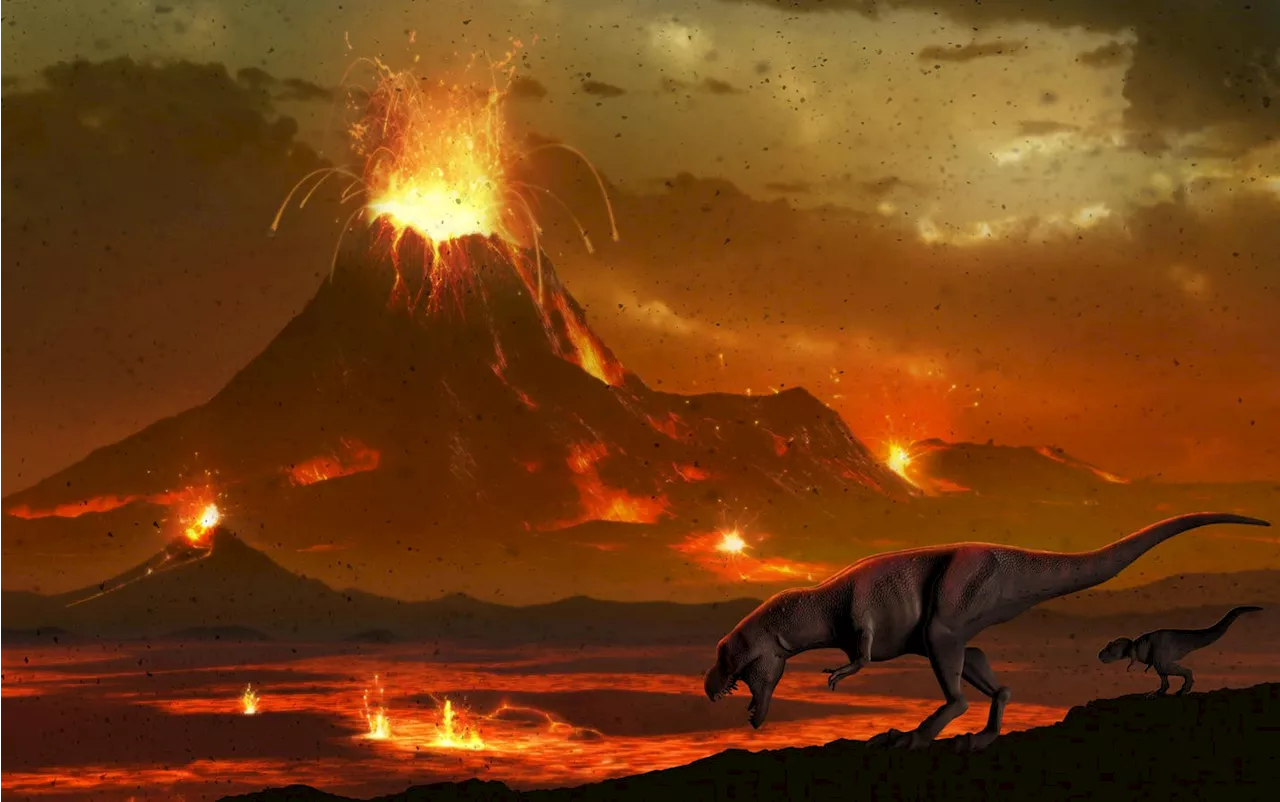 Meteorite Impact, Not Volcanic Eruption, Caused Mass Extinction at End of Cretaceous PeriodNew research shows that while volcanic eruptions caused a temporary climate change 66 million years ago, the effects had already subsided before the meteorite impact. Scientists conclude that the meteorite impact was the ultimate cause of the mass extinction event.
Read more »
 The Year Without a Summer: How a Volcanic Eruption Shaped HistoryThis article explores the far-reaching consequences of the 1815 Mount Tambora eruption, including its impact on the weather, literature, and a pivotal historical battle - the Battle of Waterloo.
Read more »
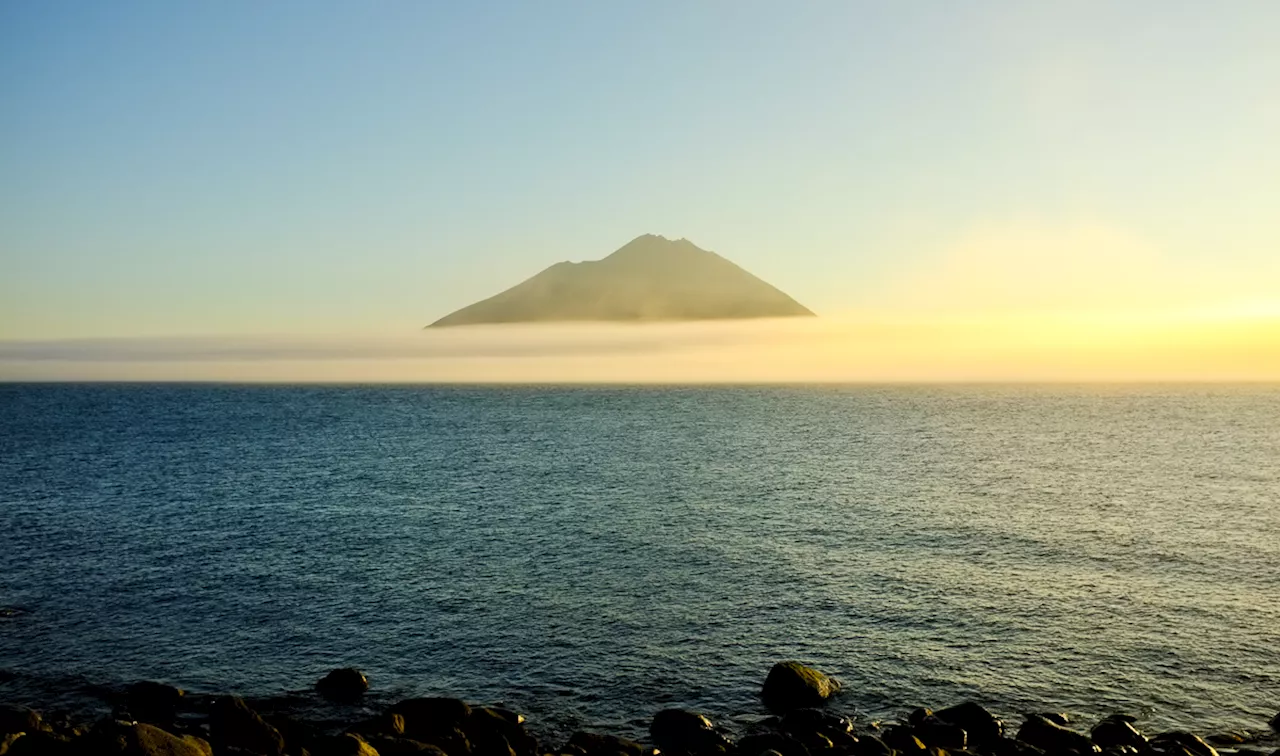 1831 Volcanic Eruption Mystery Solved, Kuril Islands Identified as SourceA 200-year-old volcanic eruption mystery has been solved, pinpointing the Kuril Islands as the source of a massive event that caused global famines and crop failures. Scientists used advanced technology to analyze ash shards from polar ice cores, confirming the impact of a volcano on the remote chain of islands between Russia and Japan.
Read more »
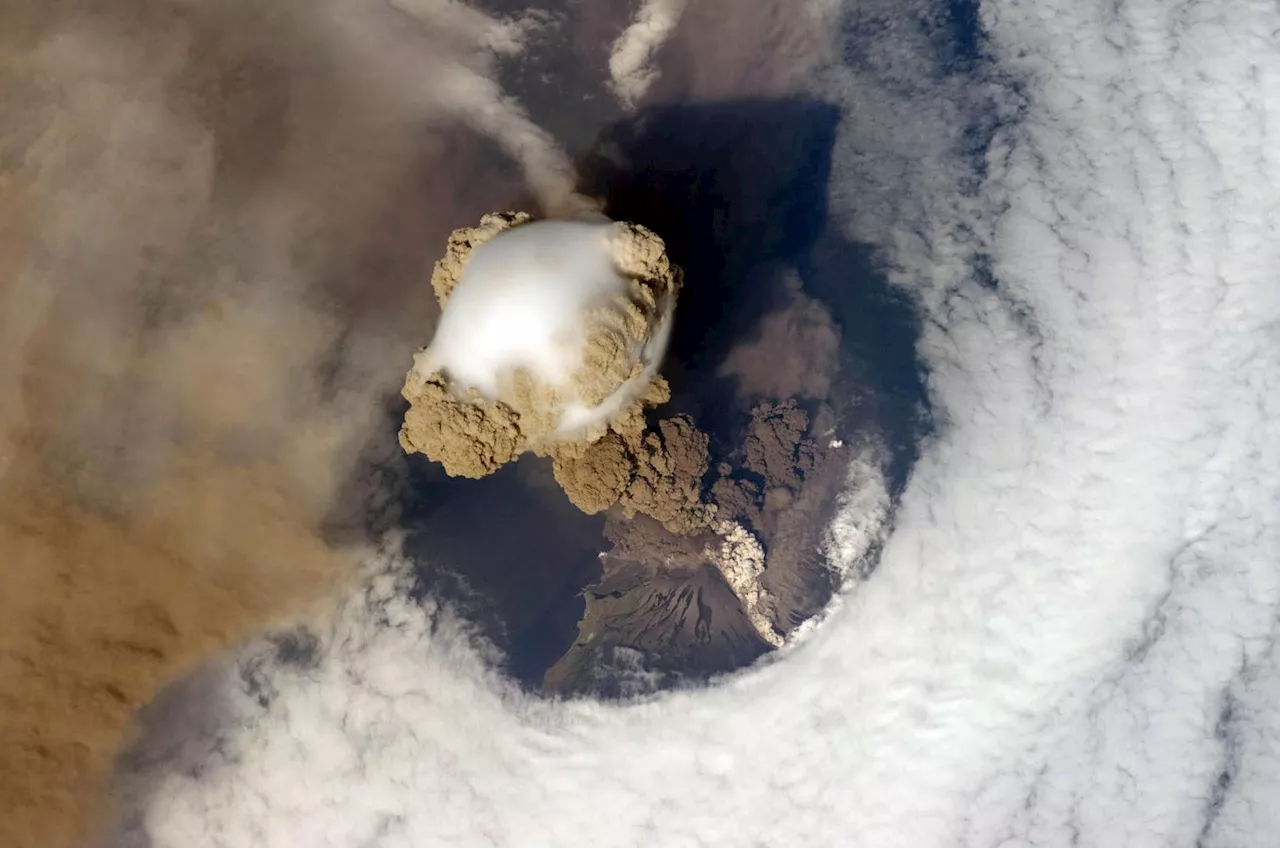 1831 Volcanic Eruption Finally IdentifiedScientists have solved the mystery of a giant volcanic eruption that occurred almost 200 years ago, causing a global cooling effect. By analyzing ash traces preserved in ice cores from Greenland, they identified the volcano as Simushir, located on a remote island in the Kuril Islands, disputed territory between Russia and Japan.
Read more »
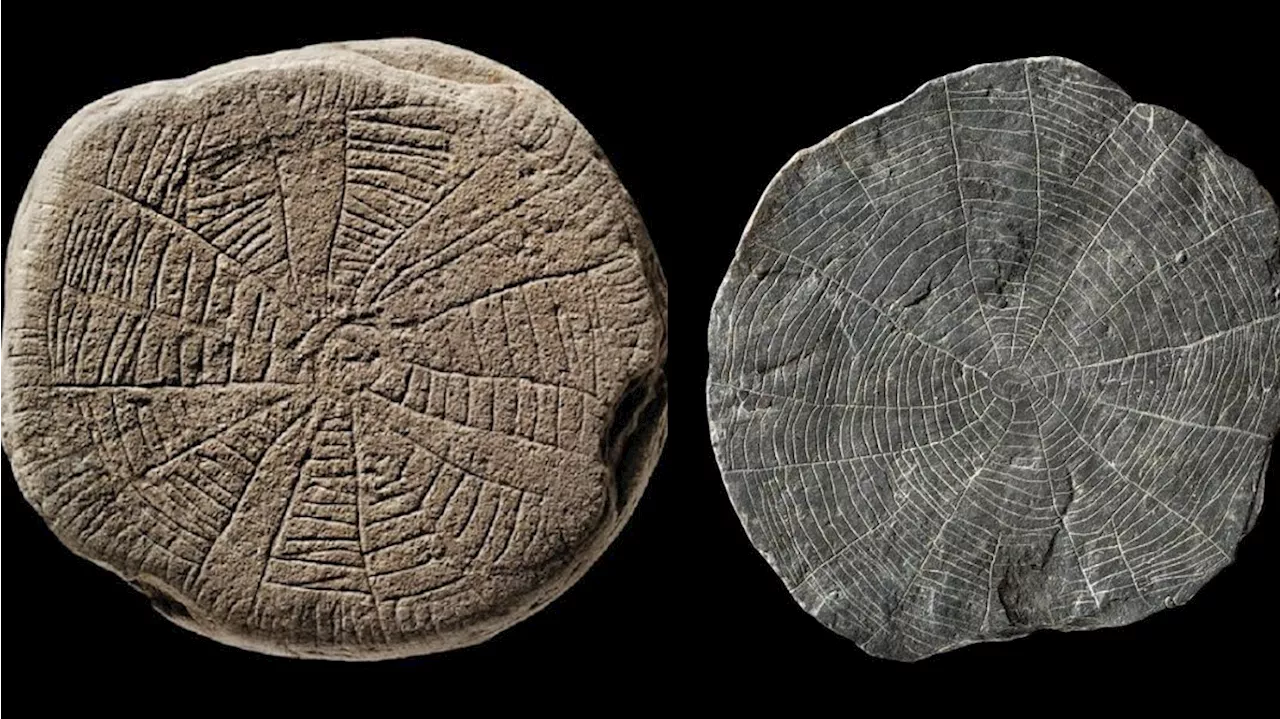 Volcanic Eruption May Explain Neolithic Sun Stone BurialArchaeologists suggest a volcanic eruption in 2910 B.C. could have prompted Neolithic people on the Danish island of Bornholm to bury hundreds of decorated stones featuring sun and plant imagery.
Read more »
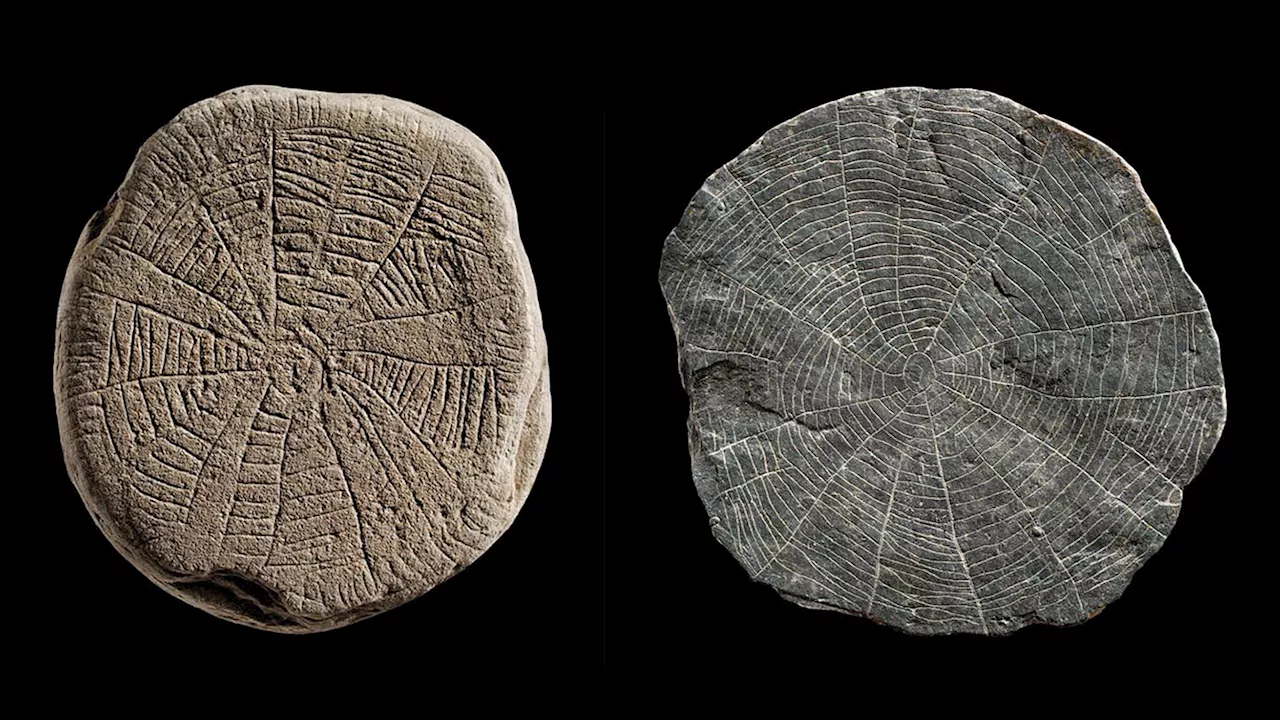 Stone Age Culture Sacrificed Sun Stones to Coax Back Sun After Volcanic EruptionArchaeologists discovered over 600 decorated stones buried in ritual sites on the Danish island of Bornholm. The stones feature motifs of the sun and plants, suggesting they were offerings meant to appease the sun and ensure the return of crops. Analysis of ice cores points to a volcanic eruption around the same time the stones were buried, potentially causing global cooling and impacting harvests. The researchers speculate that the Funnel Beaker culture, who created the stone offerings, may have been attempting to alleviate the negative effects of the volcanic eruption.
Read more »