
Researchers are working to create plant-based cheese that replicates the taste, texture, and functionality of traditional dairy cheese. They are studying various plant proteins and their interactions with oils and starch matrices to achieve the desired melting, stretching, and oil release characteristics. This research aims to provide a healthy and sustainable alternative to dairy cheese.
Scientists are working to produce plant-based cheese with all the characteristics of real cheese, but with better health benefits. To create a cheesy product with the same texture as the real thing, they looked at a variety of physical attributes such as the melting, stretching, and oil-release upon grilling and heating and studied isolates from three proteins and how they interacted with the oil and with the starch matrix of the cheese alternative.
Using a blend of sunflower and coconut oil decreased the saturated fat content of the cheese, creating a healthy and sustainable alternative to dairy cheeses and other plant-based cheeses. Plant-based dairy products are a great alternative for people who avoid animal products, but manufacturers have a hard time replicating the creamy, cheesy qualities that make dairy so indulgent. Scientists from the University of Guelph in Ontario and Canadian Light Source Inc. in Saskatchewan are working to produce plant-based cheese with all the characteristics of real cheese, but with better health benefits. , by AIP Publishing, researchers studied multiple types of plant-based proteins and how they interact with alternative cheese scaffolds. "If you wanted to strictly only eat plant-based products, you would end up eating a lot of beans and tofu, which can be little bit boring after a while," said author Alejandro Marangoni."Now, consumers expect essentially the same animal product but with plant-based ingredients, which is very difficult." To create a cheesy product with the same texture as the real thing, scientists need to study a variety of physical attributes such as the melting, stretching, and oil-release upon grilling and heating. "The behavior of milk proteins and meat proteins is reasonably well understood, but knowledge about the functionality of plant proteins is lacking," Marangoni said."There is also a huge variety of different plant proteins, each one very different from one another." Previous research concluded that a blend of 25% coconut oil, 75% sunflower oil, and pea protein created a desirable cheese texture. In this research, Marangoni and his team studied isolates from three proteins and observed how the isolates interacted with the oil and with the starch matrix of the cheese alternative. They found that increasing the coconut oil increased the hardness of cheeses, but cheese with pea protein and 25% coconut oil had the firmest texture due to their unique protein-fat interactions. This formulation matched or surpassed the melt, oil loss, and stretch of the cheese analogs made with 100% coconut oil. Using a blend of sunflower and coconut oil decreased the saturated fat content of the cheese, creating a healthy and sustainable alternative to dairy cheeses and other plant-based cheeses. "Ultimately we want to improve the nutrition, increase the protein content, and lower the saturated fat content of cheese alternatives," Marangoni said."But keeping all the functionality in there, which includes the melt and the stretch of the 'cheese,' is very difficult."Peptides formed during cheese ripening are crucial for the full-bodied flavor of aged cheeses, known as kokumi. A research team led by the Leibniz-Institute for Food Systems Biology at the Technical ... To produce plant-based cheeses that feel and taste like dairy cheese, scientists have their sights set on fermentation. In a new research result, scientists demonstrate the potential of fermentation ... Researchers found that bacteria essential to ripening cheese can sense and respond to compounds produced by fungi in the rind and released into the air, enhancing the growth of some species of ... Cheese production relies on coagulation of milk proteins into a gel matrix after addition of rennet. Milk that does not coagulate under optimal conditions affects the manufacturing process, ...New Fossil Discovery Sheds Light on the Early Evolution of Animal Nervous Systems
PLANT-BASED CHEESE FOOD SCIENCE SUSTAINABLE FOOD HEALTHY ALTERNATIVES DAIRY REPLICA
United States Latest News, United States Headlines
Similar News:You can also read news stories similar to this one that we have collected from other news sources.
 Scientists can now predict how climate change will alter plant growth cyclesOn February 2, 1887, residents of Punxsutawney Pennsylvania consulted a large rodent regarding the arrival of spring, marking the first official celebration of Groundhog Day. Our ability to predict the timing of seasons hasn't improved much since then, but a new study is set to make seasonal forecasting a lot more reliable.
Read more »
 Swapping Cow's Milk For Plant-Based Could Cost Vital NutrientsThe Best in Science News and Amazing Breakthroughs
Read more »
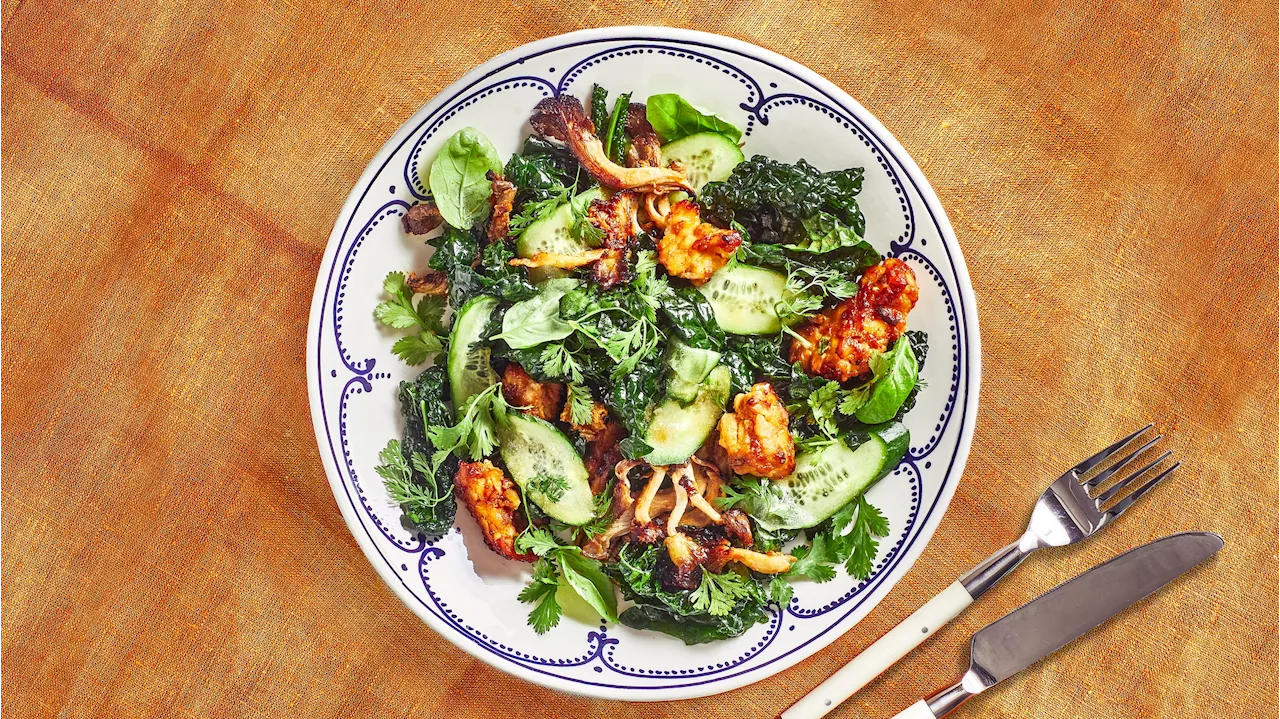 11 Tempeh Recipes for Delicious Plant-Based MealsVegan protein tempeh stars in these easy dinners, including plant-based riffs on take-out favorites, noodle dishes, salads, and more. Find our best tempeh recipes here.
Read more »
 Childhood Memories of Meat and My Plant-Based JourneyThis personal narrative explores the author's upbringing surrounded by meat-centric traditions, both in Uruguay and Kansas City, and their eventual transition to a plant-based diet.
Read more »
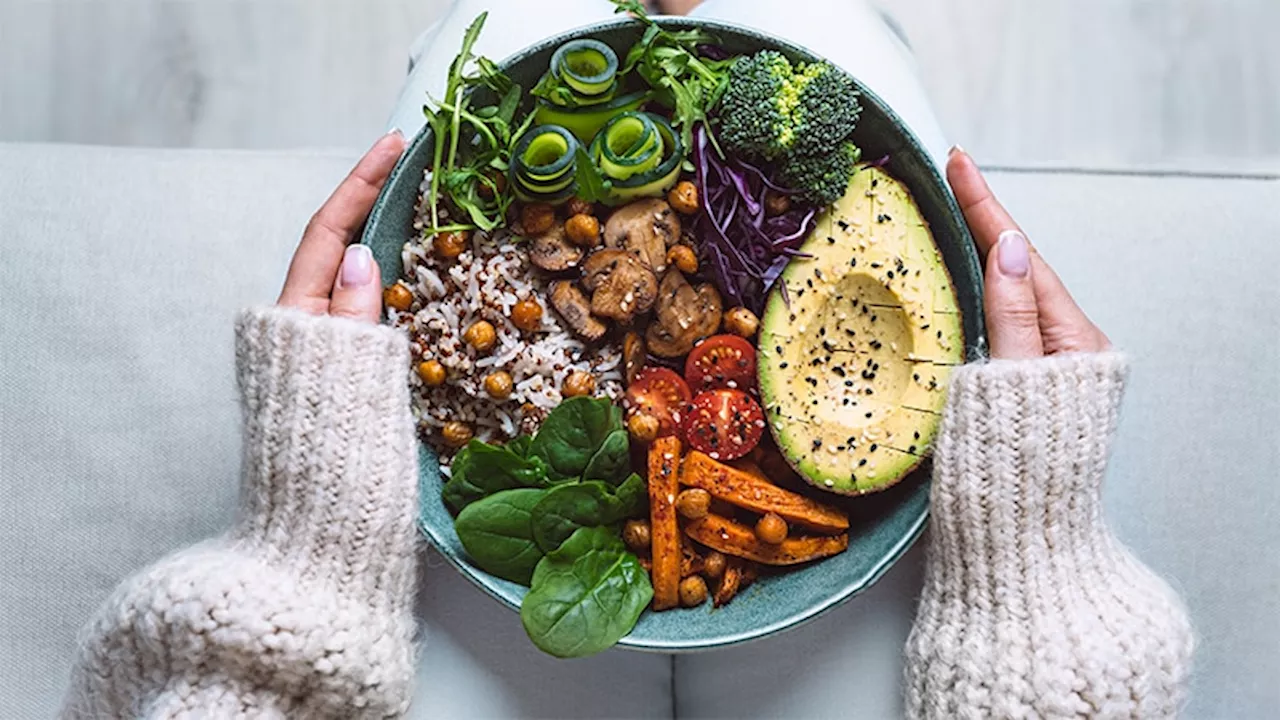 New Dietary Guidelines Emphasize Plant-Based DietsThe USDA and HHS released a new report on dietary guidelines, emphasizing the health benefits of plant-based diets and offering recommendations on food consumption.
Read more »
 The Portfolio Diet: A Plant-Based Approach to Heart HealthDiscover the portfolio diet, a simple and effective eating plan that may lower your risk of heart disease and stroke. Learn about its benefits, key components, and how it compares to other popular diets.
Read more »