
This article debunks the myth of 'Seward's Folly,' arguing that the Alaska Purchase was widely supported at the time and not widely seen as a bad deal.
Jan. 3 was an anniversary of note, the day Alaska officially became a state. This year, the Smithsonian Magazine was commemorating the 49th state. Yet, the author wrote, “When U.S. Secretary of State William Seward purchased Alaska from Russia in 1867, he negotiated a price of $7.2 million — about $153 million today — for almost 600,000 square miles of territory: less than two cents per acre. His big get was immediately dubbed ‘ Seward ’s Folly .’ ” The end there, that is the problem.
Alas, we will never be free of the Seward Folly myth, if only because people love a story about a good deal. And it is indeed a myth, as most good Alaskans should already know, despite the Anchorage restaurant of that name. The Folly should be a thing of the past, but it is not. So, here is a public reminder, the necessary periodic reminder that the Seward’s Folly narrative is false. In the spring of 1867, after the Alaska purchase treaty passed through the House and awaited its time before an eager Senate, newspapers and magazines across the country offered their take on Alaska. The Daily Phoenix, out of Columbia, South Carolina, praised the purchase, as the fish and fur industry values alone were “vastly in excess of the sum agreed upon as the purchase money.” The (Philadelphia) Daily Evening Telegraph declared the deal “the distinguishing and crowning achievement of Mr. Seward’s foreign policy.” The (Little Rock) Daily Arkansas Gazette claimed “the sum paid . . . will have been well spent.” Per the Galaxy, the first American magazine to offer an opinion on the purchase, naysayers “have been parading their ignorance of that region.” In short, the nation was overwhelmingly in favor of buying Alaska, especially at that sticker price. Cartoon satirizing the Alaska purchase of 1867. Secretary of State William Seward rubs cooling salve (Alaska) on the feverish (and embattled) president, Andrew Johnson. The cartoon was published in Harper's Weekly on April 20, 1867. (Public domain via Wikimedia) From the initial wave of editorials, the New York Tribune was the only newspaper with a negative stance on the treaty, calling it a “Quixotic land-hunt.” Publisher Horace Greeley — of “Go West, young man” advice fame — despised President Andrew Johnson and believed the purchase was meant to distract Americans from domestic policy failures. A scattered few other newspapers and magazines would eventually offer opposing stances on the purchase, but they remained outnumbered. Of course, no one asked the residents of Alaska, Indigenous or immigrant, for their opinions. While the opposition remained weak, there were pockets of relative confusion, bewilderment at the choice of territory. As the Boston Daily Advertiser editorialized, “Very little is known of the President’s object in making this treaty.” Some newspapers that offered at least lukewarm support for the treaty still ran cartoons mocking the purchase. The New York Herald supported the treaty editorially but ran fake advertisements suggesting European monarchs with worthless territory for sale should contact Secretary Seward immediately. A good joke was not to be wasted, so phrases like Seward’s Folly, Walrussia, Seward’s ice box, and Johnson’s polar bear garden proliferated.Unfortunately, the idea of Seward’s Folly as the actual response to the Alaska purchase is due to bad historians. The first serious history of Alaska was published in 1885, written by Hubert Howe Bancroft. He wrote that the land “was believed to be almost valueless.” History textbooks picked up on the idea, copied one another, and soon every textbook in the country said the Alaska Purchase had been popularly decried as Seward’s Folly. Generation after generation swallowed the idea, thanks to books published into the 2010s. The myth has been repeatedly and thoroughly repudiated in academic circles for close to a century. Thomas A. Bailey made the first formal denunciation in a 1934 journal article. Every few years, or couple of decades, another scholar would make another pointed rebuttal of the myth. From Virginia Hancock Reid in 1939 to Richard E. Welch Jr. in 1958 to Richard Emerson Neunherz in 1975 to Alaska’s own Stephen Haycox in 1990 to Lee A. Farrow in 2016 to Michael A. Hill in 2019, there are multitudes from which to select, longer or shorter and set within differing frameworks. This dedicated historiography is still apart from other articles and texts that denounced the myth in passing. In short, scholars have known better for a long time or should know better, including distinguished institutions like the Smithsonian
ALASKA PURCHASE SEWARD FOLLY HISTORY MYTH
United States Latest News, United States Headlines
Similar News:You can also read news stories similar to this one that we have collected from other news sources.
 Alaska College Hockey Teams Head to Tournaments in Lower 48Alaska Anchorage and Alaska Fairbanks will compete in tournaments this weekend.
Read more »
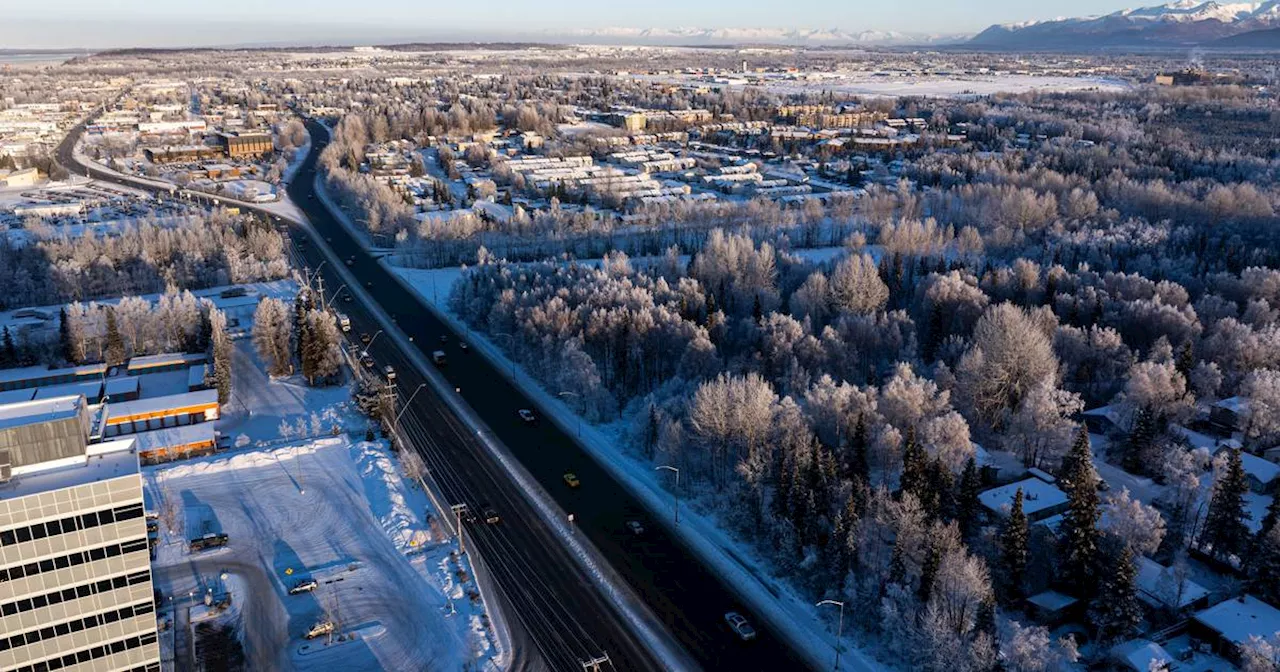 Anchorage Considers Scaled-Down Parkway for Seward and Glenn HighwaysResponding to public concerns, Anchorage planners are moving away from a freeway connection between the Seward and Glenn highways and exploring a slower, slimmer parkway option.
Read more »
 Seward Highway Closed After Accident Amidst Slick Road and High Wind WarningsThe Seward Highway was closed early Monday morning near Portage, Alaska, following a non-injury collision. The closure coincided with warnings of slick roads and high winds expected due to warming weather and a series of storms.
Read more »
 Alaska Gasline Development Corp. in Secret Talks for Trans-Alaska PipelineThe Alaska Gasline Development Corp., a state-owned entity, announced it has entered into exclusive negotiations with an undisclosed energy company to lead and finance the development of a trans-Alaska natural gas pipeline. The project, estimated to cost at least $44 billion, has been a long-standing goal with significant cost as a major obstacle. The agreement includes plans for an export facility, indicating the project is for the larger, previously discussed pipeline.
Read more »
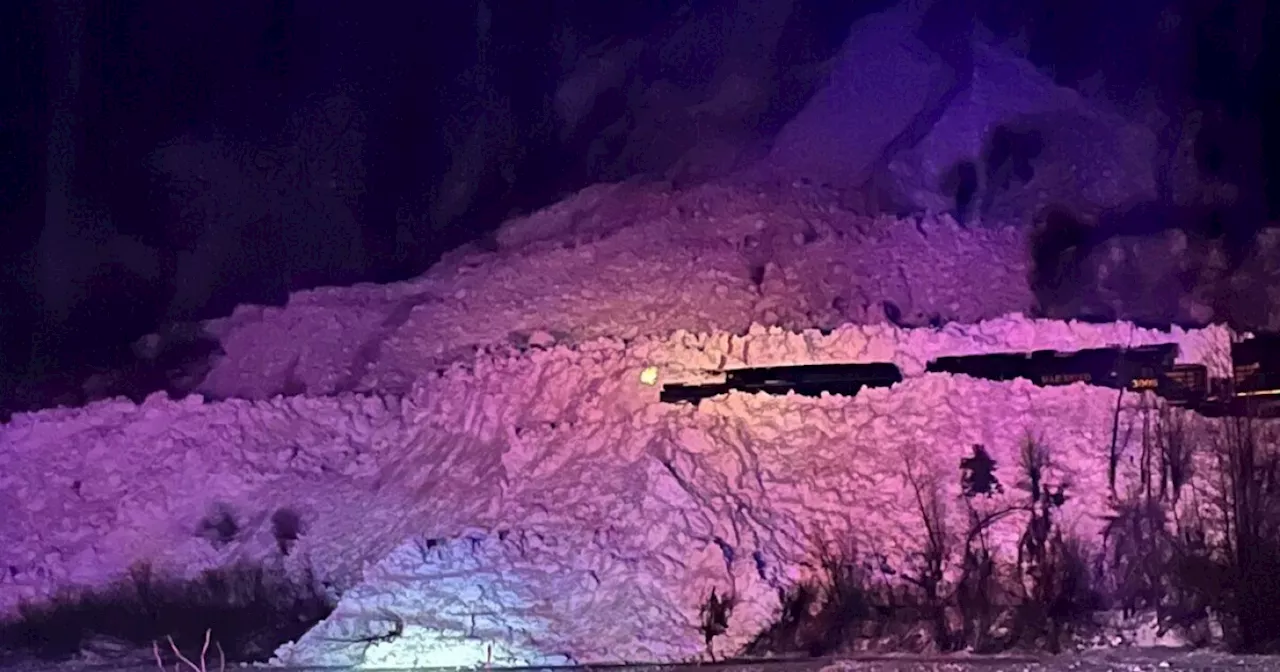 Alaska to Get $1.13 Million for Avalanche Detection and Mitigation on Seward HighwayAlaska's transportation department will receive a $1.13 million federal grant to enhance avalanche mitigation efforts on the Seward Highway. The funding will enable the implementation of advanced avalanche detection systems, remote control technology for controlled avalanches, and improved warning systems for drivers.
Read more »
 Alaska DOT Receives Grant to Reduce Avalanche Risk on Seward HighwayThe Alaska Department of Transportation (DOT) has been awarded a grant to implement a new avalanche detection and mitigation system on the Seward Highway, aiming to enhance safety for travelers.
Read more »