
University of Tokyo’s dLab automates thin-film material synthesis and analysis, speeding up materials discovery with AI and robotics
Researchers at the University of Tokyo have unveiled a fully automated digital lab oratory system capable of autonomously synthesizing thin-film materials and evaluating their structural and physical properties.
Known as the digital laboratory, or dLab, the system marks a significant advancement in robot- and data-driven materials science. By integrating automated material synthesis with in situ property analysis, dLab enables high-throughput experimentation and accelerates the discovery and development of novel materials. According to researchers, the breakthrough highlights the growing role of AI and robotics in streamlining and enhancing complex research processes in materials science.Smarter lab scienceResearchers are shifting from traditional trial-and-error methods to automated, data-driven material discovery. Using robotics and machine learning, laboratories act like factories, producing and analyzing materials quickly. Robots can synthesize and test many samples, generating large amounts of process and measurement data. According to the research paper published by the University of Tokyo team, standardizing how materials are shaped and how data is collected is key to making this system efficient. While liquid samples have progressed, thin-film and solid materials still face challenges due to varied shapes and data formats.The diagram illustrates the modular synthesis system connected to multiple measurement and analysis instruments.To streamline solid materials research, the University of Tokyo team developed a fully automated digital laboratory using interconnected, modular instruments. This system uses robots to perform and monitor every step, from material synthesis to advanced property measurements.dLab can analyze surface microstructures, X-ray diffraction patterns, Raman spectra, electrical conductivity, and optical transmittance without human intervention. It operates through two main systems: one for automating synthesis and measurement processes, and another for data collection and analysis. Measurement instruments output data in a standardized XML format called Measurement Analysis Instrument Markup Language , which is stored in a cloud-based database. According to the team, it enables seamless data sharing and processing. The cloud system then analyzes the collected data using specialized software, allowing for faster insights and more efficient materials discovery. By combining robotics, modular hardware, and cloud computing, dLab represents a major step forward in autonomous, data-driven materials science.Enhancing research efficiencyMaking use of dLab, the team successfully carried out the autonomous synthesis of lithium-ion battery cathode thin films and evaluated their structure through X-ray diffraction pattern analysis.Assigning repetitive lab tasks to robots guided by machine learning allows researchers to synthesize, measure, and analyze many samples efficiently, generating large volumes of data. Combining robotics, automation, and standardized tools, the approach aims to transform scientific research, making it faster, more consistent, and data-rich.“Our current work addresses the challenges of accelerating research in materials science. Our approach enhances the use of data in research. We aim to create a research environment where researchers can focus on creativity. Introducing machine learning and robotics will further advance materials science, deepening theory and finding new materials,” said Taro Hitosugi, a professor at the University of Tokyo’s Graduate School of Science, in a statement. Researchers highlight that modularization and standardization in solid materials research remain limited despite recent advancements. A key challenge is the absence of standard shapes and sizes for samples and sample holders, as solid materials vary widely in form, such as powders or bulk solids. Standardizing these elements is essential for integrating different instruments.Another issue is the lack of a unified data format, which makes data collection and sharing difficult. To address this, a standardized format named MaiML was developed. In 2024, MaiML was officially recognized as a Japanese Industrial Standard, enabling consistent and efficient data handling. The team plans to enhance the system by standardizing its orchestration software and scheduling processes. This would enable more efficient task management across multiple samples and broaden the scope of material exploration. Their ultimate goal is to use dLab to speed up the discovery and development of new materials.“We aim to digitalize the research and development environment, foster researchers who can utilize these technologies, and facilitate data sharing and utilization,” said Kazunori Nishio, an associate professor at the Institute of Science, Tokyo, a collaborating researcher and lead author of the study, in a statement.The details of the team’s research were published in the journal Digital Discovery.
Battery Digital Lab Digital Laboratory Dlab Laboratory Lithium-Ion Material Research Robot University Of Tokyo
United States Latest News, United States Headlines
Similar News:You can also read news stories similar to this one that we have collected from other news sources.
 Guangdong Ocean University is Recruiting High-Level Talents Globally - Zhanjiang job with Guangdong Ocean UniversityCo-sponsored by the Ministry of Natural Resources and the People’s Government of Guangdong Province, P.R. China, Guangdong Ocean University (GDOU) has been established as a key institution under the Guangdong High-Level University Development Plan.
Read more »
 KSAT’s Ernie Zuniga highlights University Health, University of the Incarnate Word Fiesta medalsKSAT's Ernie Zuniga will unveil new medals leading up to and during Fiesta 2025, which runs from April 24 through May 4.
Read more »
 Trump reverses revocation of 1,500 student visas: What will it mean for Alabama’s international students?University of Alabama, Auburn University, UAB, Troy University and Spring Hill College students had visas revoked.
Read more »
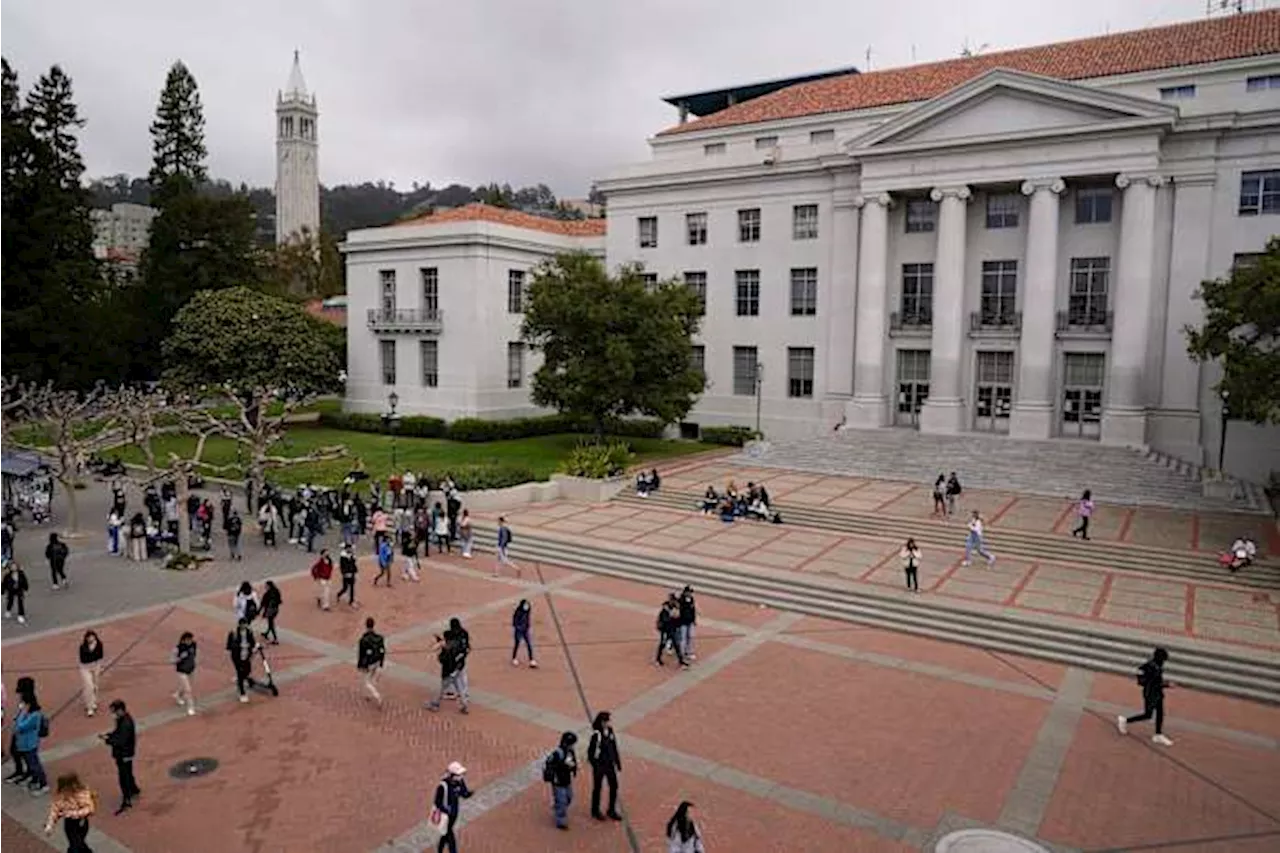 University of Texas chancellor is named president of University of CaliforniaThe University of California has announced that James B.
Read more »
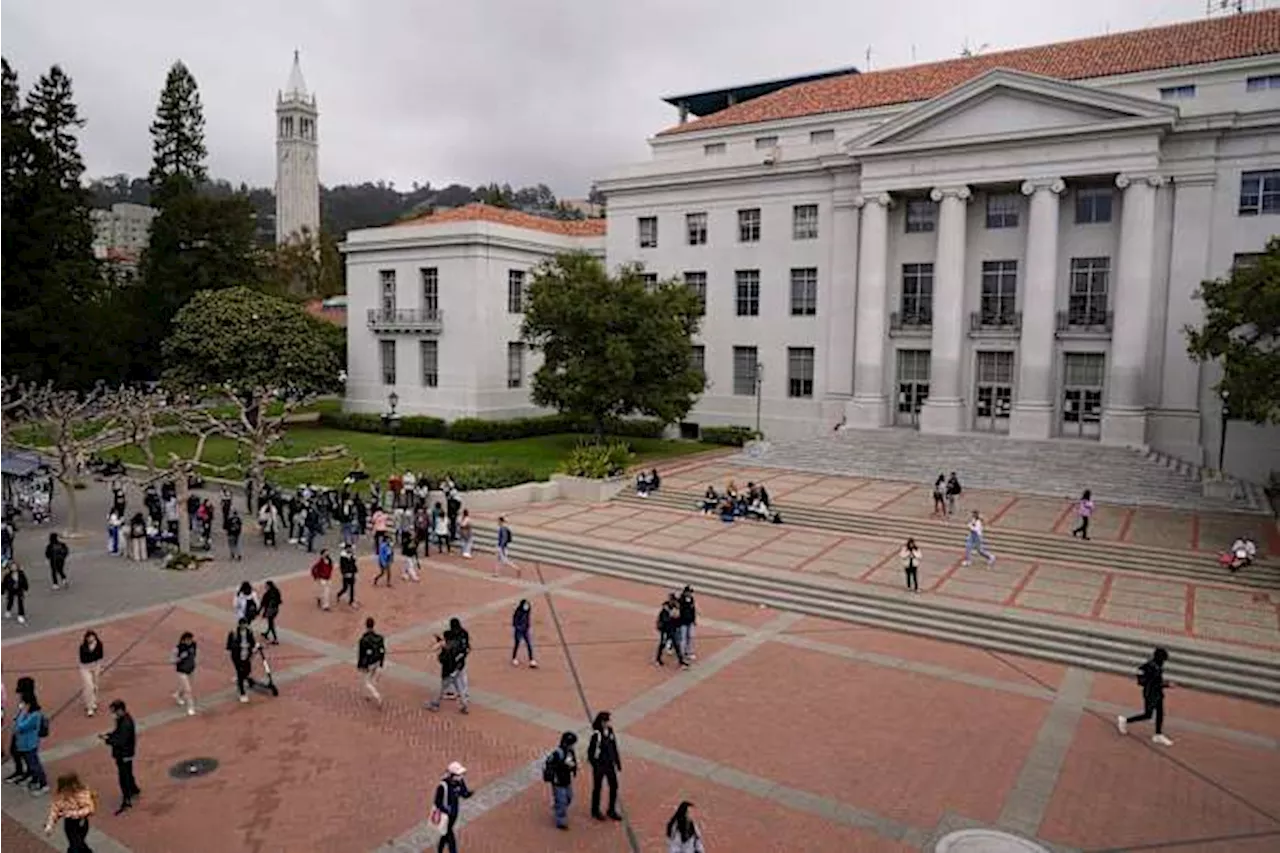 University of Texas chancellor is named president of the University of CaliforniaThe University of California has announced that James B.
Read more »
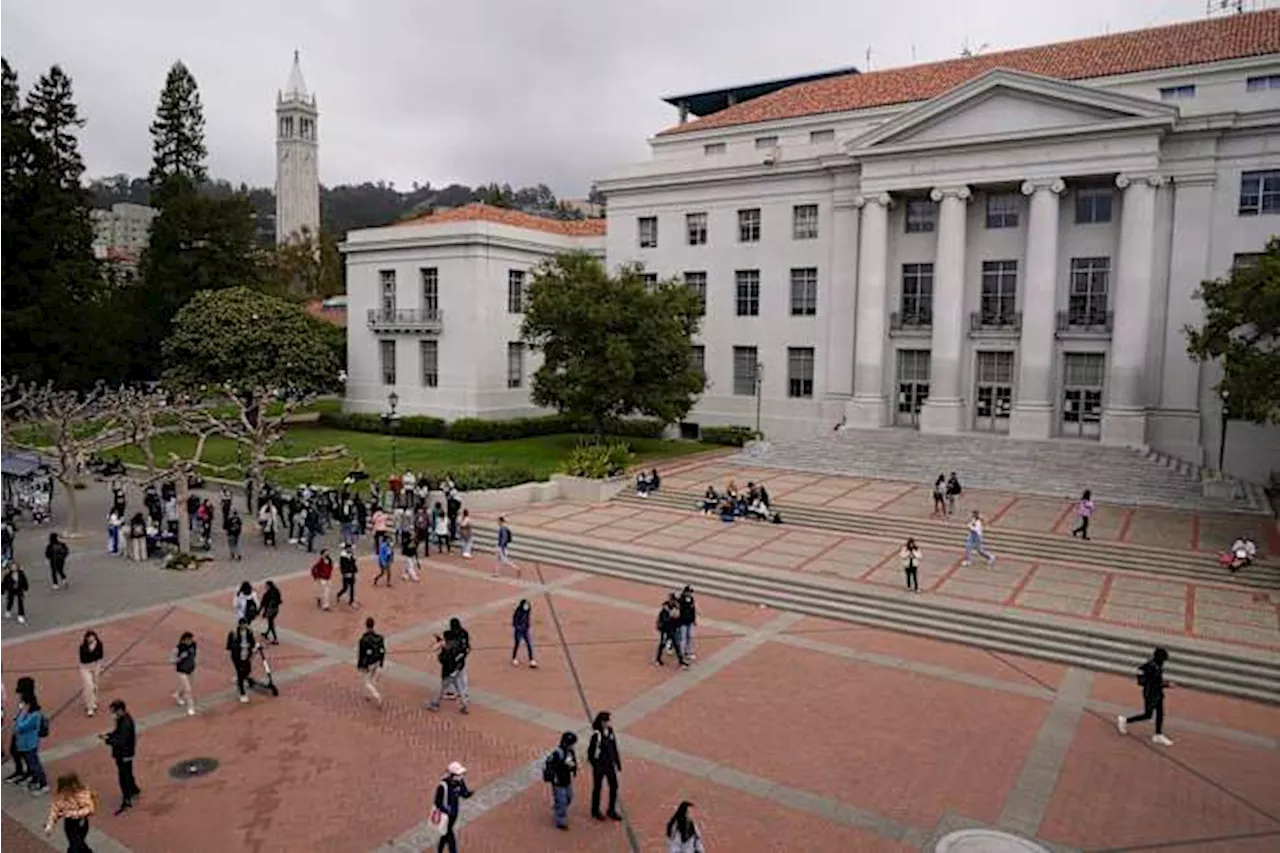 University of Texas chancellor is named president of the University of CaliforniaThe University of California has announced that James B.
Read more »