
New research sheds light on the decline and resilience of the Classic Maya population, revealing genetic evidence of outsiders, population growth, and persistence through time.
A recent study published in the journal *Current Biology* has shed new light on the decline of the Classic Maya civilization, revealing a surprising influx of outsiders and a dramatic population shift around 1,200 years ago. Researchers from Trinity College Dublin, Ireland, analyzed the genomes of seven individuals buried at the Maya site of Copán in western Honduras, dating back to the Classic Maya period (A.D. 250 to 900).
Their findings suggest that the population experienced significant growth around A.D. 730, possibly due to the advent of maize agriculture, but then began to decline around A.D. 750, coinciding with the collapse of the Classic Maya political system. Contrary to previous assumptions, the genetic evidence indicates that the population was not replaced by another group after the collapse, but rather persisted through time. The researchers uncovered interesting genetic diversity among the Copán individuals, with different maternal lineages and one Y-chromosome lineage shared by two males buried together. One of these males, found in a wealthy burial, is believed to have been a dynastic ruler, while the other, potentially a sacrifice, was not closely related to him. This shared lineage, common among present-day Indigenous American populations, supports the idea of migration and gene flow in the Maya region.Comparative analyzes of ancient genomes from Copán with previously sequenced genomes from Siberia and the Americas revealed a fascinating pattern of genetic continuity from the Late Archaic period (roughly 3700 B.C. to 1000 B.C.) to the present day. The study suggests that while the Maya experienced significant population growth and integration of highland Mexican ancestry during the Classic period, the region's original inhabitants remained a dominant force throughout time. This discovery reshapes our understanding of the Maya population dynamics, highlighting the resilience of indigenous ancestry and dispelling assumptions about a complete population replacement following the collapse of the Classic Maya civilization
Maya Civilization Ancient DNA Population Dynamics Genomics Copán
United States Latest News, United States Headlines
Similar News:You can also read news stories similar to this one that we have collected from other news sources.
 'Groundbreaking' ancient DNA research confirms Pueblo peoples' ties to famous Chaco Canyon siteMargaret Osborne is a freelance science journalist, copy editor, writer and producer based in Utah. Her work has appeared in Smithsonian magazine, The Scientist and on WSHU Public Radio, among other outlets. She has a bachelor's degree from Stony Brook University in journalism and German language and literature.
Read more »
 Ancient DNA used to map evolution of fever-causing bacteriaResearchers have analyzed ancient DNA from Borrelia recurrentis, a type of bacteria that causes relapsing fever, pinpointing when it evolved to spread through lice rather than ticks, and how it gained and lost genes in the process.
Read more »
 Ancient Maya quiz: What do you know about the civilization that built pyramids across Mesoamerica?Kristina Killgrove is a staff writer at Live Science with a focus on archaeology and paleoanthropology news. Her articles have also appeared in venues such as Forbes, Smithsonian, and Mental Floss. Killgrove holds postgraduate degrees in anthropology and classical archaeology and was formerly a university professor and researcher.
Read more »
 Ancient DNA reveals a new group of people who lived near land bridge between the AmericasScientists have identified a new pod of ancient people who lived near the land bridge between North America and South America.
Read more »
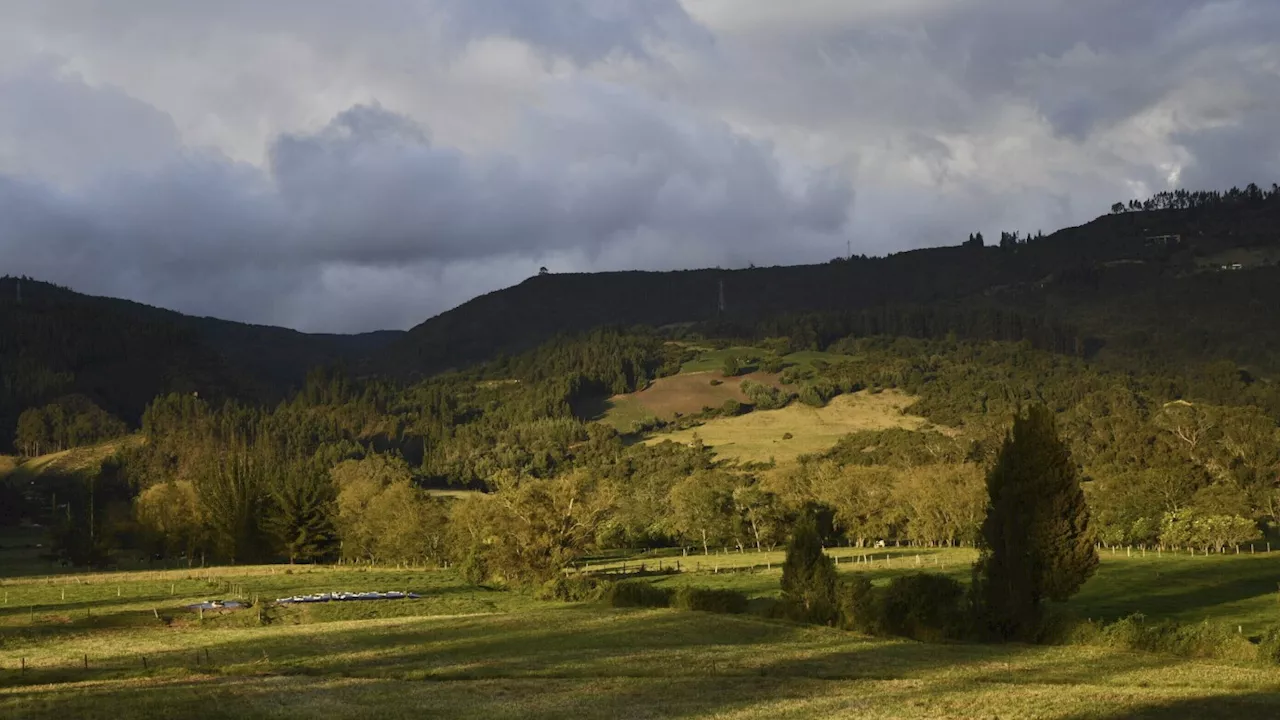 Ancient DNA reveals a new group of people who lived near land bridge between the AmericasScientists have identified a new pod of ancient people who lived near the land bridge between North America and South America. Discovered through ancient DNA, the group lived 6,000 years ago in the high plateaus of present-day Bogotá, Colombia.
Read more »
 Ancient DNA reveals a new group of people who lived near land bridge between the AmericasScientists have identified a new pod of ancient people who lived near the land bridge between North America and South America.
Read more »