
Emerging research suggests that creatine, a popular supplement for muscle building, may also offer protection against brain injuries. This article explores the biological similarities between how traumatic brain injuries (TBIs) affect the brain and how creatine functions at a cellular level, highlighting its potential as a treatment and prevention strategy. It also discusses ongoing studies investigating creatine's impact on TBI recovery and its established benefits for cognitive function.
Research Shows That Creatine May Protect The Brain From Injuries While creatine is a beloved muscle-building supplement, about 5% of your body's stores of this compound are in the brain.Researchers are increasingly interested in how supplementing with this compound not only supports cognitive longevity but may also help people recover and manage symptoms from traumatic brain injuries .
While the research is still emerging, here's what we know so far about creatine and brain injuries . The overlap in creatine and TBI biology There are a lot of similarities in how a TBI affects the brain and in how creatine works in the cells that could make this compound particularly effective as part of a treatment plan: These comparisons are drawn from what is known about TBI physiology and creatine's mechanism of action individually. How might creatine help brain injury recovery? Now, we'll come right out and say that human studies on creatine supplementation and TBIs are limited. Most clinical studies are still done with animals—which still provides valuable information like: Of course, we never know how animal studies will translate into humans.There's currently a study underway that is investigating how a daily 5-gram dose of creatine monohydrate affects symptoms of mild traumatic brain injury after seven weeks, and it'll be the first of its kind. Researchers hypothesize that creatine supplementation will help reduce the number and severity of post-concussion symptoms . They are optimistic about these results because there is clinical human data that creatine can support these outcomes in other populations.This is what the cognitive research on creatine currently shows: The takeaway While research on creatine and TBIs is very much in the early stages, creatine for general cognitive support is not. And it's frankly an underrated way to support mental energy, memory, and mood.For those who want to build and tone their muscles and strengthen their brain health, creatine should be a daily essential.
CREATINE BRAIN INJURIES TRAUMATIC BRAIN INJURY COGNITIVE SUPPORT MEMORY
United States Latest News, United States Headlines
Similar News:You can also read news stories similar to this one that we have collected from other news sources.
 Semliki Forest Virus: A Potential Weapon Against Brain Cancer?Researchers at Uppsala University have discovered a novel pathway for Semliki Forest virus entry into the central nervous system, opening up new possibilities for developing the virus as an oncolytic agent for treating brain cancer.
Read more »
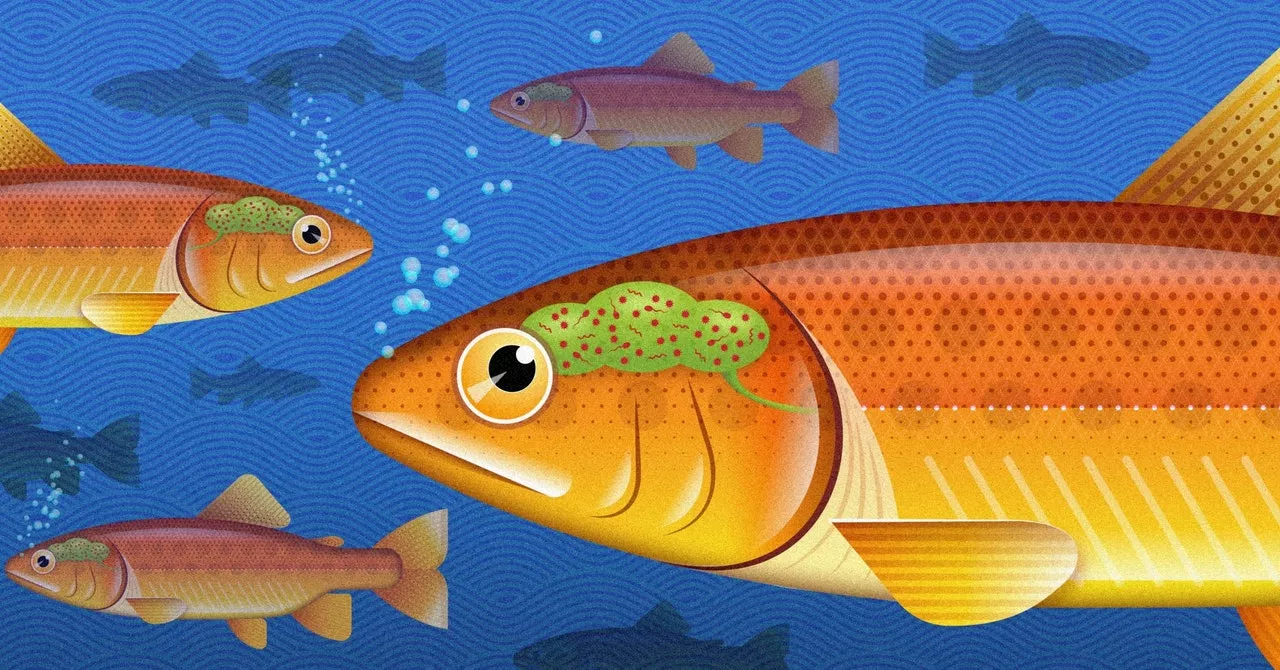 Bacteria Found Thriving in Fish Brains, Raising Questions About Human MicrobiomeRecent research has provided compelling evidence that bacteria can exist in the brains of healthy vertebrates, specifically fish. This challenges the long-held belief that the brain is protected from outside microbial invasion by the blood-brain barrier. The study, published in Science Advances, found diverse communities of bacteria in the brains of salmon and trout, with some species showing adaptations to survive in brain tissue and cross the blood-brain barrier. While fish physiology differs from humans, this discovery raises intriguing possibilities about the existence of a human brain microbiome and its potential impact on neurobiology.
Read more »
 Neurogenesis and BDNF: Potential Factors in John Famechon's RecoveryThis article explores the role of neurogenesis and brain-derived neurotrophic factor (BDNF) in the recovery of former World Boxing Champion John Famechon after a severe brain injury. It delves into the research on acquired brain injury and the brain's natural healing mechanisms, highlighting the potential of adult neurogenesis and BDNF's role in promoting neuronal connections and plasticity. The article also examines the importance of antioxidants in combating the damaging effects of free radicals and oxidative stress.
Read more »
 A Breakthrough For Cognitive Decline, Long COVID & Brain InjuriesThis may be the key to unlocking our brain's full regenerative potential.
Read more »
 Microplastics and Nanoplastics Found in High Concentrations in Human Brain TissueA new study published in February 2023 reveals the alarming presence of microplastics and nanoplastics in human brain tissue, raising concerns about the potential health implications of these tiny plastic particles. Researchers found significantly higher concentrations of MNPs in brain tissue compared to other organs, challenging the notion that the blood-brain barrier effectively protects the brain from these pollutants. The study also highlights the unexpected shapes and types of plastic found in the brain, suggesting that the long-term effects of microplastic exposure remain largely unknown.
Read more »
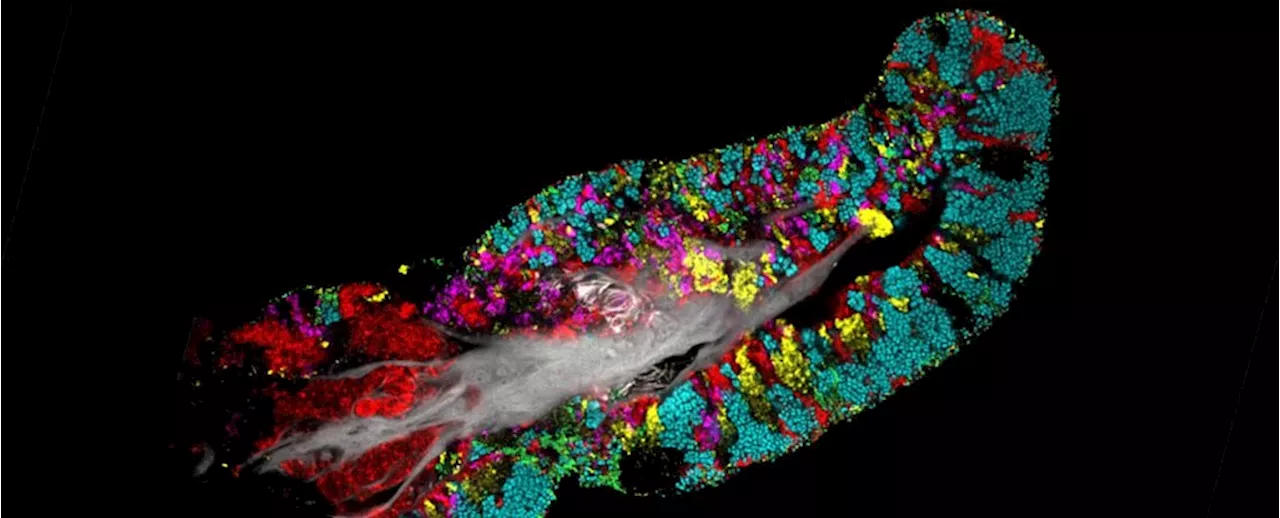 Oral Bacteria: A Potential Key to Brain Health and Dementia PreventionEmerging research suggests a fascinating link between the bacteria in our mouths and brain health, with the potential to influence cognitive function and the risk of dementia.
Read more »