
GLP-1 RAs were associated with a decreased risk for all-cause mortality and MACE in patients with immune-mediated inflammatory diseases and type 2 diabetes.
-like peptide 1 receptor agonists are associated with a lower risk for all-cause mortality and major adverse cardiovascular events than for dipeptidyl peptidase 4 inhibitors in patients with immune-mediated inflammatory diseases and type 2 diabetes .
GLP-1 RAs reduce the risk for all-cause mortality, cardiovascular mortality, and stroke in patients with diabetes. However, previous trials have excluded those with IMIDs, leaving a gap in understanding the cardioprotective effects of GLP-1 RAs in this population. Researchers conducted a population-based cohort study to assess if patients with an IMID derive greater benefits from GLP-1 RAs than DPP-4 inhibitors. They used administrative health data from British Columbia, Canada, to include 10,855 patients with IMIDs . Additionally, patients initiating GLP-1 RAs had a significantly lower risk for MACE , particularly myocardial infarction , than those initiating DPP-4 inhibitors. In the subgroup of patients with rheumatoid arthritis and T2D, those who initiated GLP-1 RAs had a 55% lower risk for all-cause mortality and 61% lower risk for MACE than those who initiated DPP-4 inhibitors."This corresponds to nine fewer deaths and 11 fewer MACE per 1000 person-years, respectively, supporting the hypothesis that these agents have a cardioprotective effect in this high-risk population," the authors wrote.This study was led by Derin Karacabeyli, MD, Division of Rheumatology, Department of Medicine, University of British Columbia, Vancouver, British Columbia, Canada, and was. The mean follow-up period was relatively short, which might have limited the long-term applicability of these findings. The accuracy of the case definitions for IMIDs and T2D, according to International Classification of Diseases codes, could not be fully ascertained.The study was supported by grants from the Canadian Institutes of Health Research. Two authors declared receiving research support, consulting fees, or participating in advisory boards outside the submitted work. This article was created using several editorial tools, including AI, as part of the process. Human editors reviewed this content before publication.Risk Factors for Coronary Artery Disease
T2D And Cardiovascular Risk Type 2 Diabetes Mellitus And Cardiovascular Risk T2D And Cardiovascular Risk Factors Cardio-Diabetology Cardiodiabetology Cardiovascular Diabetology Cardiodiabetes Diabetes Mellitus Type 2 Diabetes Mellitus Type Ii Type 2 Diabetes Type 2 DM T2DM T2D Dpp-4 Inhibitors
United States Latest News, United States Headlines
Similar News:You can also read news stories similar to this one that we have collected from other news sources.
 New Potential Obesity Treatment Discovered: Hidden Brain Receptor May Hold Key to Controlling Your AppetiteScience, Space and Technology News 2024
Read more »
 Breaking Rheumatic Diseases' Reliance on Steroids: New Drug Candidates, StrategiesSelective GC receptor agonists and modulators and GC plus hydroxysteroid dehydrogenase inhibitor combination therapy are some of the approaches under consideration.
Read more »
 Georgia May Jagger May Botanicals Skin Care Exclusive InterviewThe model and founder of the skin care brand May Botanicals shares her nighttime wind-down routine, split-end secret, and relaxing by watching 'The Bear.'
Read more »
 A proposed hydraulic lift for Egypt’s first pyramid may, or may not, hold waterA controversial analysis contends that ancient engineers designed a water-powered elevator to hoist stones for King Djoser’s pyramid.
Read more »
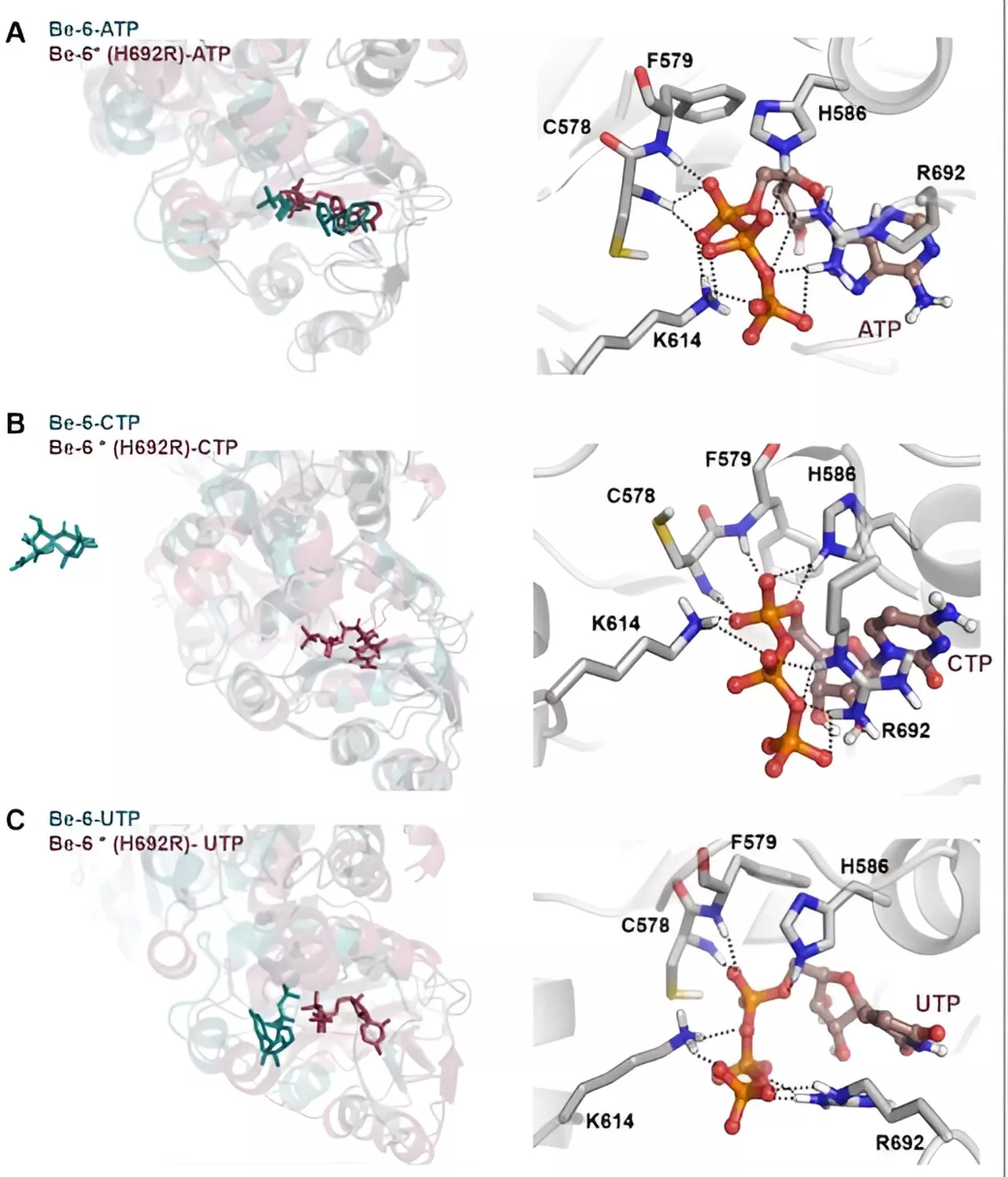 Researchers find β-d-manno-heptoses are immune agonists across kingdomsBacterial small molecule metabolites, such as adenosine-diphosphate-d-glycero-β-d-manno-heptose (ADP-heptose) and their derivatives, act as effective innate immune agonists in mammals.
Read more »
 Is There a Role for GLP-1s in Neurology and Psychiatry?Neurologist Christoph Diener discusses the evidence to date on GLP-1 receptor agonists in stroke, addiction, Parkinson's disease, and beyond.
Read more »