
Huawei open-sources its CANN toolkit to rival NVIDIA’s CUDA, boost developer access, and deepen China’s push for AI tech self-sufficiency.
Huawei Technologies is opening up its core AI development toolkit, CANN . The Compute Architecture for Neural Networks powers applications built for the company’s Ascend AI chips. By making it open-source, Huawei hopes to attract more developers and challenge NVIDIA’s dominance, just as Beijing seems to be turning up the heat on the US chip giant.
“This will speed up innovation from developers and make Ascend easier to use,” said Eric Xu Zhijun, Huawei’s rotating chairman, at the company’s developer conference in Beijing on Tuesday. Huawei said it has already held discussions with China’s top AI players, business partners, and universities on building an open-source ecosystem around Ascend.The announcement comes just days after China’s internet regulator raised security concerns about NVIDIA’s H20 chip, and follows mounting efforts in the country to reduce reliance on US technology.Push for tech independenceHuawei’s open-source shift directly supports Beijing’s broader push for technological self-sufficiency. The company aims to create an alternative to NVIDIA’s proprietary CUDA software stack, which has long been the default for AI developers worldwide.CANN, first introduced in 2018, is a core part of Huawei’s AI strategy. The latest version, CANN 8.0, was released in September last year and described by the company as “the bedrock of the Ascend ecosystem.”While Huawei’s statement did not name CUDA, the implications are clear. Many Chinese developers use NVIDIA GPUs largely because of CUDA’s software ecosystem. But NVIDIA has made moves to lock it down. In 2023, the company added a clause to its CUDA license that blocks developers from running it on non-NVIDIA hardware through translation layers.Now, Huawei is looking to give developers a homegrown alternative that works with domestic AI chips, and it’s doing so at a time when NVIDIA’s standing in China is under review.Security concerns over NVIDIA chipsThe Cyberspace Administration of China has launched an inquiry into NVIDIA’s H20 GPU, which the US firm designed specifically for China to comply with Washington’s export restrictions. The H20 was recently cleared for shipment by the Trump administration.The CAC cited “serious security issues” reported in the media as the reason for its investigation. The agency also noted growing concerns among US lawmakers, who have urged NVIDIA to embed tracking features into advanced chips. US experts have claimed that remote-control technologies related to NVIDIA chips have matured.NVIDIA has rejected these claims.“Cybersecurity is critically important to us,” a company representative said in an email to the South China Morning Post. “NVIDIA does not have ‘back doors’ in our chips that would give anyone a remote way to access or control them.”New alliance backs local chipsHuawei’s open-source announcement follows the creation of a new industry group pushing the adoption of domestic AI chips. The Model-Chips Ecosystem Innovation Alliance was announced last week by Shanghai-based AI start-up StepFun at the World Artificial Intelligence Conference .Founding members include Huawei’s Ascend unit, Tencent-backed StepFun, Infinigence AI, SiliconFlow, MetaX, Biren Technology, Enflame, Iluvatar Corex, Cambricon Technologies, and Moore Threads.The group supports China’s goal of tech self-reliance, spanning computing hardware, software, and services. Its formation also comes amid increased scrutiny of NVIDIA’s role in China’s AI infrastructure.In June, NVIDIA CEO Jensen Huang said that the firm remains a generation ahead of Chinese chipmakers. However, he warned that continued US export curbs could give companies like Huawei more room to grow.
Ascend AI CANN China Tech CUDA Developer Tools H20 Chip Huawei Nvidia Open-Source Semiconductor
United States Latest News, United States Headlines
Similar News:You can also read news stories similar to this one that we have collected from other news sources.
 Why Jim Cramer says Nvidia may score a win in China — plus, CrowdStrike gets downgradedThe Investing Club holds its 'Morning Meeting' every weekday at 10:20 a.m. ET.
Read more »
 U.S. senators warn Nvidia CEO Huang about his upcoming China tripAdvanced AI hardware could 'accelerate the PRC's effort to modernize its military,' a bipartisan pair of U.S. senators told Nvidia's Jensen Huang in a letter.
Read more »
 Nvidia CEO downplays U.S. fears that China's military will use his firm's chips“They don’t need Nvidia’s chips … to build their military,” Jensen Huang said in a CNN interview aired Sunday, days ahead of…
Read more »
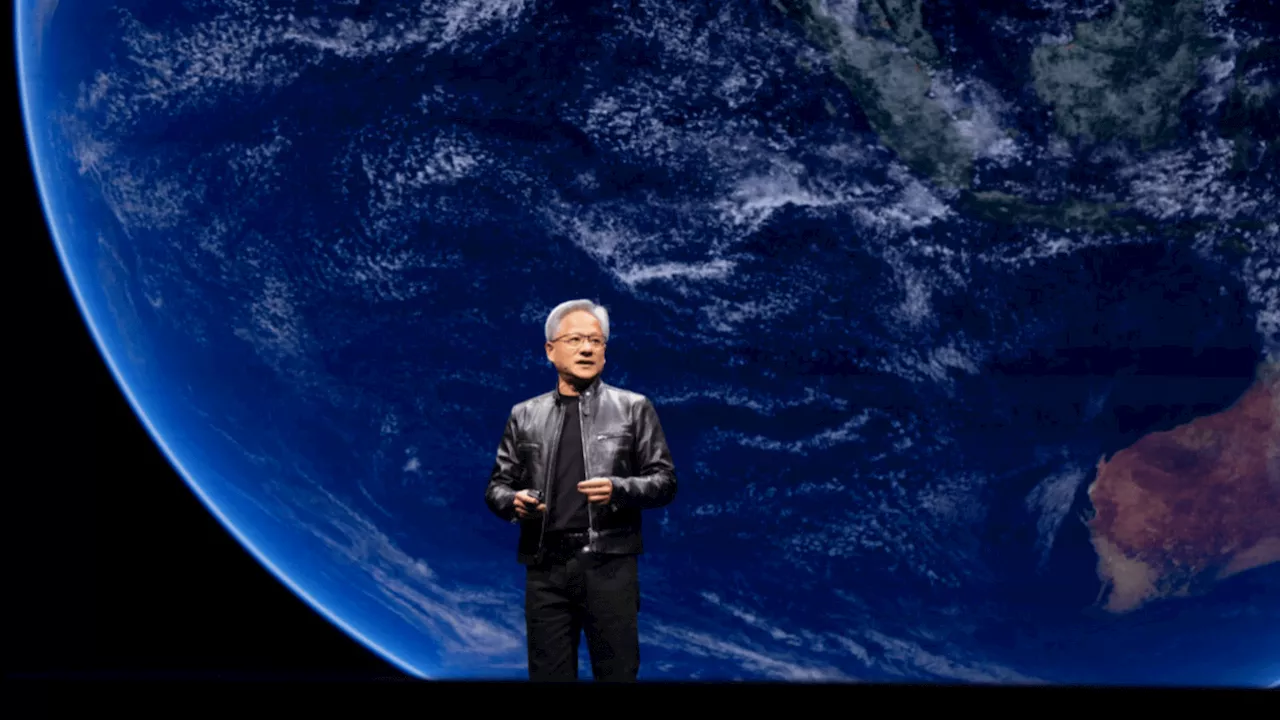 Nvidia CEO Faces Mounting Pressure Ahead of China Visit Amid US AI Hardware ConcernsNvidia CEO Jensen Huang is facing increasing political pressure as he prepares for a high-profile visit to China. Concerns persist that American AI hardware, including Nvidia's advanced chips, could be used by Beijing to bolster its military capabilities. Huang argues that the risks and export restrictions make this scenario unlikely, but US lawmakers are urging caution, specifically warning against engagement with entities tied to the Chinese military or those evading US sanctions. This visit comes amid a heightened US-China tech rivalry and concerns about the dual-use nature of advanced AI hardware.
Read more »
 Trump can turn Huawei into an Nvidia nightmareBoss Jensen Huang is heading to China where the company’s pared-back AI processors will be in hot demand. But the US president could easily kill this business forecast to make $50 bln in sales, and hand its local rival an edge, by tightening export curbs on chips and software.
Read more »
 White House AI czar: Selling Nvidia chips to China helps cap HuaweiBusiness Insider tells the global tech, finance, stock market, media, economy, lifestyle, real estate, AI and innovative stories you want to know.
Read more »