
I'm an Australian science journalist based in Cali, Colombia covering STEM in The Global South. I'm the current Vice-President of the Colombian Association of Science Journalism (ACPC) and helped organize the 12th World Conference of Science Journalists, with 600+ attendees in Medellin, Colombia.
A limnologist in Colombia is tracing plastic pollution down to the microscopic level: looking at its impact on plankton in the nation's swamps and lakes.it is estimated that 82 million tons/year of plastic waste is mismanaged globally, of which 5.
8 million tons per year end up in rivers and lakes. This is of particular concern in Colombia, which has a high diversity of planktona professor at the Universidad Catolica de Oriente explains very little is known about the dynamics of plastic pollution and its impact on freshwater ecosystems, so her research traces the transfer of microplastics through the aquatic food web . "Studying zooplankton has made it possible to demonstrate environmental changes in different aquatic ecosystems, since their presence, growth and reproduction depend on a set of physical conditions, chemical processes in the water and conditions related to food supply," she says, adding that their rapid response to different types of emerging pollutants is also well established. "In many countries, including Colombia, there are no environmental regulations on this type of pollutants in waters, she says, adding that the project has generated research alliances with with institutions in other countries, such as the Universidade de Pernambuco in Brazil and UNAM in Mexico and has been extended to various types of ecosystems such as rivers, reservoirs and swamps. , considered invasive in other countries of South America, Europe and Asia," she says, adding that studies carried out in urban wetlands have shown that despite that in spite of the limiting conditions of these ecosystems, several rotifer species and some microcrustaceans can live there.Get Up To 50 Off During The Hoka Memorial Day Sale "If zooplankton disappears, it would be one of the greatest losses of taxonomic, genetic and functional diversity in the world," she says, adding that without them, aquatic food webs would be substantially altered, disrupting ecosystems on land and water. "Although Colombia is a global hotspot of biodiversity, its zooplankton fauna remains remains poorly explored," she says, adding that most research to date has been focused on the Magdalena-Cauca river basin and the least studied regions are the remote Chocó, Orinoco and Amazon basins. "Therefore, it is necessary to the ecological and taxonomic studies of these small animals to understand their biodiversity and role in the functioning of ecosystems," she says.Villabona was born and raised in the Colombian inland city of Bucaramanga but as a child constantly traveled to the sea. "I wondered how animals as tiny as corals could work," she says, adding that she would go on to study biology at the Universidad Industrial de Santander in Bucaramanga, Colombia, researching how local microorganisms were migrating between the surface and the bottom of the lakes during the day/night cycle. Villabona would go on to do a master's degree and a PhD in biology at the University of Antioquia, in Medellin, Colombia, focusing on the zooplankton of the Ayapel marsh, which are highly diverse, because the presence of aquatic plants favors a greater availability of microhabitats. Villabona explains that researchers from the Global South have the advantage of living"in the most diverse territories with the greatest diversity of ecosystems and therefore the greatest biodiversity in the world," and have learned to generate robust results from this hometown advantage, with little funding. "We have taken this as an opportunity to create a Global South scientific community and generate inclusive and and generate inclusive and multicultural networks such as theCarolina Montoya Pachongo, a research fellow at the Water Security and Sustainable Development Hub at the University of Leeds, is leading a project to analyse water-insecurity risks in river basins, starting in Colombia. The residents of the southern Colombian municipality of Cajibío, Cauca have been forced to rely on firewood and charcoal as an economic activity, leading to localized deforestation. For the first time, the water risk from this situation is being assessed by Montoya Pachongo and her collaborators from the Universidad del Cauca using a new approach dubbed MUISKA by the researchers. "For risk analysis, it is also crucial to include relevant parties in the research to produce a valid analysis," Montoya Pachongo says,"We did this in Cajibío; participants identified their water-insecurity conditions and their systemic connections with root causes and consequences, prioritized several risks to be fully assessed, and identified preliminary actions to manage some risks."Our community is about connecting people through open and thoughtful conversations. We want our readers to share their views and exchange ideas and facts in a safe space.Insults, profanity, incoherent, obscene or inflammatory language or threats of any kindContinuous attempts to re-post comments that have been previously moderated/rejectedAttempts or tactics that put the site security at riskProtect your community.
Antioquia Kellicottia Bostoniensis What Is A Rotifer Silvia Lucía Villabona Gonzalez What Is Limnology Microplastics Plankton
United States Latest News, United States Headlines
Similar News:You can also read news stories similar to this one that we have collected from other news sources.
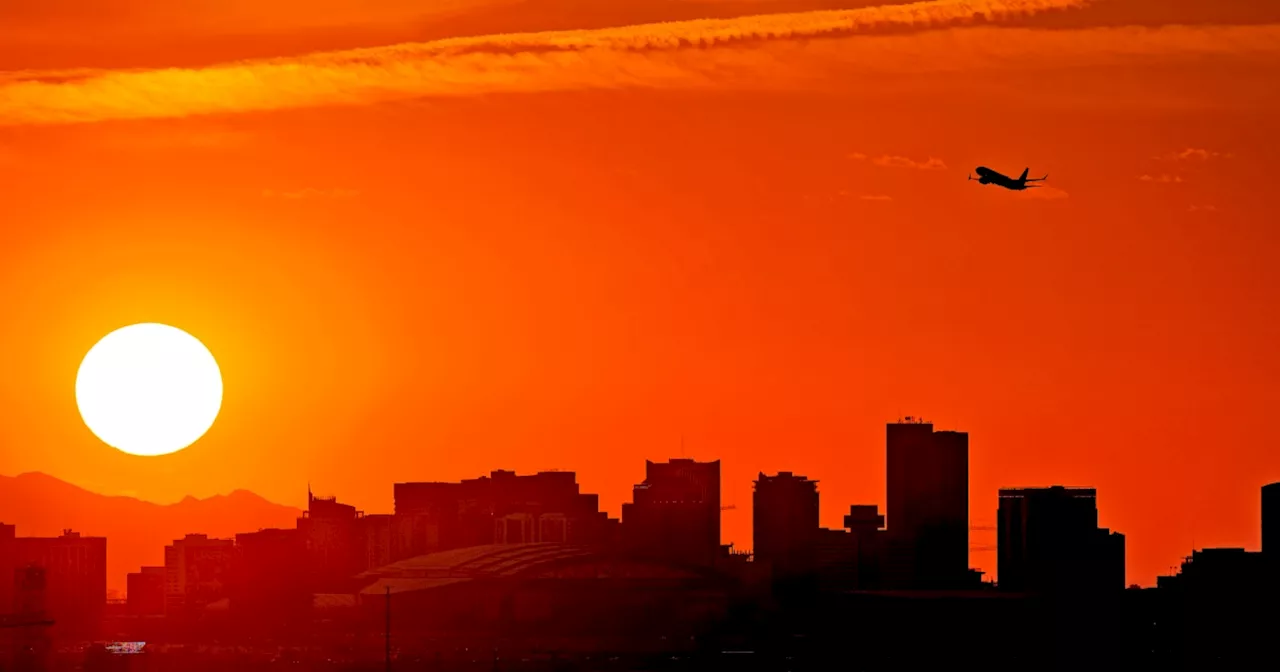 Cities look for new ways to keep people safe — and alive — as extreme summer heat loomsDenise Chow is a reporter for NBC News Science focused on general science and climate change.
Read more »
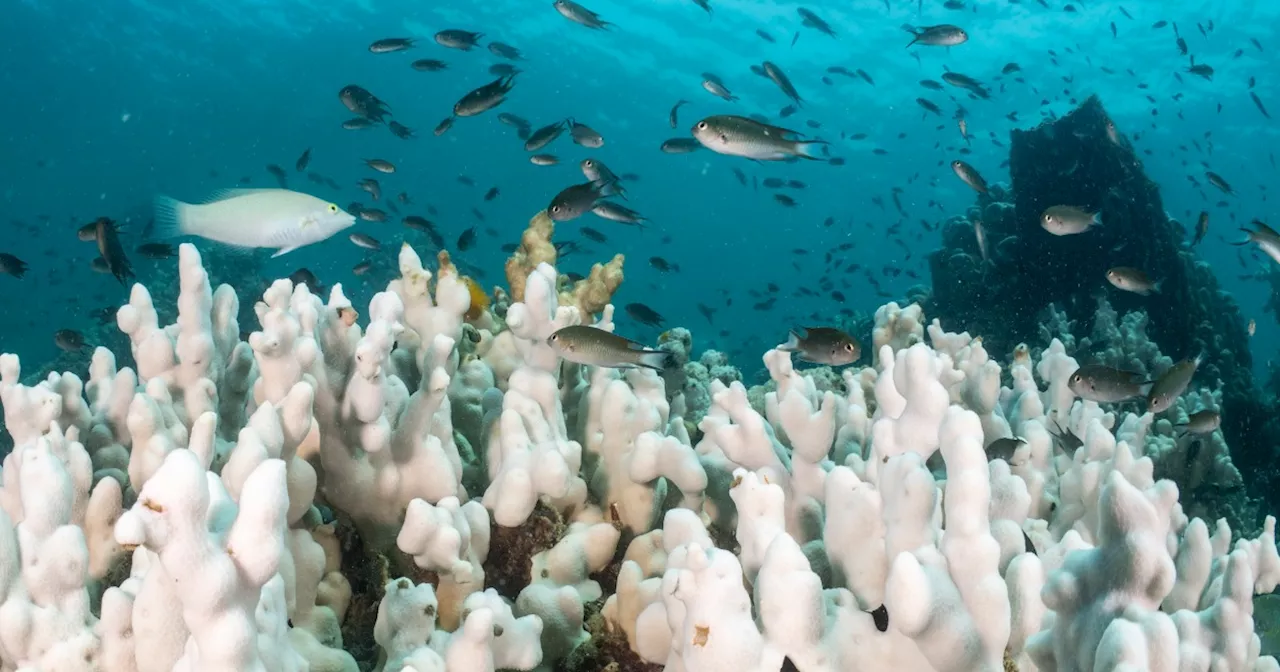 World's oceans have gone 'crazy haywire,' with majority of coral reefs in perilDenise Chow is a reporter for NBC News Science focused on general science and climate change.
Read more »
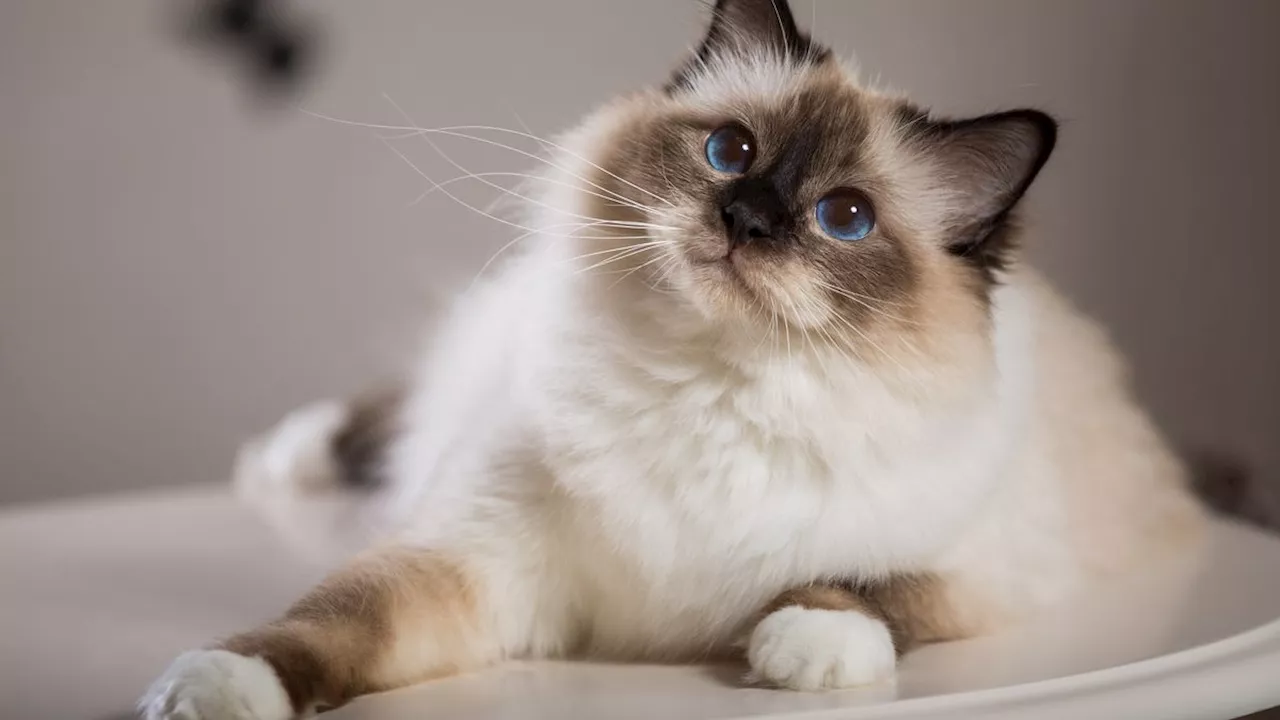 Massive study of 8,000 cats reveals which breeds live longestSkyler Ware is a freelance science journalist covering chemistry, biology, paleontology and Earth science. She was a 2023 AAAS Mass Media Science & Engineering Fellow at Science News. Her work has also appeared in Science News Explores, ZME Science and Chembites, among others. Skyler has a Ph.D. in chemistry from Caltech.
Read more »
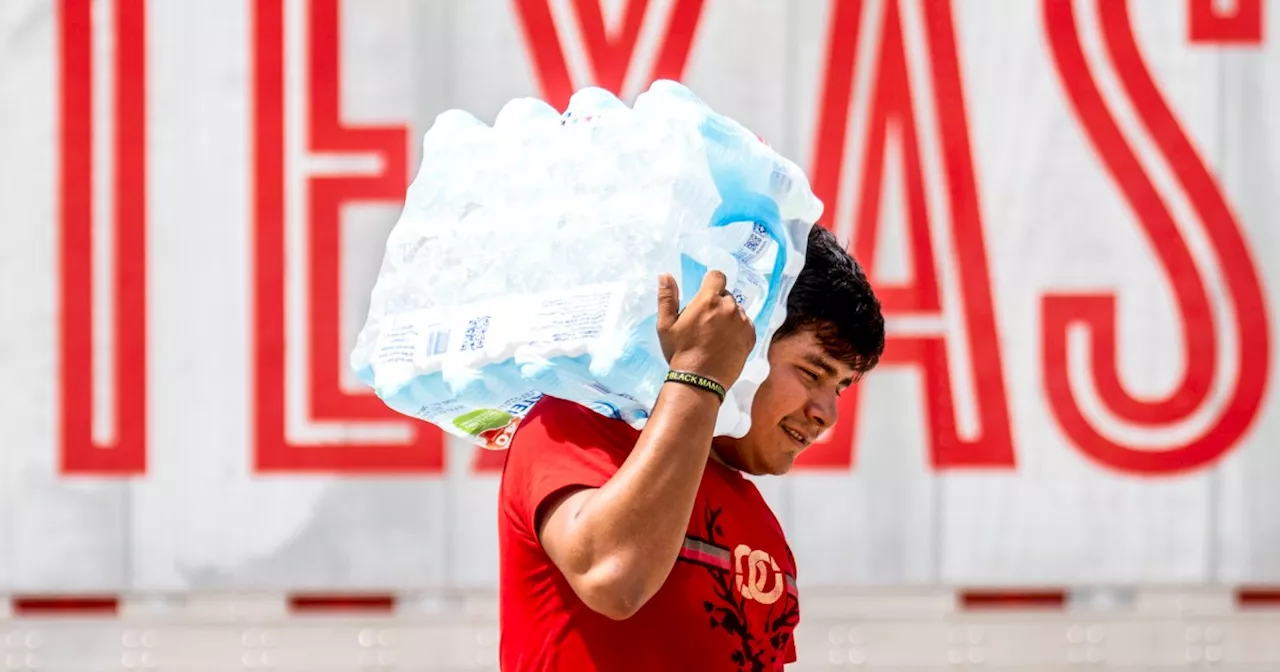 Extreme heat hits Texas and Florida early in the seasonDenise Chow is a reporter for NBC News Science focused on general science and climate change.
Read more »
 Potentially habitable Earth-size planet discovered 40 light-years awayDenise Chow is a reporter for NBC News Science focused on general science and climate change.
Read more »
 When Science Fiction Becomes Science Fact: The AI DilemmaScience, Space and Technology News 2024
Read more »