
Anthony Tan, founder of Grab, discusses his journey from a wealthy Malaysian family to building one of Southeast Asia's most successful tech companies. He shares insights into Grab's evolution, its impact on the region, and his personal motivations for creating a 'force for good'.
He grew up as the youngest of three sons in one of Malaysia's wealthiest families. His father, Tan Heng Chew, is the president of Tan Chong Motor, a multinational automobile distributor founded by Tan's grandfather in the 1950s, that's publicly listed on the Kuala Lumpur Stock Exchange.
You might call me a "rebel without a cause," Tan said. But I was on a mission to create something that could be "a force for good.". After the business went public in the U.S. in December 2021, it brought in over $2 billion in revenue in 2023, according to documents reviewed byToday, along with offering ride hailing, the company offers food and groceries delivery, as well as financial services such as payments, lending and digital banking. As of 2023Grab also serves over 35 million customers and provides 13 million gig jobs across eight countries in Southeast Asia. "I remember when I was meeting with Marcos in the Philippines, and he reminded my board and I... literally changed the unemployment numbers nationally," he said. "That's what I would say makes us all really happy."In 2009, Tan began his studies at Harvard Business School, where he met his co-founder Hooi Ling Tan. Having both grown up in Malaysia, they became good friends after sitting next to each other in a class called "Business at the Base of the Pyramid.""We want to make it just standard hygiene that women can get to wherever they need to get to ," said Tan. "We both really believed we were very blessed we wanted to serve Southeast Asia." They went on to draft up a business plan, which was submitted into a startup contest at the university. They won first runner up and took home a $25,000 prize, which was used as seed money for what would become Grab.It was very intense... I was probably doing 15, 18, sometimes 20 hours a day, and it was a Monday to Sunday thing.Growing up working in the family business, Tan was expected to return from his studies and go back to working for the company. So, when he went to his father with his idea for Grab, the conversation was not taken lightly. " said 'Hey, I don't think it's going to work out, so please don't disturb me about this anymore,'" said Tan. "It was tough. It was this idea of like, never being enough... but, I think those pushed me to say, 'Look, I can create something that really solves real societal problems.'" He took the same pitch, refined it, and brought it to his mom, who ultimately became Grab's first individual investor. With the money from the startup contest and his mom, Tan also invested everything he had in his bank into starting the company in June 2012. At the time, the company was known as "Tan and his co-founder had essentially just tasked themselves with building new infrastructure for the Malaysian taxi system, but money was a big limiting factor. The original office was in a small room in Kuala Lumpur, Malaysia — a part of the world notorious for having hot and humid weather year-round. The office lacked ventilation, air conditioning and even WiFi. "We had to tether from our mobile phones," said Tan. It was also difficult for the team to bring drivers onto the platform without sufficient funds, so they had to get creative.To get drivers on board in the early days, Tan was on the ground traveling across Southeast Asia, trying to convince taxi workers to try Grab. Tan noticed that before starting their shift in the morning, drivers in Ho Chi Minh, Vietnam, would stop at a gas station to drink coffee. So he would show up at around 4 a.m. to give out free coffee to the taxi drivers, which is also when he pitched them to join Grab. "That was the only way, and it was just a lot of this," he said. "In Manila, I remember going to meet taxi fleets, because they always change shifts at about four in the morning... and then time with them cheap beer, understand their pains, their problems, why they need more income," said Tan. "It was very intense," he said. "Between the flying — I was doing two to three cities a week when we were going through the growth and the scaling stage — I was probably doing 15, 18, sometimes 20 hours a day, and it was a Monday to Sunday thing."its Southeast Asia business to Grab in exchange for a 27.5% stake in the company. As part of the deal, Uber's CEO Dara Khosrowshahi joined Grab's board of directors. This deal established Grab's dominance in the region. What began as a dream to fix the safety problem in Malaysia's taxi system has now become Southeast Asia's dominant super app, but this dominance has been nothing butThere's no arguing, however, that Grab has shaped the very infrastructure of Southeast Asia.It has transformed the way that people in the region go about their day-to-day lives, and empowered folks "at the bottom of the pyramid" by giving them access to things like micro-financing programs, so that they can afford to buy a smartphone and start making money as drivers. "That's what differentiates us, right? Understanding what is their problem," he said. "People may say, 'hey, Anthony, you're just serving a niche.' Well, it's a big niche that has a very poorly, underserved market." "It's all about really helping them, serving them as an ecosystem that nobody else can... and that's what differentiates us from any of our peers.". We'll teach you practical strategies to hack your budget, reduce your debt, and grow your wealth. Start today to feel more confident and successful. Use code EARLYBIRD for an introductory discount of 30% off, now extended through September 30, 2024, for the back-to-school season.
Technology Entrepreneurship Grab Anthony Tan Southeast Asia Ride-Hailing Technology Startup
United States Latest News, United States Headlines
Similar News:You can also read news stories similar to this one that we have collected from other news sources.
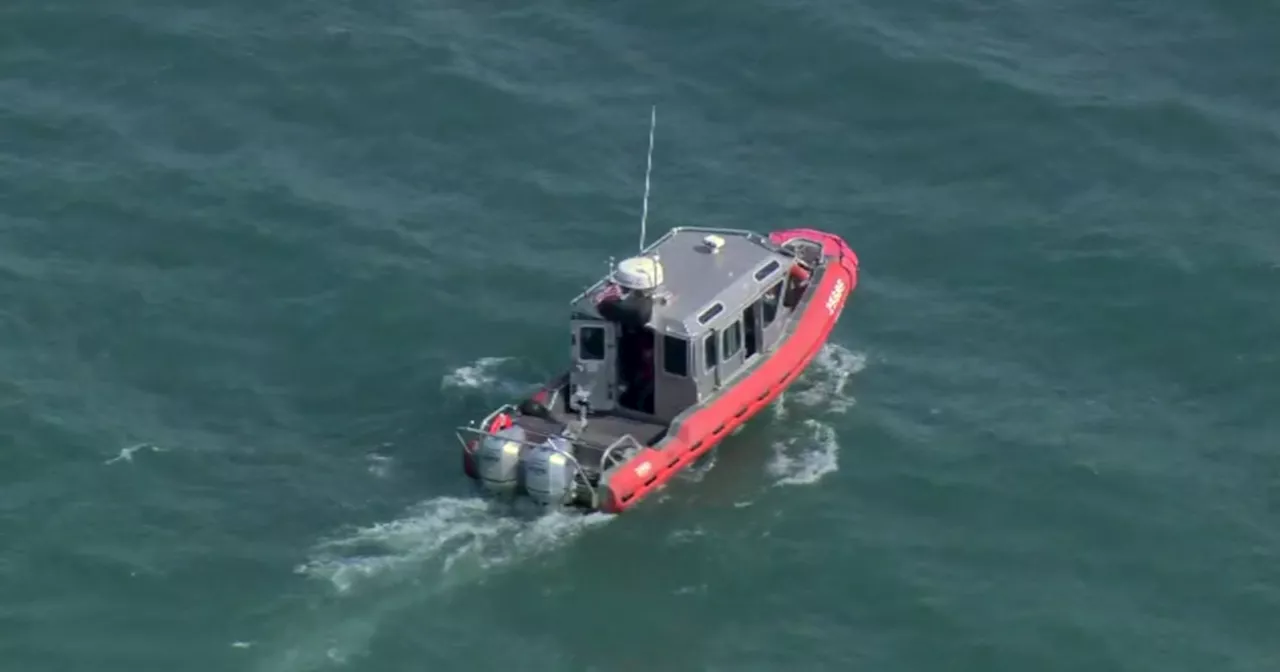 Body of missing Lake Michigan diver found offshore from southeast WisconsinAuthorities identified the diver as Patrick Kelly, of Winthrop Harbor, Illinois.
Read more »
 Kiyan Anthony, son of NBA star Carmelo Anthony, includes Auburn in his Top 3Anthony is a four-star prospect and is ranked in the top 50, according to multiple recruiting services
Read more »
 Anthony Edwards Was 'Really Hurt' By Timberwolves' Karl-Anthony Towns TradeAnthony Edwards shared his reaction to the Minnesota Timberwolves' trade of Karl-Anthony Towns to the New York Knicks.
Read more »
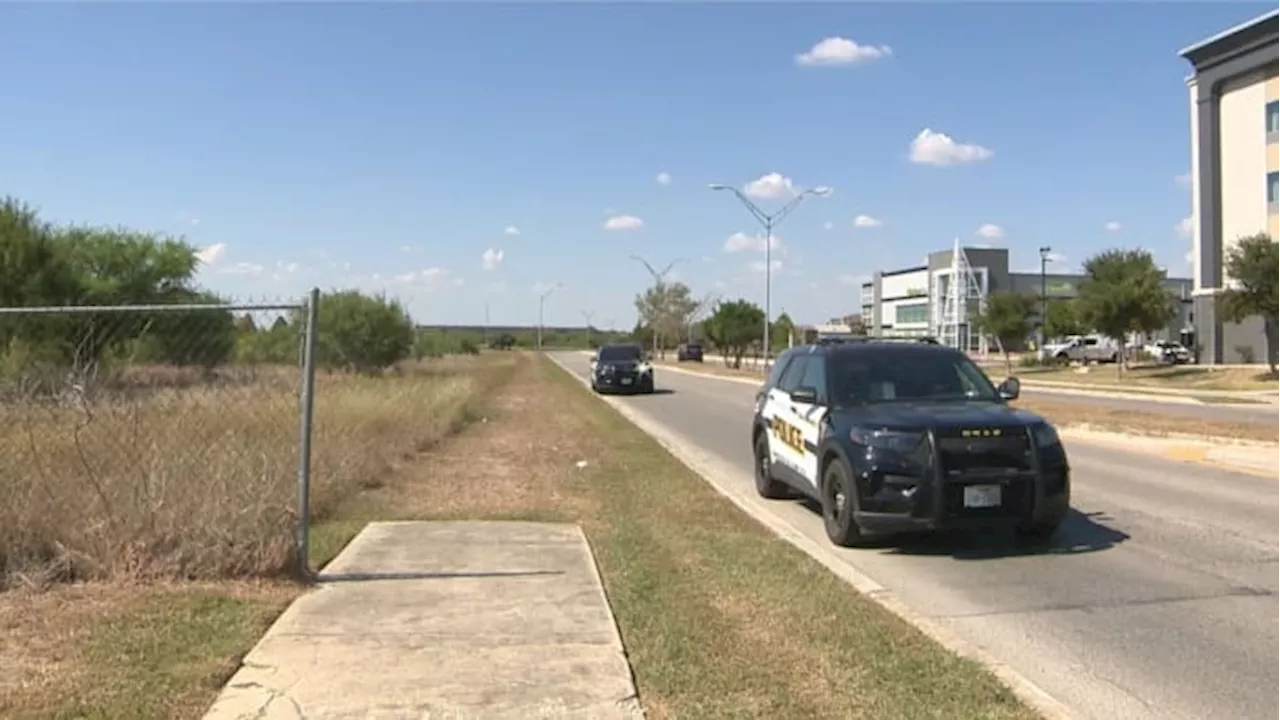 Man’s body found on Southeast SideSan Antonio police are investigating after a 58-year-old man was found dead on the city’s Southeast Side.
Read more »
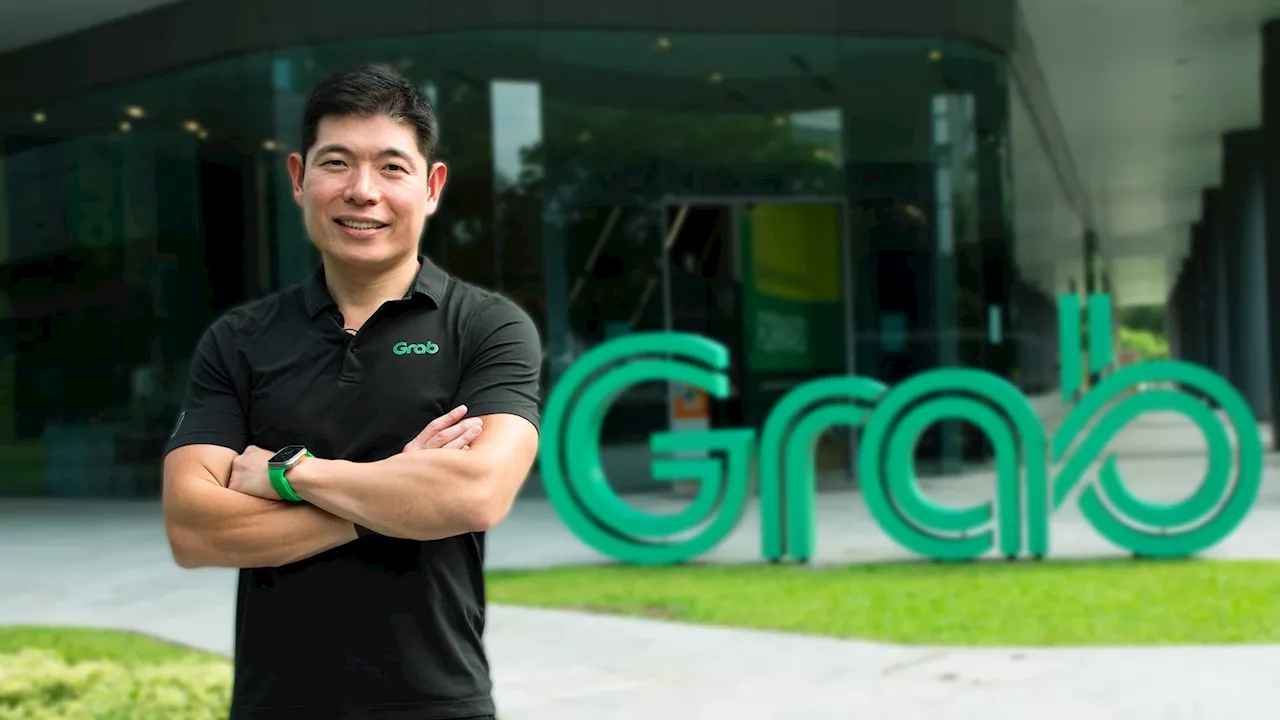 The rise of Grab: How I built a super app that brings in over $2 billion a yearAnthony Tan is the co-founder and CEO of Grab. Founded in 2012, the ride-hailing app has now grown into a 'super app' that offers services in mobility, deliveries, and digital financial services. Grab is listed on the Nasdaq and has more than 35 million users across eight countries in Southeast Asia as of 2023.
Read more »
 How I built a $2 billion a year super app called Grab: '20 hour' work daysAnthony Tan, 42, is the co-founder and CEO of Grab. As of 2023, the company serves 35 million customers and provides 13 million gig jobs across Southeast Asia.
Read more »