
Skyler Ware is a freelance science journalist covering chemistry, biology, paleontology and Earth science. She was a 2023 AAAS Mass Media Science and Engineering Fellow at Science News. Her work has also appeared in Science News Explores, ZME Science and Chembites, among others. Skyler has a Ph.D. in chemistry from Caltech.
A new type of computer that combines regular silicon-based hardware with human neurons is now available for purchase. The CL1, released March 2 by Melbourne-based startup Cortical Labs, is"the world’s first code deployable biological computer," according to theInside the CL1, a nutrient-rich broth feeds human neurons, which grow across a silicon chip.
That chip sends electrical impulses to and from the neurons to train them to exhibit desired behaviors. Using a similar system, Cortical Labs taught DishBrain to "The perfusion circuit component acts as a life support system for the cells – it has filtration for waste products, temperature control, gas mixing, and pumps to keep everything circulating,”The system uses just a few watts of power and keeps neurons alive for up to six months, according to the company’s website. New AI model converts your thought into full written speech by harnessing your brain's magnetic signals Scientists at Cortical Labs are still working to engineer a system that accurately represents the many types and functions of cells in the human brain with the fewest possible cells. But tools like the CL1 could help researchers develop treatments for brain-related diseases by probing how the system learns and processes information.Get the world’s most fascinating discoveries delivered straight to your inbox.Receive email from us on behalf of our trusted partners or sponsors "The large majority of drugs for neurological and psychiatric diseases that enter clinical trial testing fail, because there’s so much more nuance when it comes to the brain – but you can actually see that nuance when you test with these tools," Kagan added.around the development of"synthetic biological intelligence" like the CL1. Although DishBrain and CL1 are less complex than human brains, the technology has sparked debates around the nature of consciousness and the potential for future synthetic biological intelligence to experience suffering. "Right now, I think this is an unfounded concern. I think it would be a missed opportunity to not able to use a system that has the, a stem cell researcher at the Murdoch Children’s Research Institute in Australia who was not involved in the development of CL1, told the."But at the same time, it's important that we evaluate and anticipate potential concerns that the use of these models might raise."The CL1 units will retail for approximately $35,000 each and will become widely available in late 2025, New Atlas reported. Each unit needs suitable laboratory facilities to run properly, so Cortical Labs will also offer a remote cloud-based computing option for users who don’t have their own device. Skyler Ware is a freelance science journalist covering chemistry, biology, paleontology and Earth science. She was a 2023 AAAS Mass Media Science and Engineering Fellow at Science News. Her work has also appeared in Science News Explores, ZME Science and Chembites, among others. Skyler has a Ph.D. in chemistry from Caltech.World's first operating system for quantum computers unveiled — it can be used to manage a future quantum internet
United States Latest News, United States Headlines
Similar News:You can also read news stories similar to this one that we have collected from other news sources.
 The North Pole could wander nearly 90 feet west by the end of the centurySkyler Ware is a freelance science journalist covering chemistry, biology, paleontology and Earth science. She was a 2023 AAAS Mass Media Science and Engineering Fellow at Science News. Her work has also appeared in Science News Explores, ZME Science and Chembites, among others. Skyler has a Ph.D. in chemistry from Caltech.
Read more »
 Thousands of strange, blobby creatures are washing up on California beachesSkyler Ware is a freelance science journalist covering chemistry, biology, paleontology and Earth science. She was a 2023 AAAS Mass Media Science and Engineering Fellow at Science News. Her work has also appeared in Science News Explores, ZME Science and Chembites, among others. Skyler has a Ph.D. in chemistry from Caltech.
Read more »
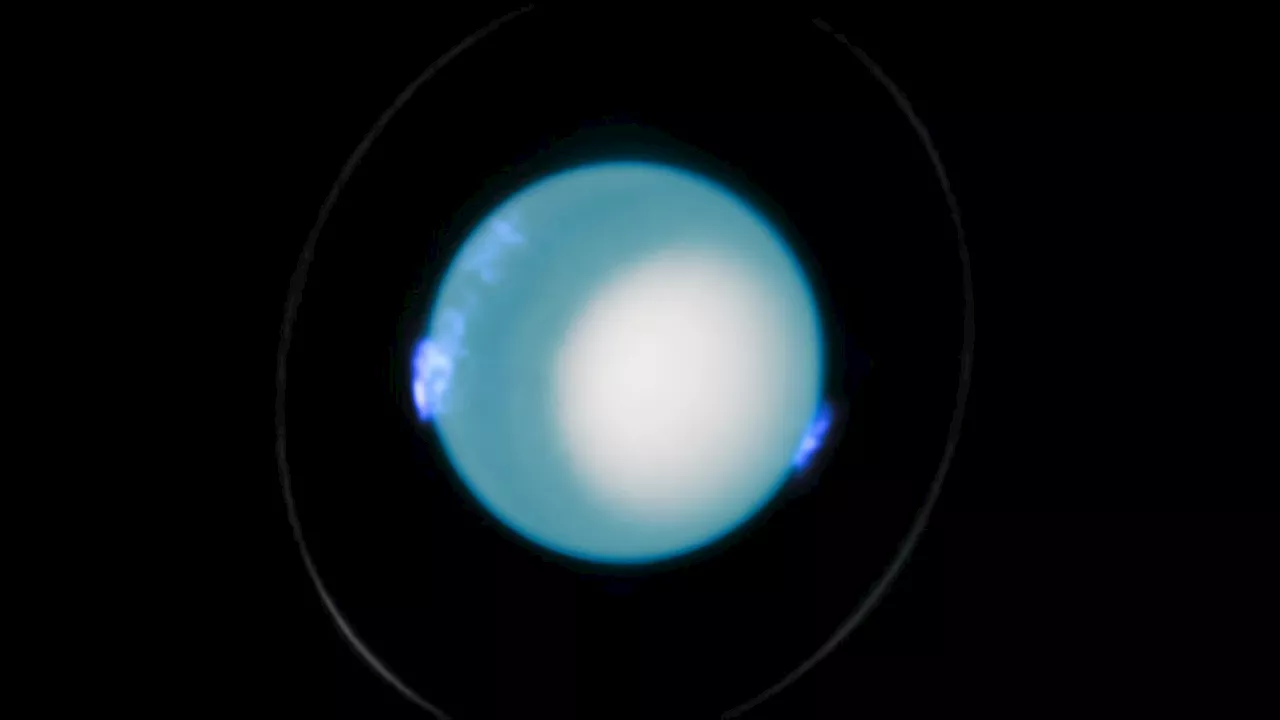 Scientists finally know how long a day on Uranus isSkyler Ware is a freelance science journalist covering chemistry, biology, paleontology and Earth science. She was a 2023 AAAS Mass Media Science and Engineering Fellow at Science News. Her work has also appeared in Science News Explores, ZME Science and Chembites, among others. Skyler has a Ph.D. in chemistry from Caltech.
Read more »
 Strange altar found at Tikal wasn't made by the Maya — and it has at least 4 people buried inside itSkyler Ware is a freelance science journalist covering chemistry, biology, paleontology and Earth science. She was a 2023 AAAS Mass Media Science and Engineering Fellow at Science News. Her work has also appeared in Science News Explores, ZME Science and Chembites, among others. Skyler has a Ph.D. in chemistry from Caltech.
Read more »
 The North Pole could wander nearly 90 feet west by the end of the centurySkyler Ware is a freelance science journalist covering chemistry, biology, paleontology and Earth science. She was a 2023 AAAS Mass Media Science and Engineering Fellow at Science News. Her work has also appeared in Science News Explores, ZME Science and Chembites, among others. Skyler has a Ph.D. in chemistry from Caltech.
Read more »
 The North Pole could shift 90 feet west by 2100Skyler Ware is a freelance science journalist covering chemistry, biology, paleontology and Earth science. She was a 2023 AAAS Mass Media Science and Engineering Fellow at Science News. Her work has also appeared in Science News Explores, ZME Science and Chembites, among others. Skyler has a Ph.D. in chemistry from Caltech.
Read more »