
Bernard Marr is a world-renowned futurist, board advisor and author of Generative AI in Practice: 100+ Amazing Ways Generative Artificial Intelligence is Changing Business and Society. He has written over 20 best-selling and award-winning books and advises and coaches many of the world’s best-known organisations.
Thanks to AI, it's becoming increasingly difficult to know when we are looking at something that exists in the real world and when we’re looking at a computer-generated image. The same is true for sounds and videos, as generative AI tools becomeSometimes it doesn’t even take AI – as we saw recently with the fuss over Princess Katherine’s photoshopped family snaps.
The simple fact is it’s becoming easier to generate pictures, text, video or audio of anything we want – whether or not it exists, and whether or not it’s an accurate reflection of reality. This leaves us faced with the possibility than one day – perhaps soon – there will be no need for “real” content captured and recorded from the real world. For most image, video or aural content that we consume, it will be cheaper, easier and quicker to simply tell a computer to make it for us. This might seem shocking and could seem to imply the redundancy of a huge number of human jobs – from writers and illustrators to actors, voiceover artists, instrumentalists and animators. No matter what savings it might seem to offer in terms of time, resources and money, is this a future anyone wants? So, let’s take a look at some of the issues around this huge proliferation of “fake” content, that’s only going to increase, and some of the effects its likely to have on society.Ukraine Tank Heist How Russians Tried To Nab A Ukrainian Strv 122 And Ukrainian Drones Thwarted Them For the purpose of this article, I am going to use the term “fake” content to mean anything that isn’t produced by humans or is altered from its source material by computers. This isn’t just about generative AI. It also includes the use of filters that can alter our perception of reality – to the point of having Deepfakes are at the more high-tech end of the spectrum. These are so-called because they harness deep learning neural networks to create convincing but utterly fabricated content. Thinkand convincing an employee to transfer millions of dollars into their account. And deepfakes have been used to fabricate statements from politicians in order to undermine democratic processes and spread fear and disinformation.but you probably only have to glance at your social media feed to see AI-generated content and images are increasingly becoming an everyday thing.Advertising and entertainment might be seen as acceptable outlets for computer-generated or edited content, when it’s done in an ethical way. However, it poses serious concerns for news organizations and even democratic processes. The Princess Katherine affair showed us that the media are aware of the threat. The image being withdrawn so quickly by three news outlets is not something that’s happened before, to my knowledge. It suggests the media understand the impact that publishing non-authentic content could have on their reputations, and are already putting safeguards in place. There are two challenges here. First, journalists need to develop rigorous methods for verifying sources. This is only likely to become more difficult as the amount of synthetic content being pumped into the world grows. Secondly, they must develop ways of convincing an increasingly skeptical audience that “real” content is genuine. For many people, it will become more and more tempting to simply dismiss anything they don’t like or agree with as fake news. In fact, I can see that a lot of people will find themselves becoming a lot more skeptical, as they adjust to a world where even evidence we see with own eyes can’t necessarily be trusted.It's the first law of its kind anywhere in the world, but we have yet to see how it will be enforced and how practical it will be in reality. After all, the act applies to businesses, so individuals can still create whatever they want and pass it off as genuine. It’s unlikely, for example, to stem the flood of AI-generated non-consensual pornography and nudity that celebrities, including, have become victims of In the end, though, I believe education will prove to be just as important as regulation. Developing an understanding of the risks of this new era, as well as of the methods and motivations of those who might try to turn uncertainty to their advantage, will make us more capable of avoiding the pitfalls. Common sense and critical thinking skills will be just as useful as any of the high-tech solutions that are likely to appear as the issues around what’s real and what’s fake become more pressing.In the AI era, the barriers to content creation are dramatically lowered. Rather than an end to human creativity, I expect we will see humans and machines collaborating to create content in new ways. One way of looking at it is that you no longer have to be a fantastic writer or designer to use words or pictures to communicate great ideas. And that’s likely to mean there will be a whole lot more great ideas flying around. The risks to jobs are real, though. Businesses will inevitably find synthetic content attractive. But those that rely on it to the point of excluding humans from the creative process will find themselves losing the competitive edge and identity that talented humans foster with their work. And there will always be those who take advantage of how easy it’s become to create anything, in order to spread fear, uncertainty or confusion. But I think society will adapt to meet these challenges – whether this means becoming better at knowing when we are being lied to or tricked or placing more value on content that’s authentic and human. There will always be a place in society for human-created content that accurately reflects the real world, with all its ugliness and imperfections. But the most exciting new content will be one that melds meaningful human experiences with digital innovation in ways that enrich our lives just as music, film, and books have done throughout human history.
United States Latest News, United States Headlines
Similar News:You can also read news stories similar to this one that we have collected from other news sources.
 Beyond The Hype: Decoding The Real Magic Of Generative AIMiles Ward is the CTO of SADA Systems, a leading Google Cloud Partner. Read Miles Ward's full executive profile here.
Read more »
 Windows Photos Now Has Generative Erase and More AI ToolsMicrosoft has added Generative Erase and other AI-powered image editing tools to Windows 10 for Microsoft Insiders.
Read more »
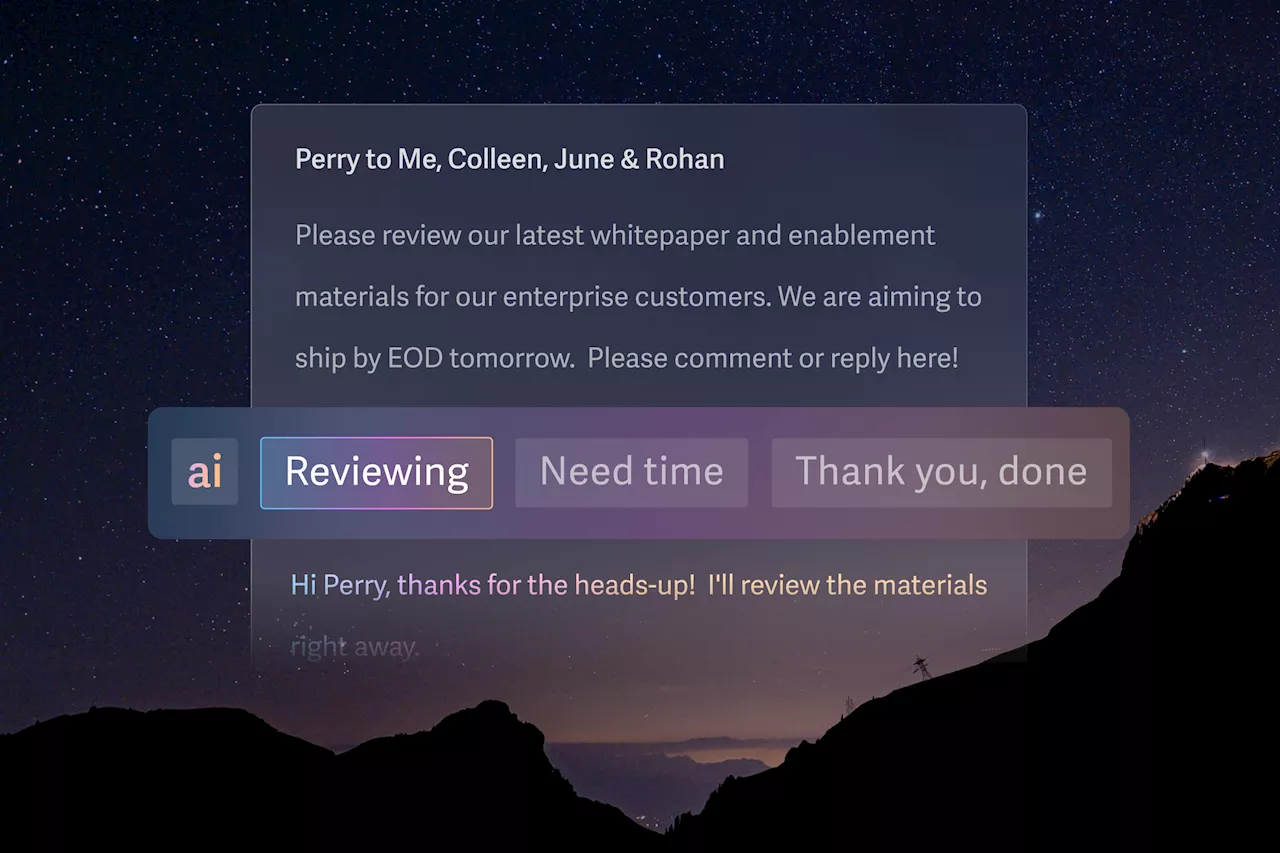 Superhuman’s new Instant Reply feature uses generative AI to reply to emails for youSuperhuman has announced a new feature called Instant Reply that uses generative AI to write your email replies for you.
Read more »
 Kirin Sinha Shares How Generative AI Has Fueled Augmented RealityKirin Sinha, of Illumix, shares the advancements in artificial intelligence that have allowed augmented reality to become much more accessible to everyday consumers.
Read more »
 Google Gemini promises improvement amid generative image controversyElon Musk, criticized the tool's errors as 'racist and anti-civilizational.'
Read more »
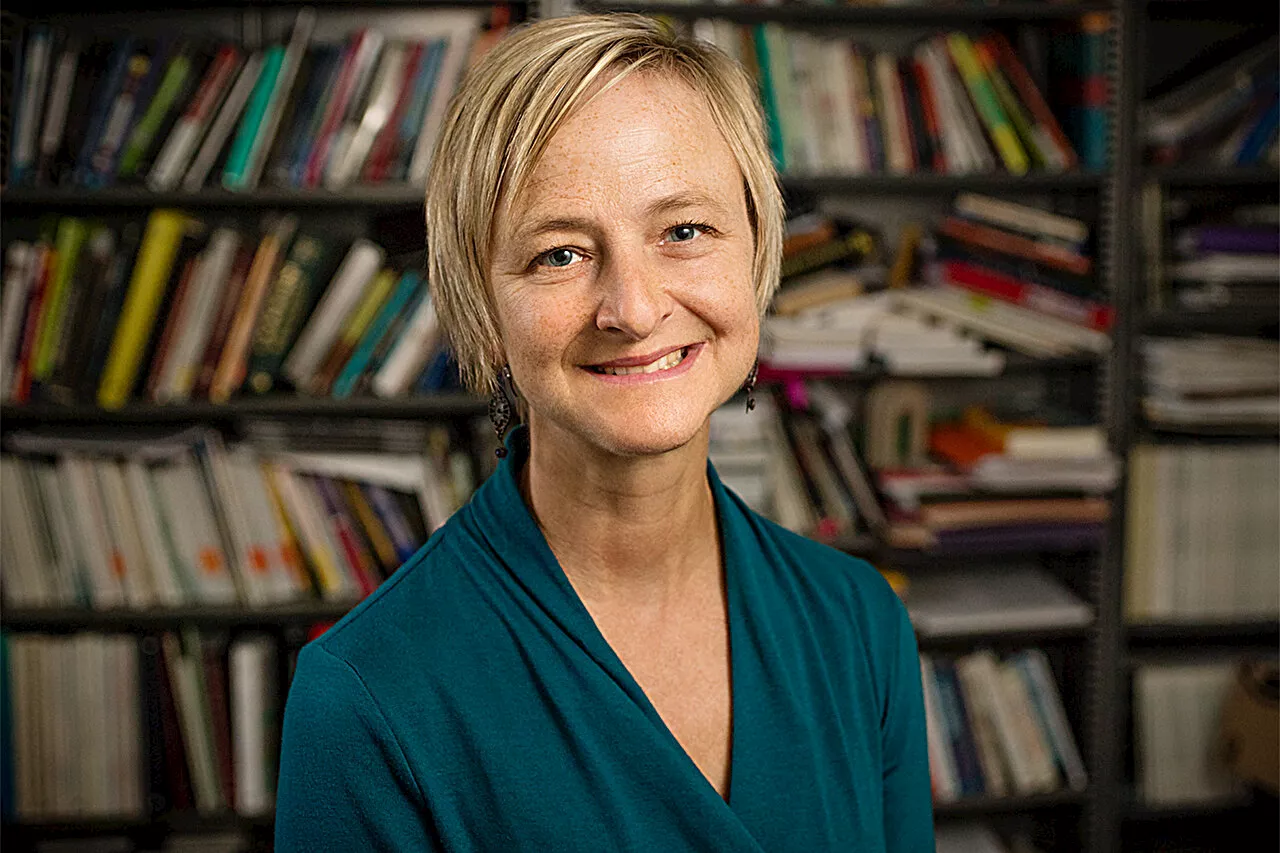 Q&A: How will generative artificial intelligence affect political advertising in 2024?It's estimated that $12 billion will be spent on political ads this election cycle—30% more than in 2020. The sheer volume of ads is remarkable, and there is vast potential to use this political information to contribute to democracy: to reach more potential voters and provide accurate information.
Read more »