
At this year’s Consumer Electronics Show in Las Vegas, NVidia just announced the launch of its Cosmos platform, designed to accelerate the development of physical AI s...
that can walk, talk and work alongside us are just two of the amazing ways in which AI promises to change the world in the near future. This is data that, despite being artificially created, is close enough to the real world that robots, self-driving cars, and other physical AI algorithms should be able to learn from it.
that can walk, talk and work alongside us are just two of the amazing ways in which AI promises to change the world in the near future.. This is data that, despite being artificially created, is close enough to the real world that robots, self-driving cars, and other physical AI algorithms should be able to learn from it. However, some people believe that no amount of synthetic data will ever be able to fully simulate every real-world scenario that machines will need to be prepared for. This is why Tesla, for example, has spent many years collecting real-world data with its sensor-packed cars. CEO Elon Musk, “Two sources of data scale infinitely: synthetic data, which has an ‘is it true?’ problem and real-world video, which does not.” California Wildfire Live Updates: Death Toll Hits 24 In Palisades, Eaton Fires—As Heavy Wind Expected In Coming DaysThe argument is that synthetic data lacks the chaotic unpredictability and complexity of the real world and that this is essential for building comprehensive and safe AI systems. Let’s look into this in a bit more detail.In autonomous driving systems, visual data are used to train algorithms that determine how vehicles will react to different conditions and situations on the road. This data can be captured with cameras attached to vehicles . It can also be generated by AI algorithms according to rules learned from studying real-world data .Synthetic data can often be collected much more quickly and cost-effectively than real-world data. No one has to actually go out and gather it – it is simply generated by machines. This can also have safety benefits. Testing self-driving cars on roads, for example, clearly comes with some element of risk, which can be eliminated if journeys are simply simulated. Situations, environments and many other variables can also be customized, rather than having to wait for the ideal circumstances to gather data to emerge in the real world. For example, researchers can simulate rare weather events, test autonomous vehicles in dangerous scenarios, or model complex manufacturing defects without real-world risks or delays. Additionally, generating synthetic data can also reduce or eliminate concerns around privacy and data protection that might apply in the real world, as there’s no danger of sensitive personal data inadvertently being stored or compromised. This could happen when collecting real-world data. Car license plates captured on camera by autonomous cars could conceivably be connected to their owner and used to identify and track them, for example. Real-world data, on the other hand, as Musk points out, has the undeniable advantage of being more authentic. Chaotic and hard-to-predict human behaviors that are difficult to generate synthetically are more likely to be accounted for in the data. Regulation could also be an issue. Laws around AI are evolving quickly, and it may be the case that regulators require certain models or applications to be trained on real-world data at some point in time or in some jurisdictions for safety reasons.In truth, both real-world and synthetic data are likely to be vitally important to training the upcoming generation of physical AI vehicles and robots. Both offer distinct advantages and challenges and adopting a hybrid approach is likely to be the best path to success. The trick will be identifying which is most appropriate for specific use cases. For example, it’s possible that synthetic data will be more useful for tasks or applications involving the processing of sensitive information or operating in dangerous conditions. Real-world data, on the other hand, might be best when it comes to capturing dynamic human behaviors, or there is a likelihood of encountering chaotic unforeseen events. This means that AI projects that adopt a balanced approach, led by those who understand how synthetic and real-world information can complement rather than compete with each other, are more likely to create real business value.Our community is about connecting people through open and thoughtful conversations. We want our readers to share their views and exchange ideas and facts in a safe space.Insults, profanity, incoherent, obscene or inflammatory language or threats of any kindContinuous attempts to re-post comments that have been previously moderated/rejectedAttempts or tactics that put the site security at riskProtect your community.
Tesla AI Data AI Training Train AI Synthetic Data Real-World Data
United States Latest News, United States Headlines
Similar News:You can also read news stories similar to this one that we have collected from other news sources.
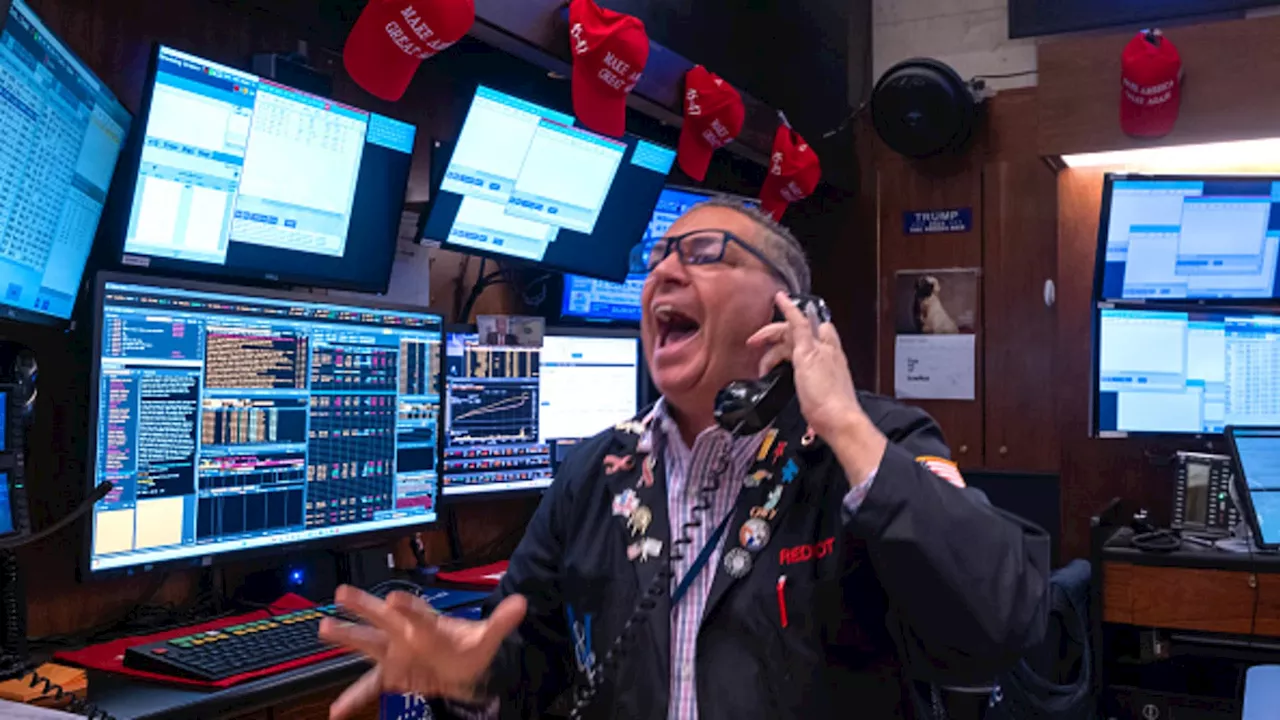 Tesla Surpasses Apple and Nvidia in Short Interest and VolatilityTesla's stock has seen a surge in short interest and volatility, surpassing both Nvidia and Apple in recent months. S3 Partners, a firm specializing in tracking Wall Street short interest, attributes this to Tesla's growing market influence.
Read more »
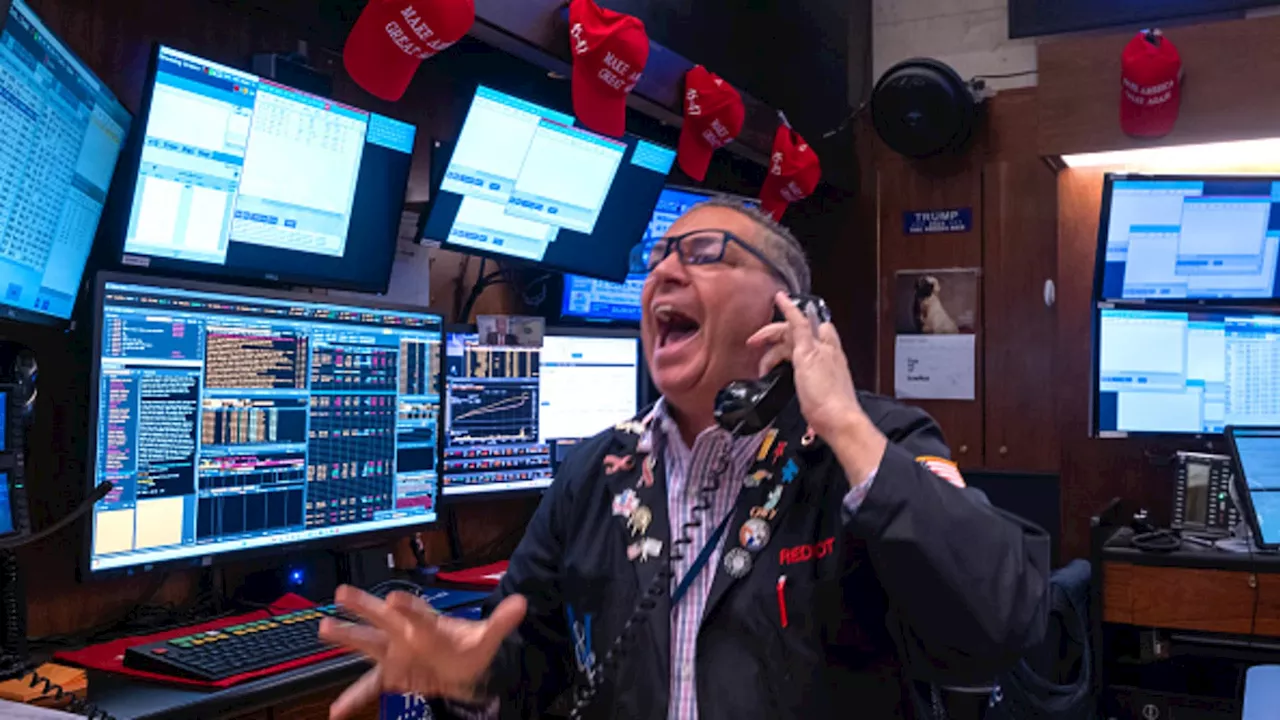 Tesla's Market Influence Surpasses Nvidia and AppleTesla's stock volatility and short interest highlight its growing market influence, surpassing both Nvidia and Apple recently.
Read more »
Tesla's Market Influence Surpasses Nvidia and Apple, S3 Partners SaysTesla's stock has seen a surge in short interest and volatility, surpassing both Nvidia and Apple in recent months, according to S3 Partners. Tesla shares now move up or down an average of 4.5% daily, compared to Nvidia's 3% to 4% and Apple's 1%. All three stocks are vying for the highest dollar value of shares sold short, with Tesla recently overtaking Apple.
Read more »
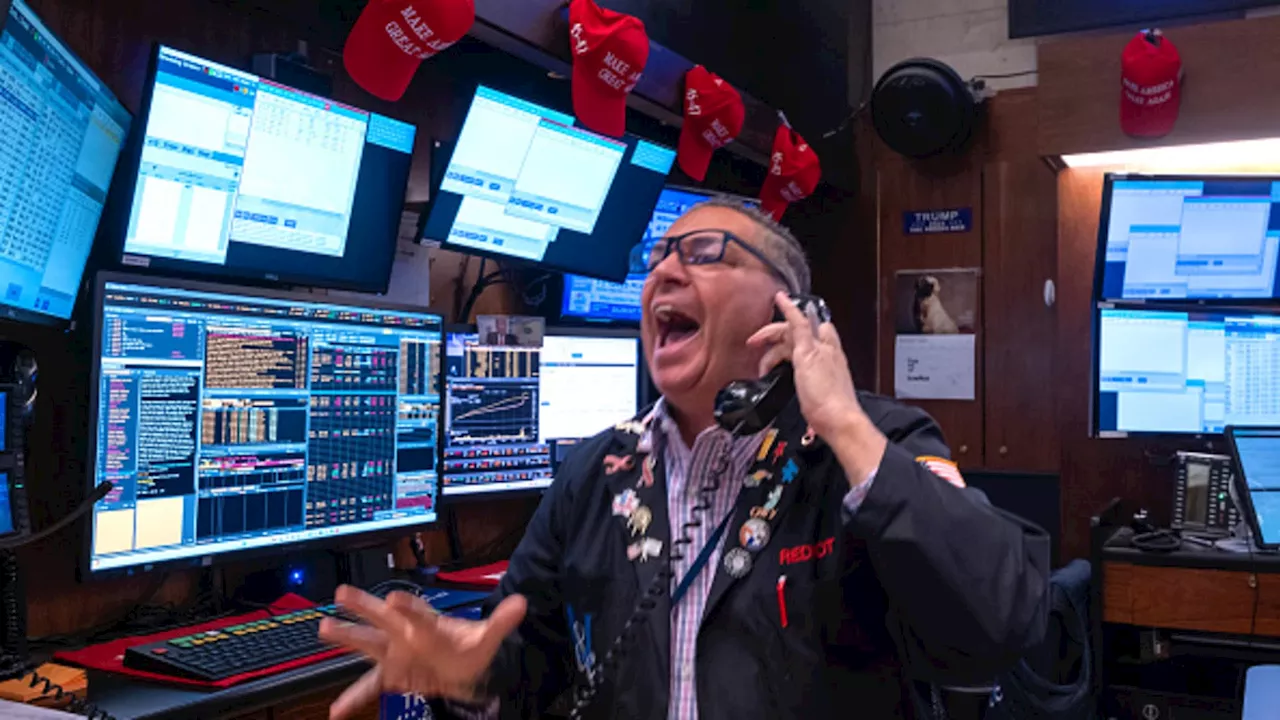 Tesla's Growing Market Influence Surpasses Nvidia and AppleTesla's increasing short interest and stock volatility highlight its growing influence, surpassing both Nvidia and Apple in recent months. S3 Partners, a firm tracking Wall Street short interest, notes that Tesla's daily share movements now range from 4.5% compared to its previous volatility of 3% to 4%. Nvidia typically fluctuates 3% to 4% daily, while Apple only moves around 1%. All three companies are vying for the highest dollar value of shares sold short, with Tesla recently overtaking Apple.
Read more »
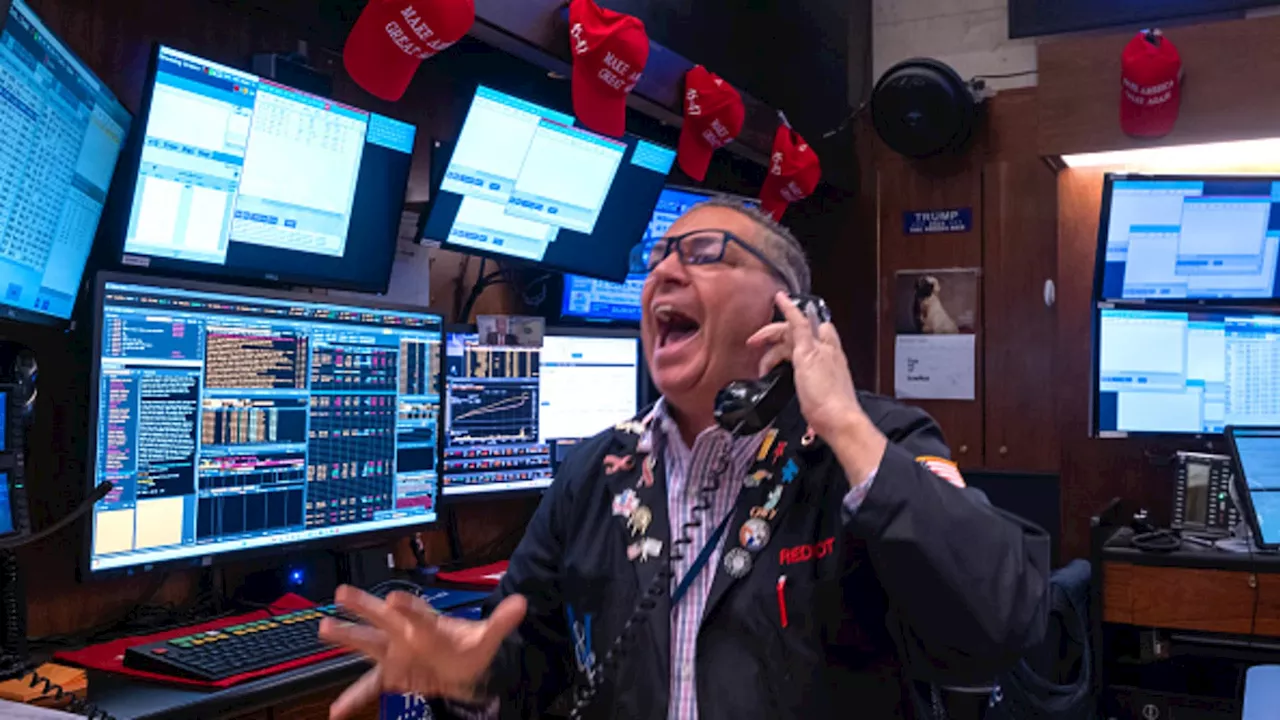 Tesla's Market Influence Surges, Outpacing Apple and Nvidia in Short InterestTesla's growing market influence is highlighted by a recent surge in the notional value of short interest in its stock, surpassing both Nvidia and Apple in recent months. S3 Partners, a firm specializing in tracking Wall Street short interest, notes that Tesla's shares now experience a daily volatility range of 4.5%, compared to Nvidia's 3% to 4% and Apple's 1%. All three stocks are in a tight competition for the highest dollar value of shares sold short.
Read more »
Tesla Surpasses Apple and Nvidia in Short Interest, Highlighting Market InfluenceTesla's growing market influence is highlighted by a recent surge in short interest, surpassing both Apple and Nvidia. S3 Partners, a firm specializing in tracking Wall Street short interest, notes that Tesla's share price volatility has increased to 4.5% daily, compared to Nvidia's 3% to 4% and Apple's 1%. All three stocks are engaged in a competition for the highest dollar value of shares sold short.
Read more »