
It sounds weird coming from the CEO of a company that makes 500-mile EVs. But hear him out.
Lucid Motors has made a name for itself by building some of the longest-range electric cars on the planet. The Air sedan hit the scene in 2021 with the unprecedented ability to travel a bladder-busting 520 miles on a full charge.
Nobody else has touched that yet—not even Tesla. But Peter Rawlinson, the California-based EV startup’s CEO and CTO, thinks the future of transportation hinges on EVs with less range—way less, in fact. In a recent interview with InsideEVs, he said Lucid would “quite possibly” make a car with 180 miles of range on its upcoming midsize platform, which will underpin a line of more affordable vehicles. “That’s the future, definitely,” he told InsideEVs. “I wouldn’t say that midsize would be limited to that, but I could see a variant of midsize that’s just got that 10 years from now.” More Executive Interviews Other EV Companies Ditched Dealers. Polestar Is All-In On Them 'You're Going To Be In Rough Shape': Rivian CEO To Rivals Backing Off EVs That idea may sound ridiculous today, when “range anxiety” remains one of the biggest factors keeping people hooked on gasoline. Automakers have been pushing ranges higher and higher to capture buyers on the fence—and you’re considered an unserious player if you can’t offer at least 250 miles, and preferably over 300. EVs with under 200 miles of range feel like a relic of a bygone era, when models like the Nissan Leaf and BMW i3 were on the cutting edge. But Rawlinson argues that someday soon many people, particularly city dwellers, will realize they can get by with a lot less. Photo by: InsideEVs Lucid's midsize crossover arrives in 2026, and Lucid's only shared teaser images like this one so far. Once charging infrastructure is abundant and reliable enough, drivers will get used to juicing up whenever they’re parked, he said. And once you can plug in anywhere at any time, you don’t need hundreds of miles of extra range as a buffer. By 2030, Rawlinson believes buyers will accept a range of 200 miles for a family SUV. To be sure, that wouldn't be ideal for ultra-long road trips. But Rawlinson's point is that most people don't drive too far on a typical day. According to the Department of Transportation, Americans tend to drive just under 40 miles daily. He understands this all sounds weird coming from him. “It may seem paradoxical that you hear me saying this, when I’m synonymous with ultra-long-range vehicles,” he tells me with a grin. “But I’m actually synonymous with big-picture thinking.” Photo by: Lucid Motors The new three-row Lucid Gravity SUV has 450 miles of range, according to EPA estimates. It was always the plan at Lucid, he says, to start with high-end, long-range cars, then apply that same technology to mass-market, lower-range EVs that actually turn a profit. The startup’s whole game plan is to make EVs so efficient that they beat rivals on battery costs, while offering equivalent range. Right now, it’s still in stage one of that plan; the Air and just-released Gravity SUV are on the market, and a $50,000 crossover is on the way for 2026. Importantly, wide acceptance of limited-range cars could do wonders EV costs, which remain stubbornly high largely because batteries are so expensive. Rawlinson says a roughly 180-mile Lucid would only need a 30-kilowatt-hour pack, a fraction of what’s used in most EVs today. Meanwhile, costs for lithium-iron-phosphate batteries, a cheaper battery chemistry, have already dropped to around $60 per kWh, he notes. Photo by: Patrick George The Lucid Air Pure is the startup's entry-level car, priced at around $70,000. “Then we can make a battery pack for about $2,500, maybe $2,000—instead of $20,000 or $25,000 today,” Rawlinson told the crowd at the BloombergNEF Summit in San Francisco, where InsideEVs caught up with him. “And that is the driver for the mass adoption of the EV to save all mankind in the future.” This low-range future will necessitate more investment not just in DC fast-charging stations, but also in slower Level 2 plugs, which Rawlinson thinks have been overlooked. Level 2 AC plugs aren’t as sexy as the high-powered chargers that can fill up a car in 20 or 30 minutes. But they’re cheaper to install and work great for apartment complexes, sidewalks and offices—places where people leave their cars for extended periods. “My view is there is a myopia, an over-focus, on DC fast charging,” Rawlinson said. “The narrative should be about AC charging, overnight charging.” Don’t expect Lucid to pivot away from the road-tripping monsters it’s known for, though. Rawlinson says there will always be people willing to pay for the convenience of rarely stopping to charge. “That is a lifestyle thing,” he said. “That is buying the experience of not having to charge at all.” Got a tip about the EV world? Contact the author: Tim.Levin@InsideEVs.com More EV News 2025 Hyundai Ioniq 5 Gets Discounts Until Its Tax Credits Are Back Tesla Is Facing Global Protests, Vandalism Over Elon Musk's Government Meddling Tesla Drivers Are The Worst In The Country: Study BMW: EVs With Huge Batteries 'Don’t Make Sense' Ionna Says We Need Chargers Where ‘Reliability Isn’t Even A Question' Lucid Aims To Be 20% Car Company, 80% Tech Supplier: CEO
United States Latest News, United States Headlines
Similar News:You can also read news stories similar to this one that we have collected from other news sources.
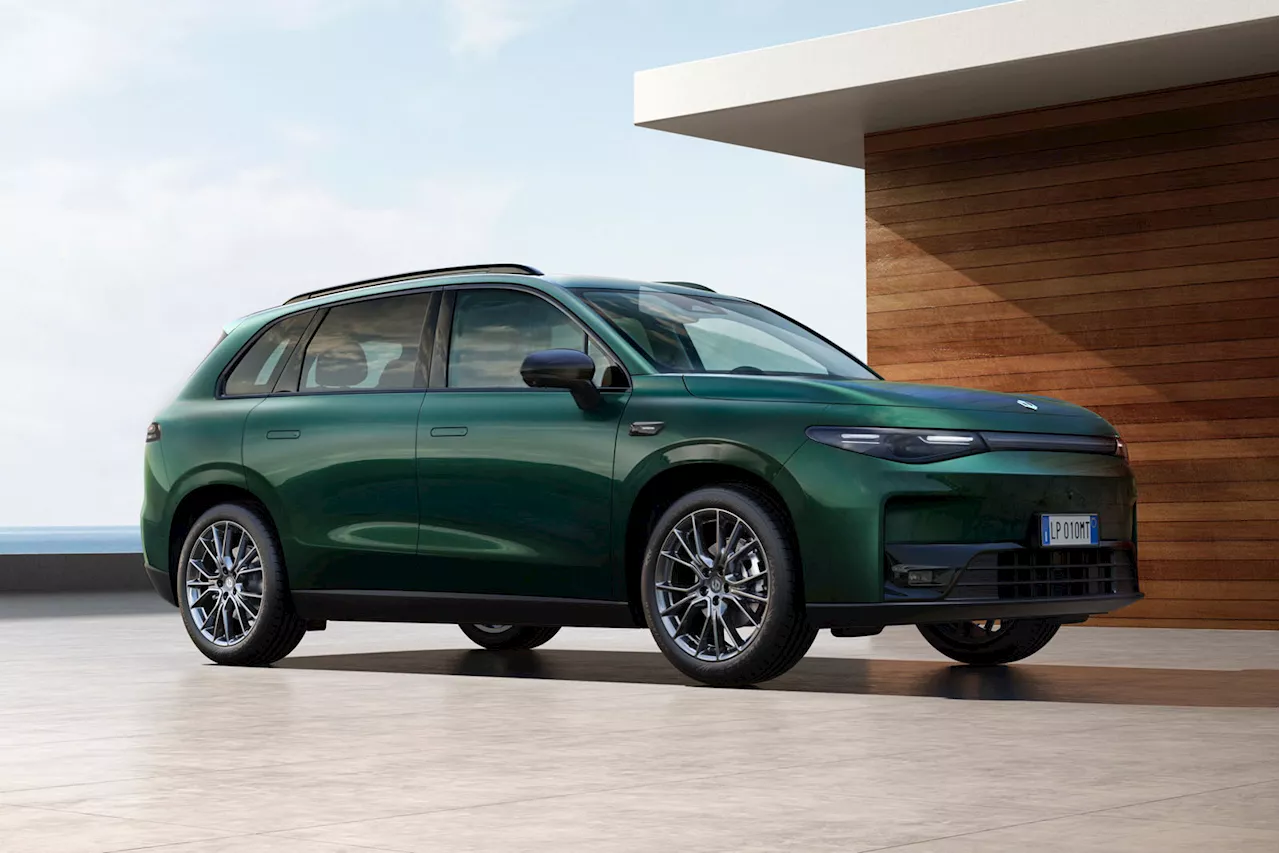 Chinese car boss on why EVs will hit a 'tipping point' in three yearsBoss of UK-bound Chinese brand says limited electric car sales are due not to lack of demand but lack of variety
Read more »
 Why Honda Dealers Actually Want EVsThe Honda Prologue's success proves that Americans are hungry for EVs from the Japanese brands they trust.
Read more »
 Industry digest: Why the Chinese playbook is much more fundamental than low-cost EVsTraditional thinking no longer holds water in the new commercial landscape
Read more »
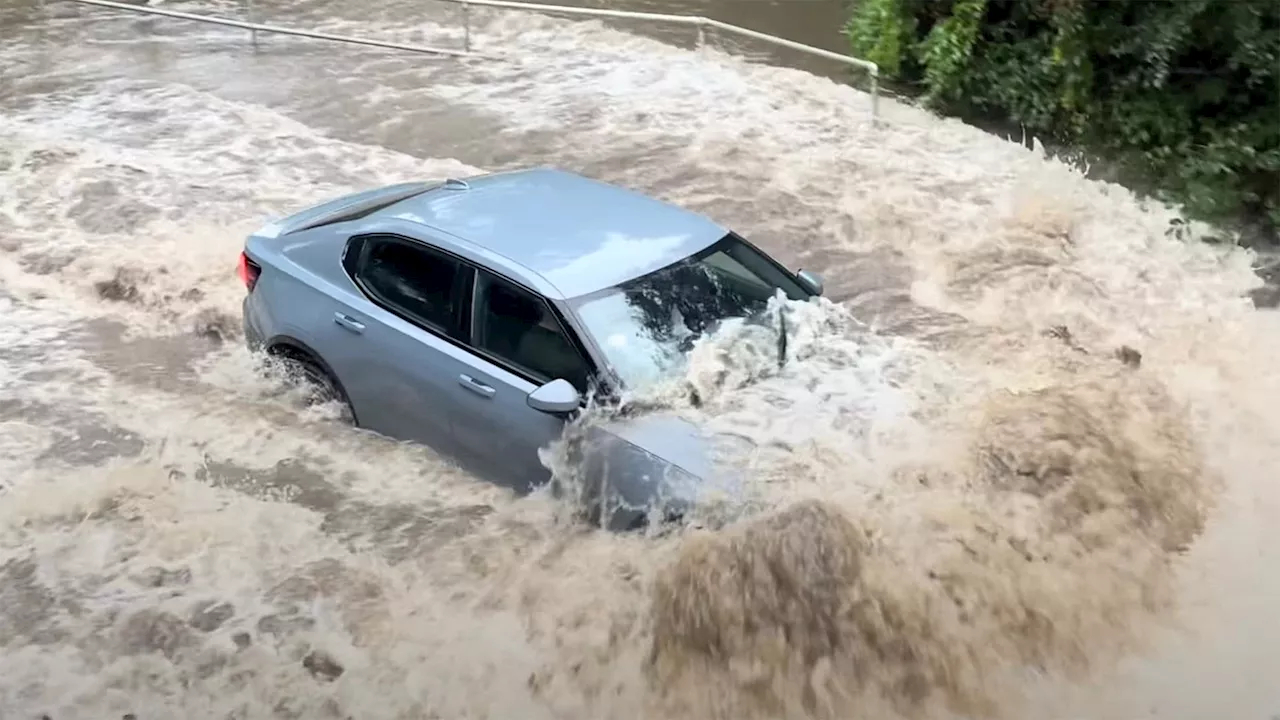 EVs Handle Deep Water Better Than ICE Cars, But Don't Drive Into RiversA YouTube video shows a Polestar 2 electric vehicle (EV) driving through deep water without issue, highlighting the advantage EVs have over internal combustion engine (ICE) vehicles in flooded situations. While EVs can navigate flooded roads that would stop ICE cars, it's still not recommended to drive into deep water. The article explains why EVs are better suited for this scenario and cautions against intentionally driving EVs through water for extended periods due to potential damage to other components.
Read more »
 Lucid Aims To Be 20% Car Company, 80% Tech Supplier: CEOPeter Rawlinson said the goal is to get Lucid tech into Hondas and Toyotas, and the cars are a 'shop window' to do that.
Read more »
 Lucid CEO: Tesla's Charge Port Placement Inspired by Elon Musk's Bel Air GarageLucid's CEO claims Tesla's charge-port design was influenced by a layout concern in Elon Musk's rented Bel Air garage. If true, it means several brands are aligning their charge ports for the same reason.
Read more »