
From the Center There are swing voters, and then there are swing voters. Bu
There are swing voters, and then there are swing voters. But there are two voter groups in particular — both situated close to the center of the political spectrum — who are especially influential in the outcome of American presidential campaigns.
As a direct result of the increasingly heated debate over reproductive rights, both may be shifting in Joe Biden’s direction. The first of those two groups is married women. The gender gap in our country’s politics, a dynamic in which female voters are much more likely to support Democrats and men are more likely to vote for Republicans, has been a driving force in presidential elections since the Reagan era. Less well known but just as pronounced is the so-called marriage gap, which reflects married voters of both genders to support Republican candidates in much greater numbers and single women and men far more likely to vote for Democrats. While single women and married men are among the most reliably loyal supporters of the two major parties , that leaves married women as the great deciders in close elections. When these voters prioritize issues that reflect their marital status, Republican candidates are advantaged. When they cast their ballots on matters that reflect their gender, Democrats benefit. More recently, the electorate has divided itself even more starkly according to geographic status, as urban voters have come to represent an extremely Democrat-leaning constituency while rural Americans now vote overwhelmingly Republican. As a result, the suburbs have emerged as perhaps the most critical geographic battleground in our elections. While the two parties have fiercely contested the suburban vote for decades, the growing ideological and cultural chasm between urban and rural America has raised the stakes for these voters to an all-time high. That’s why it was so notable when the most recent Wall Street Journal poll of seven battleground states showed that suburban women not only ranked as the most important issue in determining their votes this fall, by a more than 2-1 margin over immigration policy and an extraordinary 5-1 skew over economic issues. Voters in most demographic categories give Donald Trump higher marks than Biden on immigration and the economy, so if the election were to be determined on those matters, Trump would obviously be a heavy favorite. But such an overwhelming emphasis on abortion among these key swing voters explains why Biden’s campaign is devoting so much time and energy to the issue. Unfortunately, the breakdown in the Journal poll according to marital status was not available. And it is important to remember that without the ability to separate out married women from single female voters, we don’t know how that important group regards these issues. But it’s clear that on a political landscape on which Biden faces daunting challenges on issues relating to the economy, immigration, Gaza, crime, and others, the abortion debate has become a life preserver for his campaign.the state would enforce a ban on abortion that had been implemented in the 1860s , Trump spoke out against it. He clearly recognizes both the danger that this issue presents to him and the difficulty of establishing a position on the issue that will be acceptable to the suburban female voters we have been discussing. By Friday, Vice President Kamala Harris was in Arizona attacking Trump for his opposition to abortion rights and Trump was refusing to acknowledge that he was pro-life in answer to a reporter’s question. Both Arizona and Florida, whose courts upheld a, will have ballot initiatives in front of their voters this November. Early energy in both states seems to be on the side of the pro-choice forces., and the heightened visibility of the abortion issue is a major reason for that shift. If he is re-elected, how ironic it will be that he will have Trump’s three Supreme Court appointees to thank. Without them, Roe vs. Wade would still be in place, and the 2024 election would be decided on immigration, inflation and Gaza.Dan Schnur is a Professor at the University of California – Berkeley, Pepperdine University, and the University of Southern California, where he teaches courses in politics, communications and leadership. Dan is a No Party Preference voter, but previously worked on four presidential and three gubernatorial campaigns, serving as the national Director of Communications for the 2000 presidential campaign of U.S. Senator John McCain and the chief media spokesman for California Governor Pete Wilson. He has a Center bias.
United States Latest News, United States Headlines
Similar News:You can also read news stories similar to this one that we have collected from other news sources.
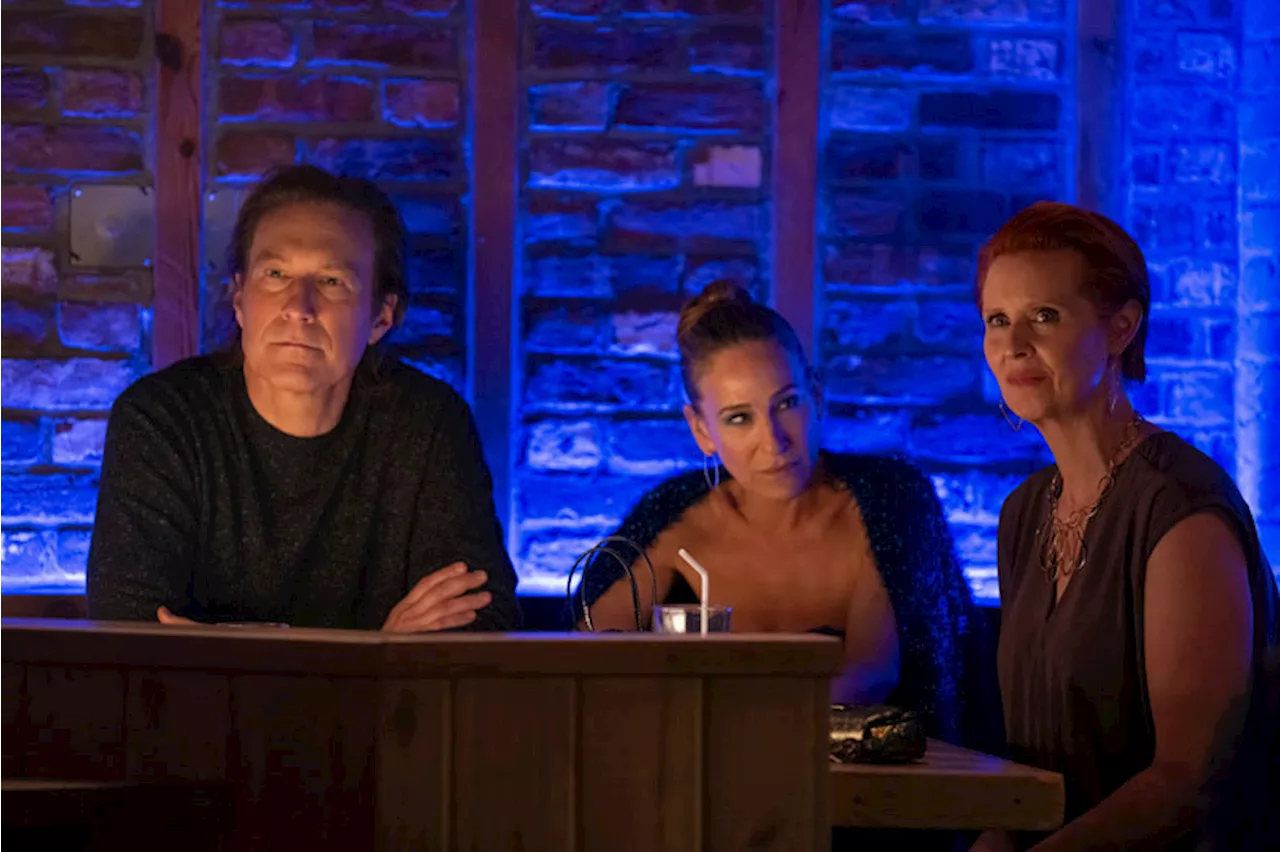 The Website Abortion Onscreen Keeps Track Of Shows And Films That Address Abortion“I just felt so shocked that they couldn’t even use the word abortion!” says Steph Herold, 36, regarding an episode of And Just Like That…, the sequel to the
Read more »
 Abortion Search Nearly Derailed Her Graduation, But Abortion Pill Was Available At Student’s CampusAntonia Cereijido is the host of Imperfect Paradise, a weekly narrative series about dreamers and schemers, hidden worlds and fascinating people. It’s a show about the gap between our ideal version of California and the messy reality we live in.
Read more »
 Nebraska Politics Are Famously Moderate. Abortion Is Changing That.What the recent censure of an anti-abortion Democrat signals about the shifting politics of abortion.
Read more »
 Anti-abortion Extremists Are Daring SCOTUS to Ban the Safest, Most Popular Abortion Method NationwideIf the Supreme Court bans mifepristone,they might as well ban dental floss.
Read more »
 The Anti-Abortion Movement’s Biggest FearThe anti-abortion movement’s decadeslong efforts to target the abortion pill.
Read more »
 Supreme Court abortion pill case: Crisis of abortion drug proliferationWhat happened to 'safe, legal and rare'?
Read more »