


 +34

“The more we ask the difficult questions, the better shape we’ll be in,” says the Canadian writer-director, about her adaptation of a novel about sexual abuse in a Mennonite commu…
It’s such a heavy story, one that had the potential to get very dark, but there are moments of levity throughout the film. How did you temper that heaviness as you were writing? What I was really drawn to in the story is that it’s this incredibly hopeful exercise — this community of women who don’t agree with each other on a lot of things, having to figure out how to work together and move forward together, and the stakes couldn’t be higher.
The film at its spine is incredibly optimistic, so I never felt mired in the difficulty of it. It’s about surviving and moving forward together as a community, and a really rich and deep experiment in what democracy might look like. Those, for me, were the driving forces. The trauma is the substance of what they have to deal with as they move through those things. I did think that finding laughter was incredibly important and that we needed a guiding principle of finding moments of release and laughter and levity wherever humanly possible in this film.Michael Gibson/Orion PicturesI had read the novel, and I saw that Dede Gardner and Frances McDormand had the rights to it, and I sent off an email asking about it. Five minutes earlier, they had sent an email asking if I was available. So it felt very, very meant to be. I was really excited by the challenge of figuring out how to manifest the spirit of the book and in a film, and also of the conversation that might elicit, of the hope it proposed in a time where I just feel like we’re so mired in what’s wrong with the world. And those are important conversations; they’re essential. But I think equally important [questions are]: what do we want to build? And what do we want to move towards? You’d been away from directing for several years when you emailed them — were you looking for a project to dive back into? It’s totally due to this film that I’ve come back to directing. I wasn’t looking around for a project to direct, that’s for sure. I just felt this sense of excitement and urgency about this story that made me want to come back. I think that I entered into this project with an enormous amount of gratitude and joy for what the job was, and I felt like I wasn’t taking anything for granted. Just the fact of being able to do this job after being away so long, with my concussion, and feeling like I might never make a film again. I was so grateful for the intensity of the collaboration, the sense of community, and communication. I really do feel like I had at least one moment of euphoria every single day of this shoot. I just was able to come back to it with so much more joy, and so much more of a willingness to take risks.Seeing an actor surprise themself. Seeing you moments where people delivered something that felt so profound and true that the rest of the cast would just kind of leap on them. There would be 15 hands on their back and hugging them. Seeing those moments that were just undeniably great, in terms of performance, and the sense of community that developed amongst these actors, the way they supported each other, moved out of the way for each other, lifted each other up, made space, listened. It just felt … it felt otherworldly sometimes. The film is based on a novel, not the real life events, but I’m curious — did you speak to any of the survivors from Manitoba? I did not have contact with actual survivors from Manitoba; I think that would be very hard to do. They’re a pretty cut off, isolated community. But I did have a lot of Mennonite consultants at every stage — people who had grown up in pretty conservative or orthodox colonies, as well as more progressive Mennonites in cities.In one sense it felt empowering, like we can imagine a better future. But it is also depressing because the aspirational better future [has to] be imagined. In Miriam’s book, she begins by talking about the fact that the elders in the community accused these women of lying, or said that it was ghosts, or Satan, who had raped them. Or that they were trying to cover up adultery. Or that it was an act of wild female imagination. She begins her story and her imagining of these women seeking out and finding their own liberation by saying “What follows is an act of female imagination.” Just taking the term and throwing it back, I thought, was such a powerful act. How do you reflect on MeToo today? You wrote in your book: “I hope that when this moment of noisy sisterhood dissipates, it doesn’t end with a woman in a courtroom being made to look crazy as these stories often do.” Was that prophetic?
Scratch the next story
United States Latest News, United States Headlines
Similar News: You can also read news stories similar to this one that we have collected from other news sources.
 Why Everybody’s Talking About the New Via Carota CookbookThe chefs behind one of New York’s favorite restaurants just published the Via Carota cookbook. In this interview, they reveal how easy it is to cook seasonal Italian food at home.
Read more »
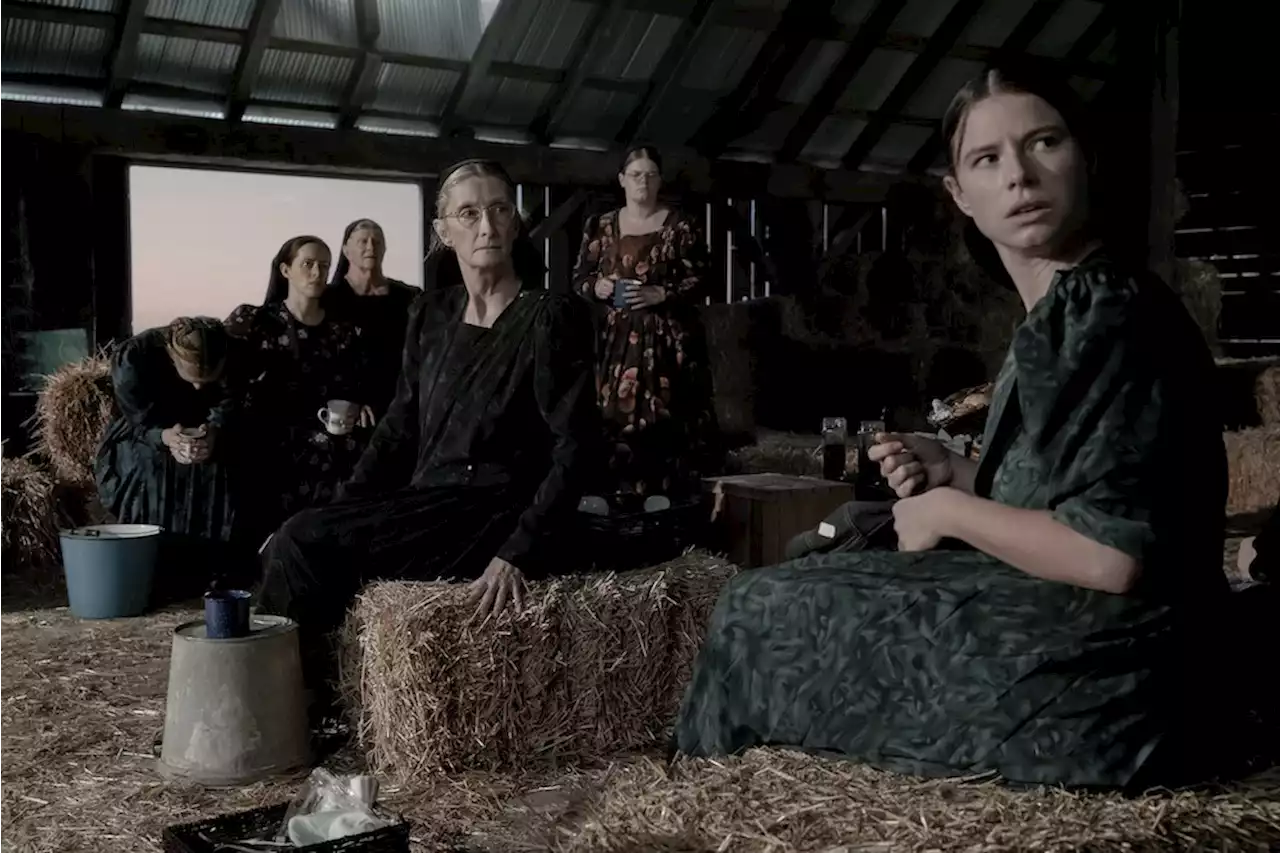 Movie Review: Women TalkingMOVIE REVIEW: Sarah Polley finds stunning drama in one simple night of conversations in a barn.
Read more »
 In 'Women Talking,' survivors must decide: Do nothing, stay and fight, or leave?'Women Talking,' Sarah Polley's adaptation of Miriam Toews' 2018 novel, tells the harrowing story of women in an isolated religious colony who break the silence about abuse at the hands of the colony's men.
Read more »
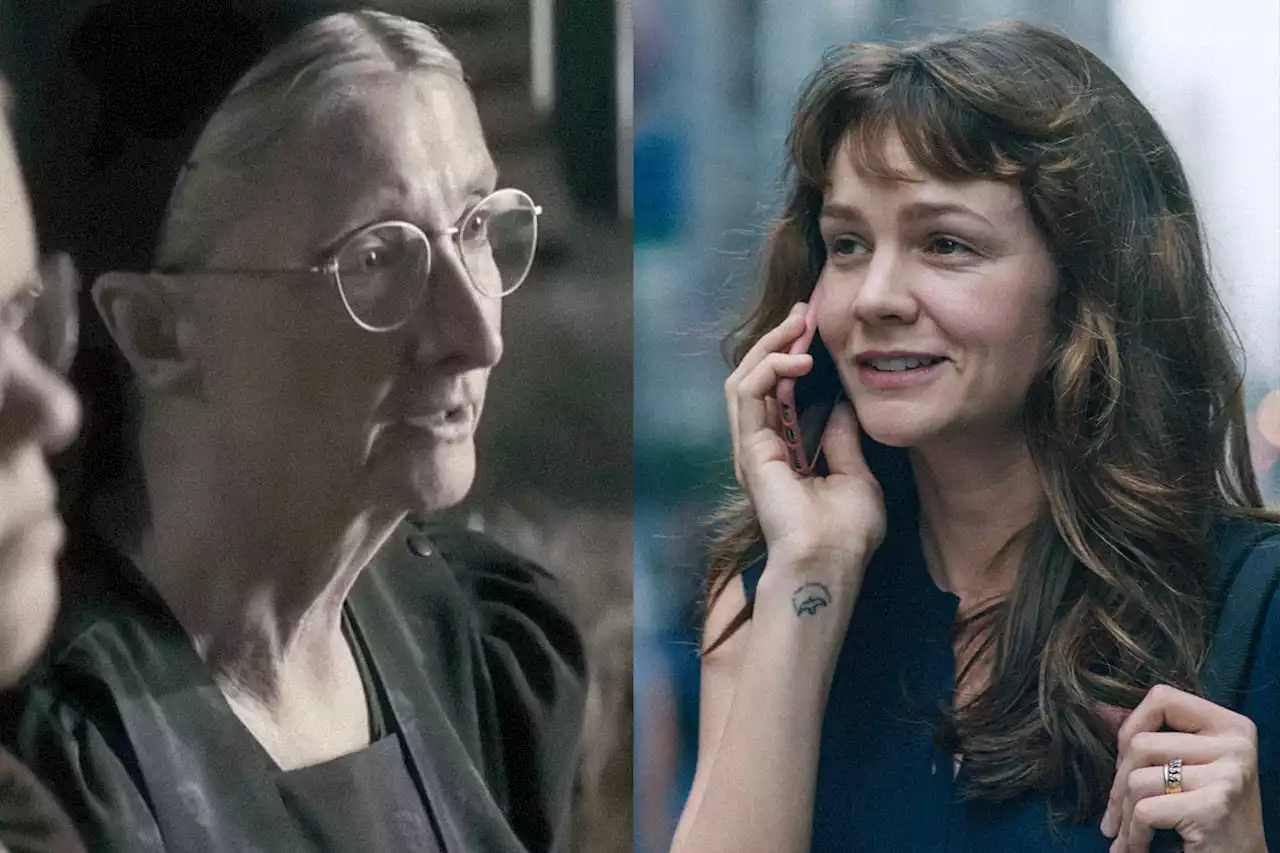 Which Movie Has More Women Talking: Women Talking or She Said?I started with an idle, perhaps silly question. I came to realize that these two movies are really talking to each other.
Read more »
 Assembling a Community of Women TalkingDirector Sarah Polley and producer Dede Gardner on faith and building an ensemble for WOMEN TALKING.
Read more »
 Radical dialogue and open roads in ‘Women Talking’ | amNewYorkWhen Sarah Polley has flown from her home in Toronto to the U.S. this year for the release of her film “Women Talking,” she’s had conversations with customs
Read more »