
Dairy cattle in Nevada have been infected with a new type of bird flu that's different from the version that has spread in U.S. herds since last year,…
At least 67 people in the U.S. have been infected with bird flu, mostly those who work closely with dairy or cattle, according to the U.S. Centers for Disease Control and PreventionThe detection indicates that distinct forms of the virus known as Type A H5N1 have spilled over from wild birds into cattle at least twice.
Experts said it raises new questions about wider spread and the difficulty of controlling infections in animals and the people who work closely with them.“I always thought one bird-to-cow transmission was a very rare event. Seems that may not be the case,” said Richard Webby, an influenza expert at St. Jude Children’s Research Hospital.known as B3.13 was confirmed in March after being introduced to cattle in late 2023, scientists said. It has infected more than 950 herds in 16 states. The new version, known as D1.1, was confirmed in Nevada cattle on Friday, according to USDA. It was detected in milk collected as part of a surveillance program launched in December. “Now we know why it's really important to test and continue testing,” said Angela Rasmussen, a virus expert at the University of Saskatchewan in Canada, who helped identify the first spillover. The D1.1 version of the virus was the type linked to the first U.S. death tied to bird flu and a severe illness in Canada. A person in Louisiana died in January after developing severe respiratory symptoms following contact with wild and backyard birds. In British Columbia, a teen girl was hospitalized for months with a virus traced to poultry. At least 67 people in the U.S. have been infected with bird flu, mostly those who work closely with dairy or cattle, according to the U.S. Centers for Disease Control and Prevention. USDA officials said they would post genetic sequences and other information about the new form of the virus to a public repository later this week. Scientists said that would be key to understanding whether the spillover was a recent event or whether the virus has been circulating, perhaps widely, for longer. “If this turns out to have been something that crossed into cattle a couple months ago, a couple months is a long time not to detect it,” said Michael Worobey, an evolutionary biologist at the University of Arizona who has studied the H5N1 virus in cattle. He added that it's important for federal officials to share promptly information about a virus that has the potential to trigger a pandemic that could “make COVID seem like a walk in the park.” “It's a vital part of national security, global security, the well-being of people, of animals and of businesses in the U.S.,” Worobey added.The Associated Press Health and Science Department receives support from the Howard Hughes Medical Institute’s Science and Educational Media Group and the Robert Wood Johnson Foundation. The AP is solely responsible for all content.
United States Latest News, United States Headlines
Similar News:You can also read news stories similar to this one that we have collected from other news sources.
 Bird Flu Risk From Eggs Low, USDA SaysThe USDA released a risk assessment stating that while bird flu can be contracted from eggs, the risk to Americans is very low. The assessment also highlighted the importance of pasteurization and proper cooking of eggs.
Read more »
 USDA to Purchase Millions in Mississippi Catfish and ShrimpThe U.S. Department of Agriculture (USDA) has agreed to purchase up to $30 million in farm-raised catfish and $25 million in Gulf shrimp from Mississippi. The seafood will be distributed to nutrition assistance programs and charities, aiming to support struggling local producers and provide more protein to those in need.
Read more »
 Walmart Empanadas Could Contain Undeclared Allergen, USDA AlertsThere are two new food recalls because of a possible salmonella contamination. SunFed Produce recalled thousands of fresh cucumbers and Handsome Brook Farms recalled Kirkland brand eggs sold at 25 Costco locations.
Read more »
 USDA Report Blames Boar's Head Sanitation for Listeria OutbreakA new USDA report found that inadequate sanitation practices at a Boar's Head facility in Virginia were responsible for a listeria outbreak. The report details specific sanitation issues found by inspectors and outlines steps both Boar's Head and the FSIS are taking to prevent future outbreaks.
Read more »
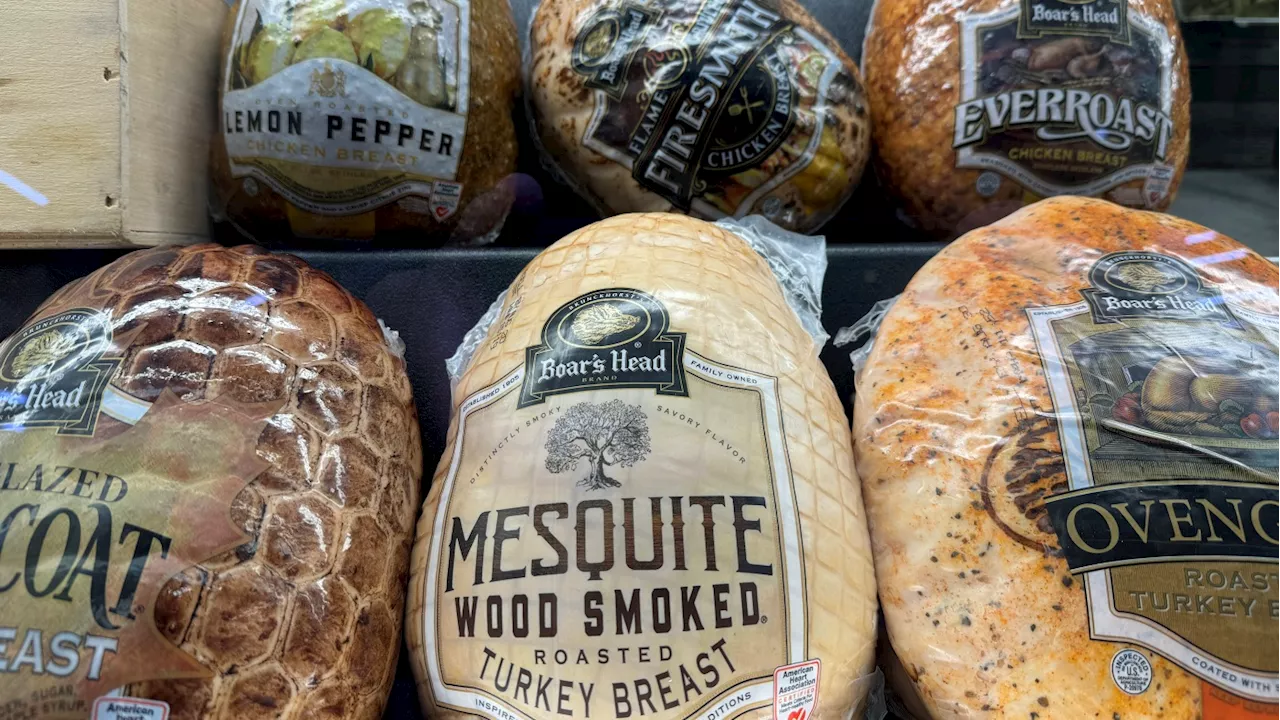 USDA Report Blames 'Inadequate Sanitation' at Boar's Head for Listeria OutbreakA new USDA report attributes a major listeria outbreak linked to Boar's Head meats to 'inadequate sanitation practices' at their Jarratt, Virginia facility. The report details several issues found at the plant, including meat residue, condensation dripping on products, and cracked flooring that could hold moisture. This outbreak, affecting over 19 states, was the largest since 2011. Boar's Head acknowledges the findings and states they are implementing enhanced food safety programs. The report also reviews FSIS procedures and recommends improvements to prevent future listeria outbreaks.
Read more »
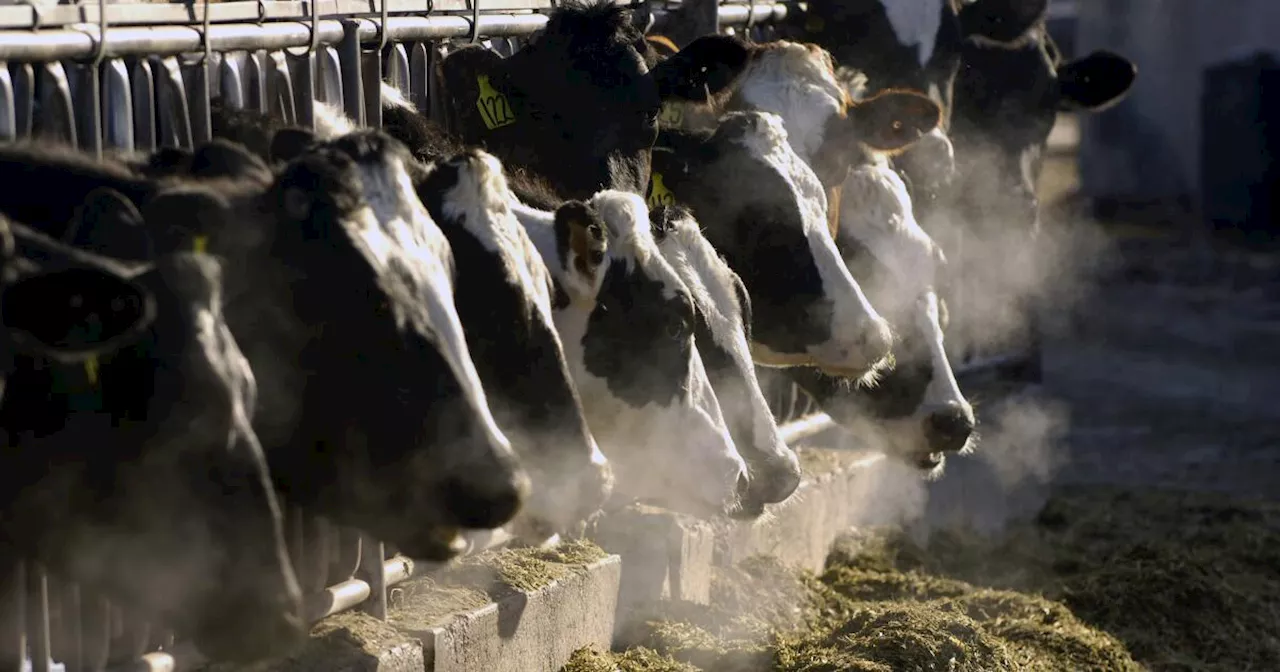 Bird Flu Variant D1.1 Detected in Nevada Dairy HerdsA highly pathogenic bird flu variant, D1.1, previously linked to deaths in humans and widespread bird die-offs, has been found in dairy herds in Nevada. This discovery raises concerns about potential spread within the dairy industry and the possibility of increased spillover events from wild birds to cattle.
Read more »