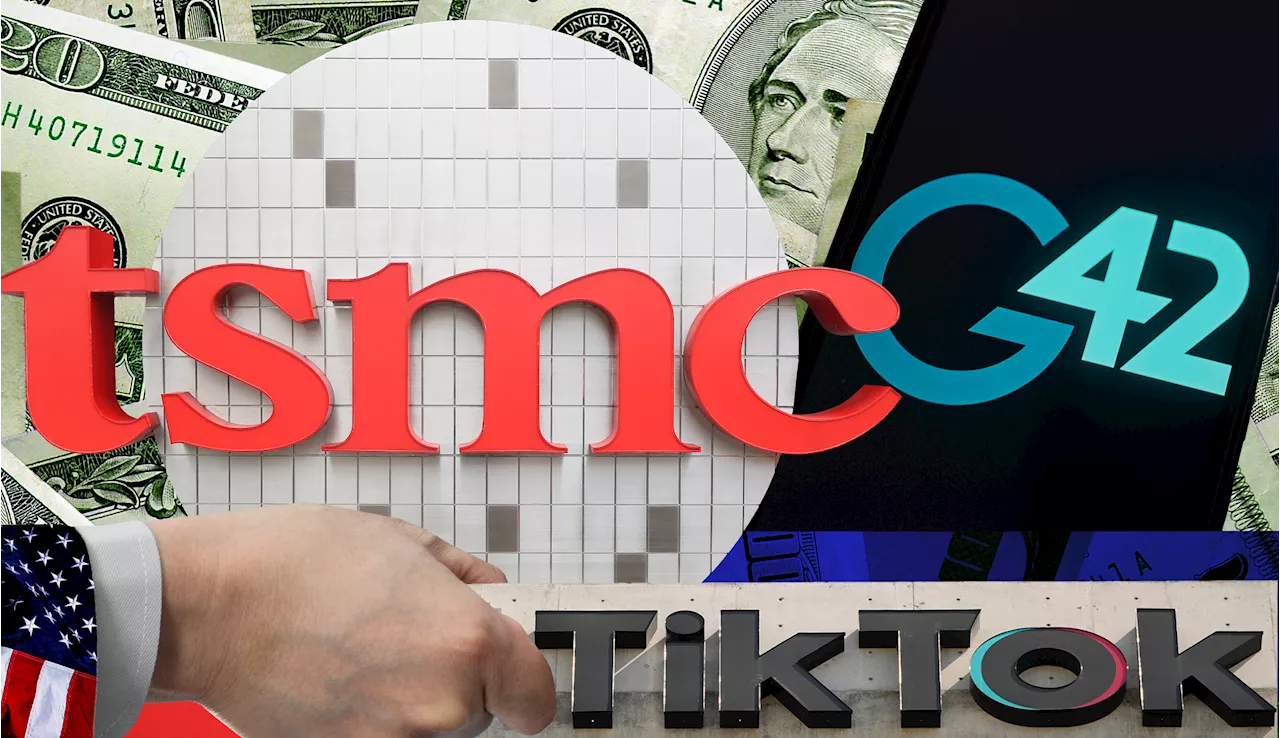
Restricting TikTok is hardly the only effort being made by federal authorities to lessen the influence of foreign threats in sensitive areas of technology.
to sell the social media company so that the communists can’t control impressionistic U.S. teenagers with their propaganda. But it’s hardly the only effort being made by federal authorities to try to lessen the influence of foreign threats in sensitive areas of technology., for example, the U.S. government has worked with Microsoft for the tech giant to buy a minority stake in that country’s dominant artificial intelligence company, G42.
“This monumental and historic federal investment will power and propel Micron to bring its transformative $100+ billion four-fab project in central New York to life, creating an estimated 50,000 jobs,” Schumer said. “AI and cybersecurity are already integral to national defense systems and infrastructure, and governments must ensure that these technologies are secure from foreign interference and manipulation,” said Ted Miracco, CEO of Approov Mobile Security, a cybersecurity company based in Palo Alto, California. “Data and AI are also major drivers of economic growth and competitiveness, and governments recognize the need to foster a strong domestic AI industry and not fall behind on the global stage.
The federal government spends about $100 billion annually on “corporate welfare,” equivalent to $800 a household, according to the Cato Institute. Such subsidies and grants induce recipient companies to become bloated and inefficient, Chris Edwards, Kilts family chairman in fiscal studies at the Cato Institute, told the“The federal government’s role is to track threats, to warn about the Chinese, but not to actively intervene in markets,” he said.
“This growing trend is a more modern take on the tech and arms race the U.S. was dealing with the Soviet Union during the Cold War,” she said. “Unlike the Cold War, however, the U.S. is now dealing with a network of adversaries with far more significant technology capabilities than what it faced at the time.”
United States Latest News, United States Headlines
Similar News:You can also read news stories similar to this one that we have collected from other news sources.
 43 Cool TikTok Products For People Who Aren't On TikTokAll of the perks of this viral 'instant awake' eye brightener and dreamy hair mist, and none of the hassle of watching a zillion TikToks to find it.
Read more »
 TikTok suspends TikTok Lite rewards program in the EU amid regulatory scrutinyTikTok said Wednesday it would suspend a controversial program in the European Union that has prompted growing alarm among EU regulators.
Read more »
 House Passes TikTok Ban Bill: What It Means for TikTok UsersThe House of Representatives passed a foreign aid package that included a TikTok ban if ByteDance doesn't sell its app.
Read more »
 TikTok Notes is basically Instagram for your TikTok accountKarissa is a senior reporter at Engadget, covering Meta, Twitter, TikTok, Snap and all things social media. Her interests include tech policy, internet culture, and all the ways our online activities shape our IRL selves.
Read more »
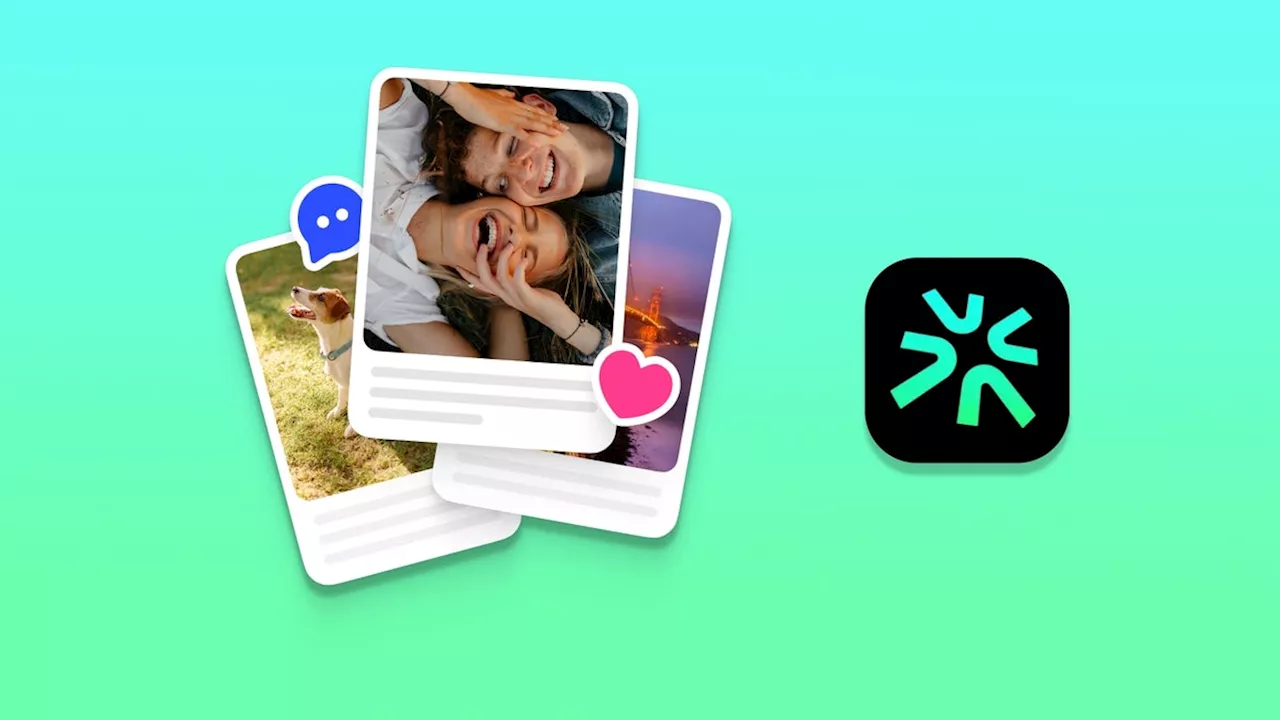 TikTok confirms early beta testing of its photo-sharing app called TikTok NotesJohanna 'Jojo the Techie' is a skilled mobile technology expert with over 15 years of hands-on experience, specializing in the Google ecosystem and Pixel devices. Known for her user-friendly approach, she leverages her vast tech support background to provide accessible and insightful coverage on latest technology trends.
Read more »
 Federal Judge Blocks Florida Law Restricting Transgender Teacher's PronounsChief U.S. District Judge Mark Walker grants a temporary injunction against a law in Florida that violates a transgender teacher's First Amendment rights.
Read more »