
Scientists at DOE's Argonne National Laboratory have overcome a major hurdle in sodium-ion battery development.
This new approach improved the cathode’s performance, allowing it to maintain high energy capacity for more than 400 charge-discharge cycles.Scientists at the US Department of Energy’s Argonne National Laboratory have achieved an important advancement in making sodium-ion batteries more effective.
They have developed a new way to solve a major problem that has stopped these batteries from being used widely – the issue of declining performance due to cracking in the cathode during charge-discharge cycles. This new development could help sodium-ion batteries become a practical substitute for the commonly used lithium-ion batteries. This change is crucial as the world faces increasing issues with the limited supply and rising costs of lithium needed for lithium-ion batteries. “Sodium-ion batteries are emerging as a compelling alternative to lithium-ion batteries due to the greater abundance and lower cost of sodium,” said Gui-Liang Xu, a chemist at the Argonne National Laboratory.The Argonne researchers have worked on improving the cathode, which is a vital part of the battery. They crafted a cathode using a sodium-ion oxide material with a unique metal composition, including nickel, cobalt, and manganese. “Importantly, these metals are not uniformly distributed in individual cathode particles. As an example, nickel appears at the core; surrounding this core are cobalt and manganese, which form a shell,” explained the researchers. “These elements serve different purposes. The manganese-rich surface gives the particle its structural stability during charge-discharge cycling. The nickel-rich core provides high capacity for They structured it with a manganese-rich surface and a nickel-rich core to improve stability and energy output. However, initial tests revealed cracks forming at the core-shell boundary and within the core itself, even at temperatures as low as 250 degrees Celsius. “These cracks appeared at the core and the core-shell boundary and then moved to the surface. Clearly, the metal gradient caused significant strain leading to these cracks,”To understand why these cracks developed, the researchers used advanced X-ray techniques to study the cathode’s structure during its creation. They heated a mix of precursor material and sodium hydroxide, reaching temperatures up to 600 degrees Celsius, to monitor how cracks formed. The research team discovered that the speed at which they heated the cathode during its creation was critical. “Cracks formed at a heat-up rate of five degrees per minute, but not at a slower rate of one degree per minute,” they highlighted. By slowing down this heating process, they could prevent cracks from forming. This simple change significantly improved the cathode’s performance, allowing it to maintain high energy capacity for more than 400 charge-dischargeThis breakthrough paves the way for sodium-ion batteries with not only low cost and long life but also potentially high energy density comparable to lithium-ion batteries. “The prospects seem very good for future sodium-ion batteries with not only low cost and long life, but also energy density comparable to that of the lithium iron phosphate cathode now in many lithium-ion batteries,” said Khalil Amine, an Argonne Distinguished Fellow. While further research is underway to optimize the cathode composition and eliminate the use of nickel, the prospects for sodium-ion batteries look brighter than ever.An active and versatile journalist and news editor. He has covered regular and breaking news for several leading publications and news media, including The Hindu, Economic Times, Tomorrow Makers, and many more. Aman holds expertise in politics, travel, and tech news, especially in AI, advanced algorithms, and blockchain, with a strong curiosity about all things that fall under science and tech.
Cathode Energy &Amp Environment
United States Latest News, United States Headlines
Similar News:You can also read news stories similar to this one that we have collected from other news sources.
 Road-legal Venturi 400 Trophy for saleConverted race cars are always cool; converted Venturi race cars are off the scale...
Read more »
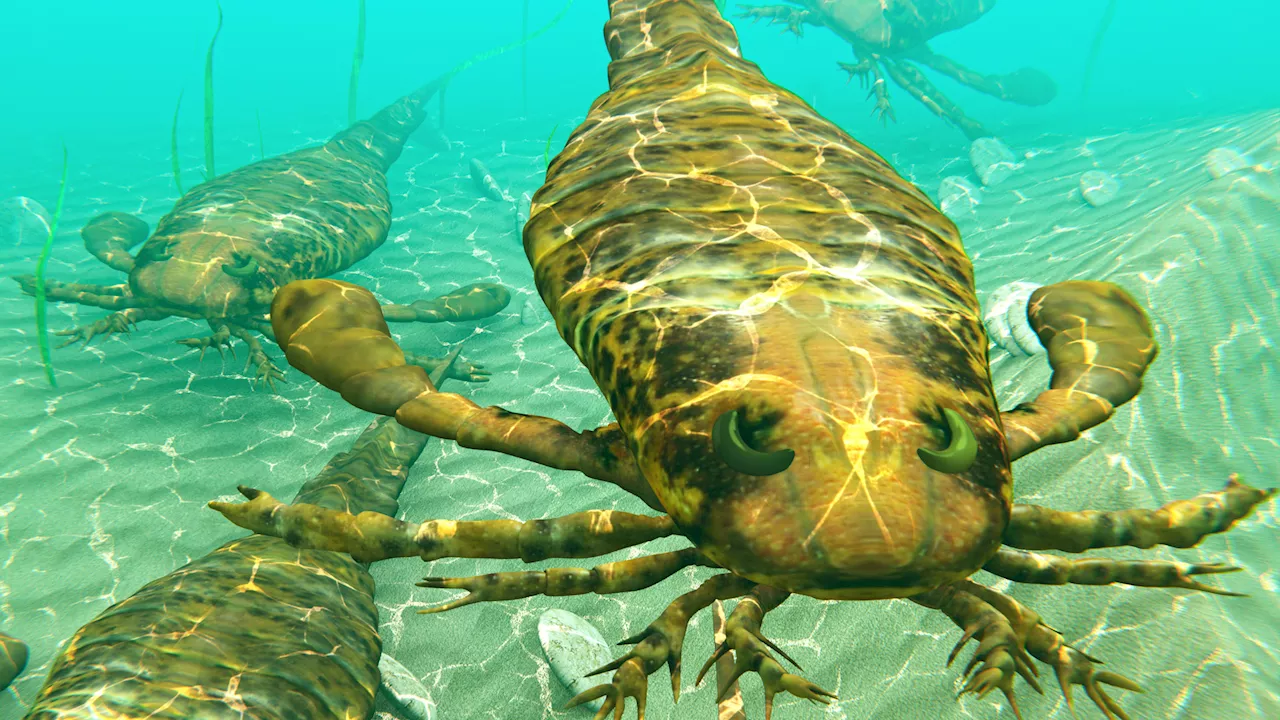 8-foot giant scorpions dwarfing humans ruled seas 400 million years agoOnce upon a time, ginormous sea scorpions ruled the oceans, and a fossil found in Australia might tell us why they disappeared.
Read more »
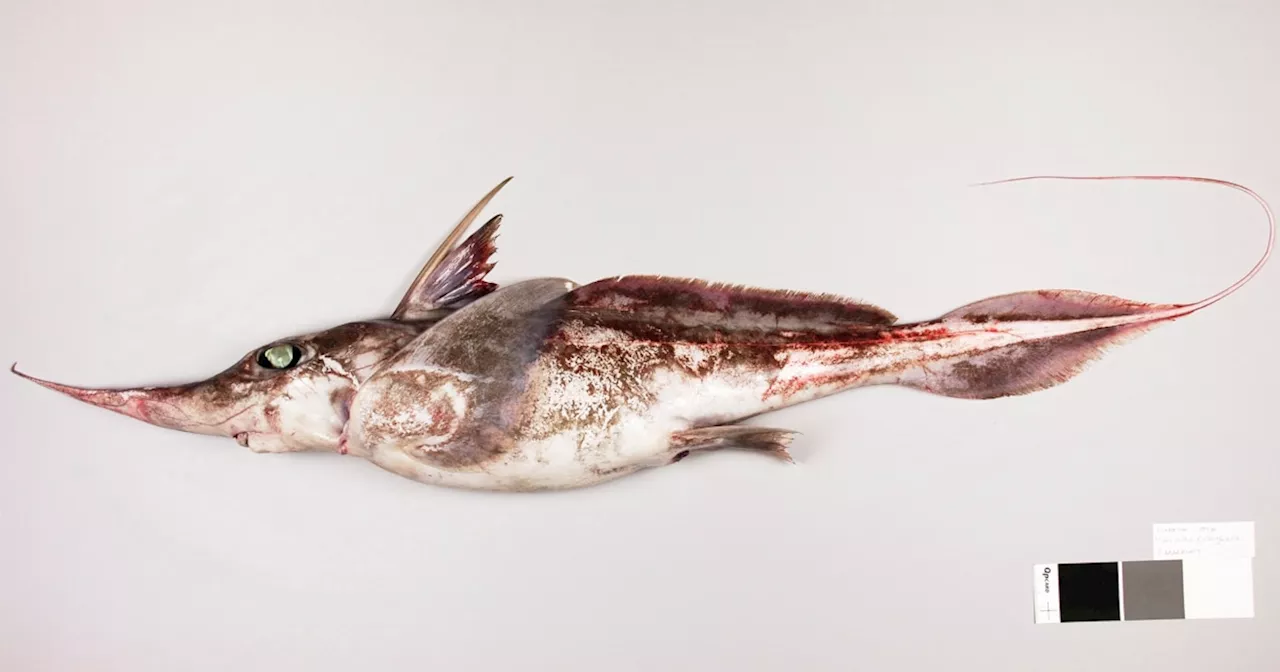 Spookfish: Scientists in New Zealand discover new ghost shark species in the PacificPeter Guo is a fellow on NBC’s Asia Desk, based in Hong Kong.
Read more »
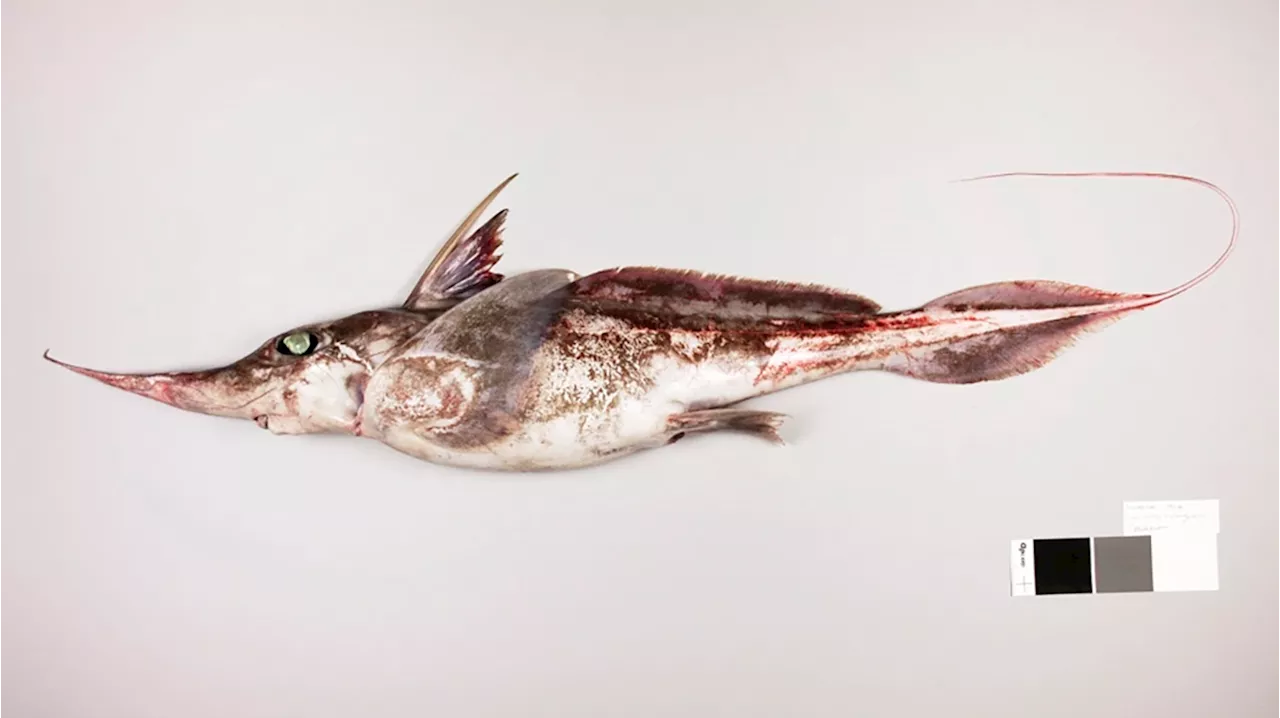 New Zealand scientists discover new ‘spookfish' living deep in the PacificScientists said Tuesday they had discovered a new species of ghost shark that lives exclusively in the waters off Australia and New Zealand.
Read more »
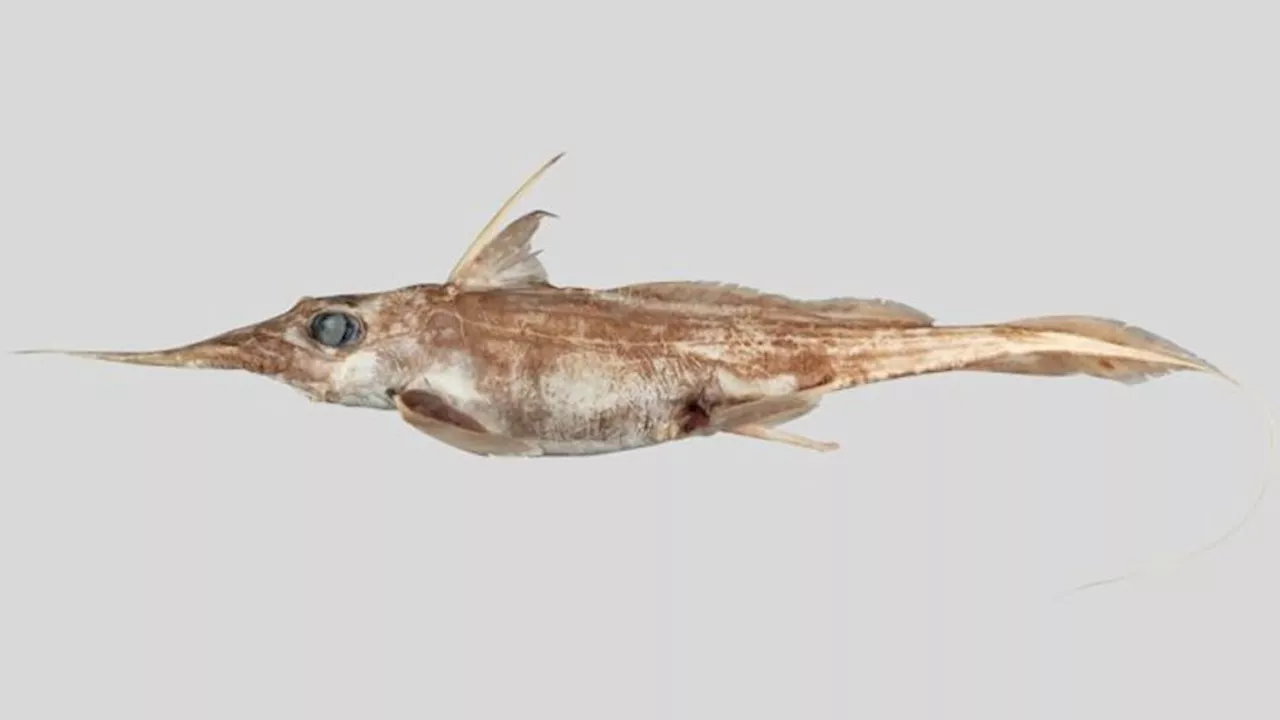 New species of ghost shark discovered by New Zealand scientistsScientists have discovered a new species of ghost shark that lives in deep ocean waters near Australia and New Zealand.
Read more »
 New York man falls 400 feet to his death from Colorado mountain trailA 53-year-old man from New York died Wednesday in San Miguel County after falling hundreds of feet while hiking Wilson Peak, sheriff’s officials said.
Read more »